The surprising solution to ocean plastic
by David Katz · innovative solutions to combat plastic pollution in our oceans
- plastic
- ocean
- recycling
- economy
- environment
The Surprising Solution to Ocean Plastic
Introduction to the Plastic Pollution Crisis
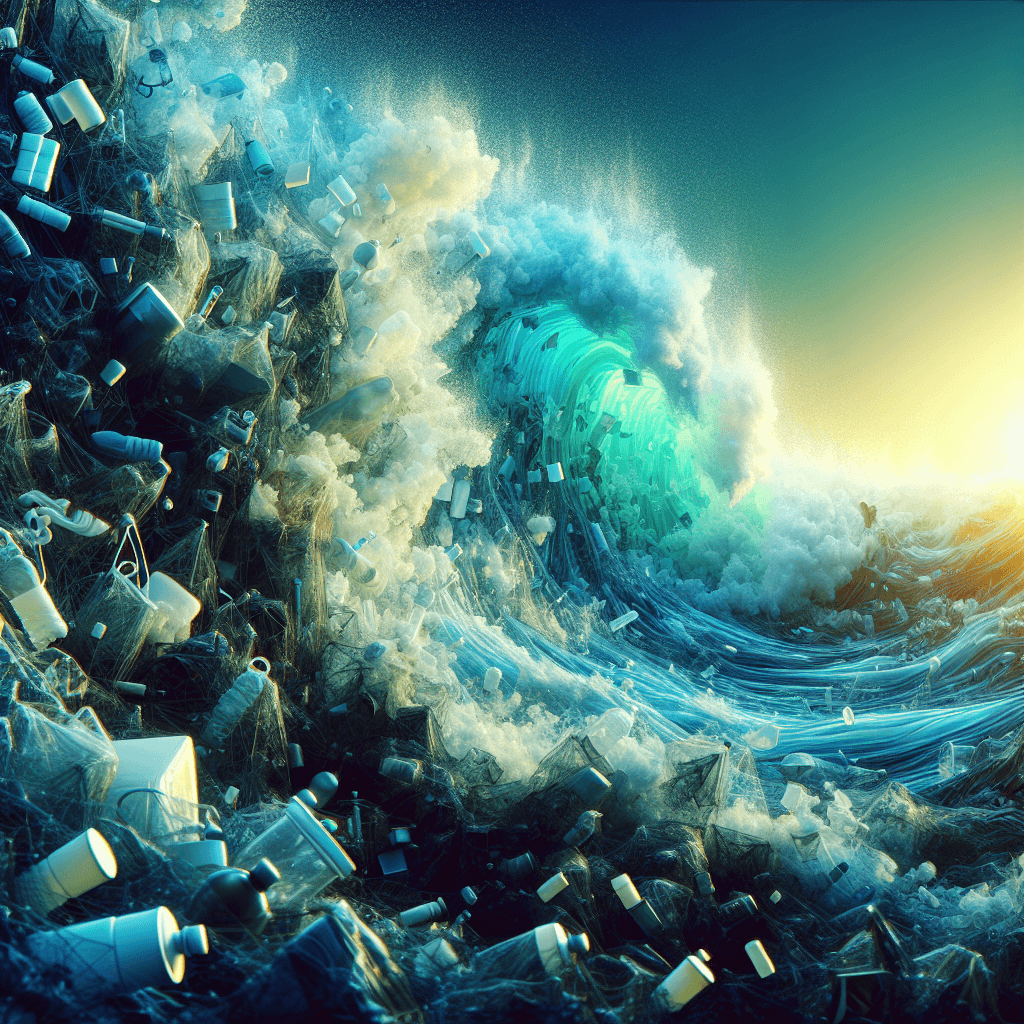
Our oceans are drowning in plastic. Every year, millions of tons of plastic waste enter marine environments, harming wildlife, ecosystems, and even human health. From microplastics in seafood to massive garbage patches, the problem seems overwhelming. But what if the most effective solution isn't what you think? This essay explores innovative approaches to combat ocean plastic, focusing on a surprising yet practical strategy that could change everything.
Understanding the Source of Ocean Plastic
Contrary to popular belief, most ocean plastic doesn't come from litter thrown directly into the sea. Instead, it's transported via rivers, urban runoff, and poor waste management on land.
- Rivers as Culprits: Studies show that 10 rivers worldwide account for 90% of the plastic entering oceans.
- Microplastics from Everyday Items: Washing synthetic clothes releases tiny fibers that flow into waterways.
- Global Waste Mismanagement: In many regions, inadequate recycling and disposal systems exacerbate the issue.
Addressing the problem at its source—on land—proves more effective than cleaning up the oceans after the fact.
Innovative Cleanup Technologies
While prevention is key, technology plays a vital role in removing existing plastic. Projects like The Ocean Cleanup use floating barriers to collect debris in gyres.
However, these are resource-intensive. Enter bio-inspired innovations:
- Drone and AI Systems: Autonomous drones scan and collect surface plastic using machine learning.
- Biodegradable Nets: Made from natural materials, these capture waste without adding to pollution.
These tools are promising, but they're not the surprising solution we're building toward.
The Surprising Solution: Fungi and Microbial Breakdown
Here's the twist: nature might hold the key through plastic-eating fungi and bacteria. Discovered in landfills and oceans, certain microbes can degrade plastics that were once thought indestructible.
How It Works
- Enzyme Power: Fungi like Aspergillus tubingensis produce enzymes that break down polyethylene terephthalate (PET) in weeks, not centuries.
- Bacterial Allies: Strains of Ideonella sakaiensis feast on plastic, converting it into harmless byproducts.
Real-World Applications
Scientists are engineering these microbes for large-scale use:
- Bioreactors: Facilities where fungi process collected plastic waste.
- Ocean Deployment: Genetically modified organisms released in controlled areas to target floating debris.
- Everyday Products: Incorporating these microbes into packaging that self-degrades if discarded.
This biological approach is surprising because it turns waste into a resource, mimicking nature's recycling processes.
Policy and Behavioral Changes
Technology alone isn't enough. Innovative policies are crucial:
- Extended Producer Responsibility: Companies must manage their products' end-of-life, incentivizing less plastic use.
- Global Bans and Taxes: Phasing out single-use plastics and taxing non-recyclables.
- Education Campaigns: Raising awareness to change consumer habits, like using reusable items.
Combining these with microbial solutions creates a holistic strategy.
Challenges and Future Outlook
Despite promise, challenges remain:
- Scalability: Ensuring microbes work efficiently in diverse ocean conditions.
- Environmental Risks: Preventing unintended ecological impacts from engineered organisms.
- Funding and Collaboration: Need for international cooperation to implement solutions.
Looking ahead, integrating fungi-based tech with prevention could reduce ocean plastic by 80% by 2040, according to experts.
Conclusion
The surprising solution to ocean plastic isn't a massive cleanup fleet or strict bans alone—it's harnessing nature's own decomposers. By focusing on microbial innovation alongside land-based prevention, we can turn the tide. It's time to invest in these solutions for cleaner oceans and a healthier planet.