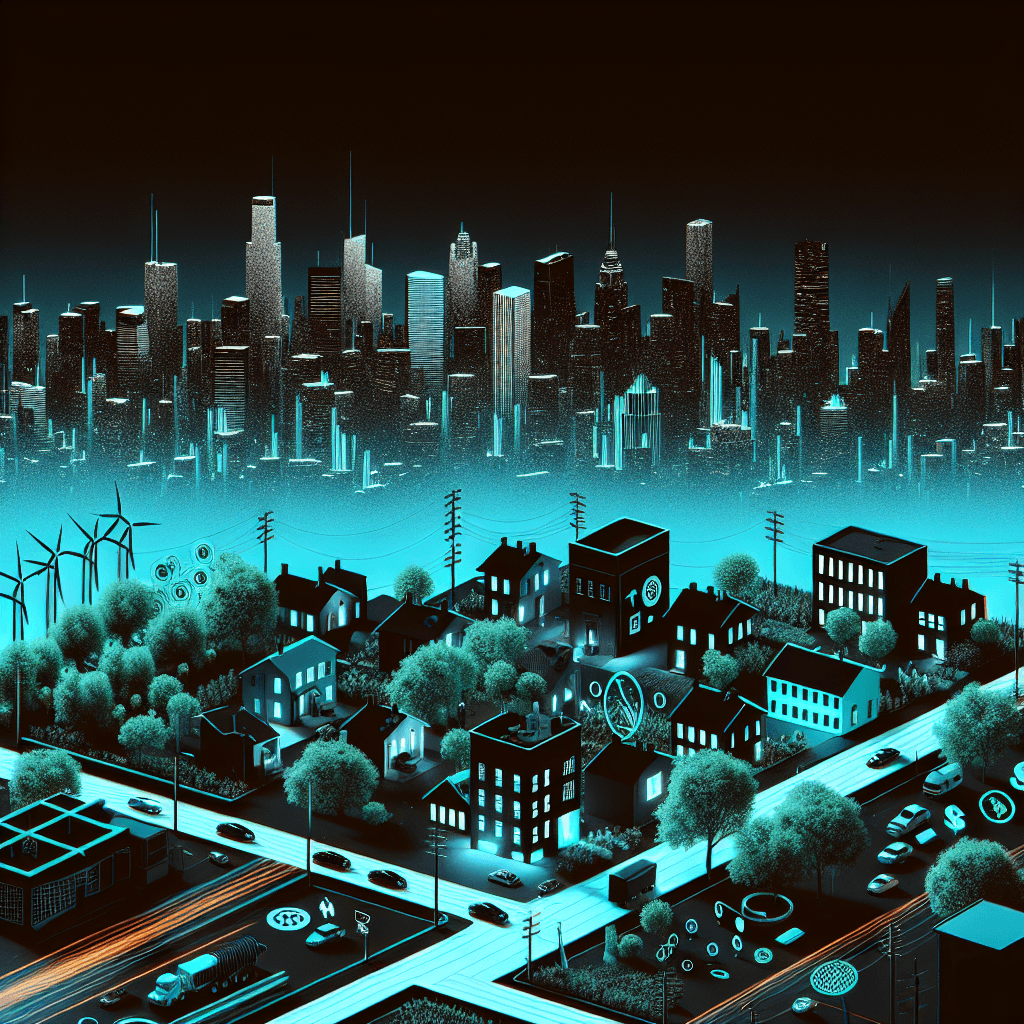
Greening the Ghetto: The Hidden Power of Urban Forests in Combating Climate Change
Introduction
In the heart of bustling cities, where concrete jungles dominate the landscape, urban forests emerge as unsung heroes in the fight against climate change. The trending topic of "The Hidden Power of Urban Forests: Combating Climate Change in Cities" highlights how greening initiatives can transform neglected urban areas, often referred to as "ghettos," into vibrant, sustainable communities. This essay explores the multifaceted benefits of urban forests, focusing on their role in climate resilience, social equity, and environmental health.
"Greening the ghetto" isn't just a catchy phrase—it's a call to action for revitalizing low-income neighborhoods through strategic tree planting and green space development. By integrating nature into urban environments, we can address climate challenges while uplifting marginalized communities.
The Climate Crisis in Urban Settings
Cities are hotspots for climate change impacts, experiencing higher temperatures, air pollution, and extreme weather events. Urban heat islands, where concrete and asphalt trap heat, exacerbate these issues, particularly in densely populated, low-income areas with limited greenery.
Urban forests—networks of trees, parks, and green corridors—act as natural buffers against these threats. They provide shade, reduce energy consumption for cooling, and improve air quality by absorbing pollutants like carbon dioxide and particulate matter.
Key Climate Benefits
- Carbon Sequestration: Trees absorb CO2, helping mitigate greenhouse gas emissions. A single mature tree can sequester up to 48 pounds of carbon annually.
- Temperature Regulation: Urban forests can lower local temperatures by 2-8°C through evapotranspiration and shading, combating urban heat islands.
- Stormwater Management: Roots and soil in green spaces absorb rainfall, reducing flooding risks in cities prone to heavy storms.
Social and Economic Impacts in Underserved Communities
In many cities, "ghettos" or low-income neighborhoods suffer from environmental injustice, with fewer trees and parks compared to affluent areas. This disparity leads to higher health risks, such as respiratory issues and heat-related illnesses.
Greening these areas promotes equity by enhancing mental health, fostering community cohesion, and boosting property values. Initiatives like community-led tree-planting programs empower residents and create green jobs in landscaping and maintenance.
Case Studies of Success
- New York City's MillionTreesNYC: This program planted over a million trees, focusing on underserved boroughs, resulting in improved air quality and community engagement.
- Philadelphia's Green City, Clean Waters: By integrating urban forests with stormwater infrastructure, the city reduced flooding and enhanced biodiversity in low-income districts.
- Detroit's Urban Forestry Efforts: Transforming vacant lots into community forests has revitalized blighted areas, providing fresh produce and recreational spaces.
Challenges and Solutions
Implementing urban forests in cities isn't without hurdles. Space constraints, funding shortages, and maintenance issues can impede progress, especially in densely built ghettos.
Solutions include innovative approaches like vertical gardens, rooftop forests, and partnerships between governments, NGOs, and local communities. Policy support, such as tax incentives for green developments, can accelerate these efforts.
Strategies for Effective Implementation
- Community Involvement: Engage residents in planning and upkeep to ensure long-term success and cultural relevance.
- Diverse Species Selection: Choose native, resilient trees that thrive in urban conditions and support local wildlife.
- Monitoring and Adaptation: Use data analytics to track forest health and adjust strategies based on climate trends.
The Broader Environmental Picture
Beyond immediate benefits, urban forests contribute to global biodiversity by creating habitats for birds, insects, and other species in otherwise barren cityscapes. They also enhance urban resilience against climate extremes, such as droughts and heatwaves.
By prioritizing greening in ghettos, cities can model sustainable development that balances human needs with ecological preservation. This approach aligns with international goals like the UN's Sustainable Development Goals, particularly those focused on climate action and reduced inequalities.
Conclusion
The hidden power of urban forests lies in their ability to transform concrete-laden cities into livable, resilient havens. "Greening the ghetto" symbolizes a movement toward environmental justice, where every neighborhood, regardless of socioeconomic status, benefits from nature's gifts.
As climate change intensifies, investing in urban forests isn't optional—it's essential. By embracing this strategy, we can combat global warming while building healthier, more equitable cities for all.