The surprising solution to ocean plastic
by David Katz · ocean plastics: turning trash into treasure for a sustainable future
- plastic
- ocean
- recycling
- economy
- environment
The Surprising Solution to Ocean Plastic
Introduction
Ocean plastic pollution is one of the most pressing environmental challenges of our time. Every year, millions of tons of plastic waste enter our oceans, harming marine life, ecosystems, and even human health. But what if this trash could be transformed into treasure? In this essay, we explore the trending topic of turning ocean plastics into valuable resources, highlighting innovative solutions that promise a sustainable future.
The talk title, "The Surprising Solution to Ocean Plastic," points to groundbreaking approaches that go beyond traditional recycling. These methods not only clean up our oceans but also create economic opportunities and promote circular economies.
The Ocean Plastic Crisis
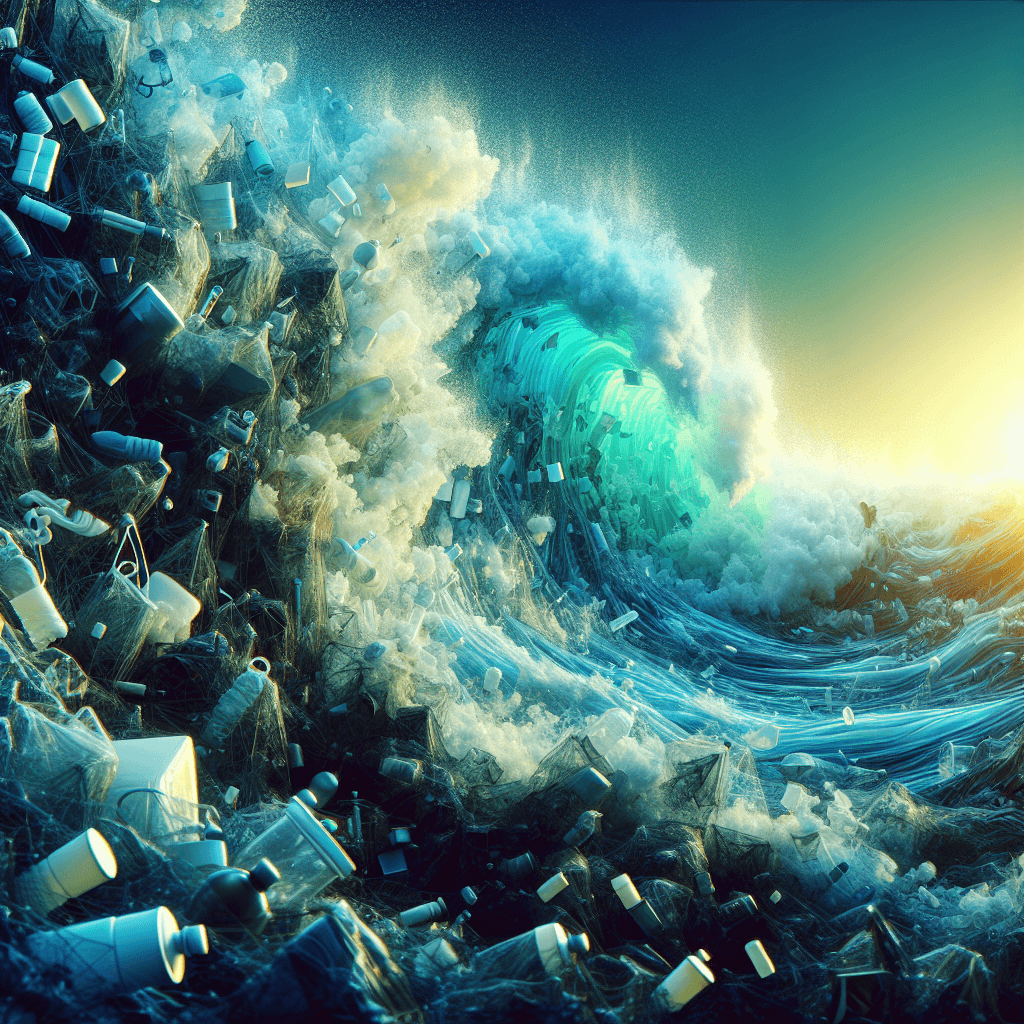
Plastics have infiltrated every corner of our oceans, from the deepest trenches to remote beaches. According to estimates, over 14 million tons of plastic enter the oceans annually, with projections suggesting that by 2050, plastic could outweigh fish in the sea.
This pollution affects wildlife profoundly:
- Marine animals ingest plastics, leading to starvation and death.
- Microplastics enter the food chain, potentially impacting human health.
- Ghost nets and debris entangle sea creatures, disrupting ecosystems.
The crisis stems from poor waste management, single-use plastics, and global consumption patterns. Addressing it requires more than just cleanup— it demands innovative repurposing.
The Surprising Solution: Turning Trash into Treasure
The surprising solution lies in advanced recycling and upcycling technologies that convert ocean plastics into high-value products. Rather than viewing plastic waste as a problem, innovators see it as a resource. This approach, often called "plastic-to-product" innovation, is gaining traction worldwide.
One key method is chemical recycling, which breaks down plastics into their molecular components for reuse in new materials. Unlike mechanical recycling, this process handles contaminated or mixed plastics effectively.
Another innovation is ocean-bound plastic collection, where waste is intercepted before it reaches the sea and transformed into consumer goods.
Real-World Examples and Initiatives
Several organizations and companies are leading the charge:
- The Ocean Cleanup Project: Deploys floating barriers to collect plastic from ocean gyres, then recycles it into products like sunglasses and phone cases.
- Adidas and Parley for the Oceans: Collaborates to create sneakers from recycled ocean plastic, turning over 1 million tons of waste into footwear.
- Plastic Bank: Operates in developing countries, paying locals to collect plastic, which is then upcycled into goods, reducing poverty and pollution.
These initiatives demonstrate how ocean plastics can become:
- Fashion items (e.g., clothing and accessories).
- Building materials (e.g., bricks and roads).
- Packaging for sustainable brands.
Benefits of This Approach
Transforming ocean plastics offers multifaceted advantages:
Environmental Benefits:
- Reduces ocean pollution and protects biodiversity.
- Lowers the demand for virgin plastic production, cutting greenhouse gas emissions.
Economic Benefits:
- Creates jobs in collection, processing, and manufacturing.
- Generates revenue from selling upcycled products, fostering a circular economy.
Social Benefits:
- Empowers communities in waste-prone areas through incentives and education.
- Raises awareness about sustainability, encouraging global behavioral change.
By turning trash into treasure, we're not just cleaning oceans—we're building a resilient, sustainable future.
Challenges and the Path Forward
Despite the promise, challenges remain. Collecting ocean plastic is logistically difficult and costly, and not all plastics are recyclable. Scalability is another hurdle, as current efforts address only a fraction of the waste.
To overcome these:
- Governments should invest in infrastructure and incentives for recycling.
- Businesses must commit to using recycled materials in their supply chains.
- Consumers can support by choosing products made from ocean plastics.
Looking ahead, emerging technologies like AI-driven sorting and biodegradable alternatives could enhance these solutions. The surprising truth is that ocean plastic isn't just a problem—it's an opportunity for innovation and sustainability.
Conclusion
The journey from ocean trash to valuable treasure represents a paradigm shift in how we handle waste. By embracing these surprising solutions, we can mitigate the plastic crisis and pave the way for a healthier planet. It's time to act—our oceans, and future generations, depend on it.