Toward a new understanding of mental illness
by Thomas Insel · the mental health revolution: ai and personalized care
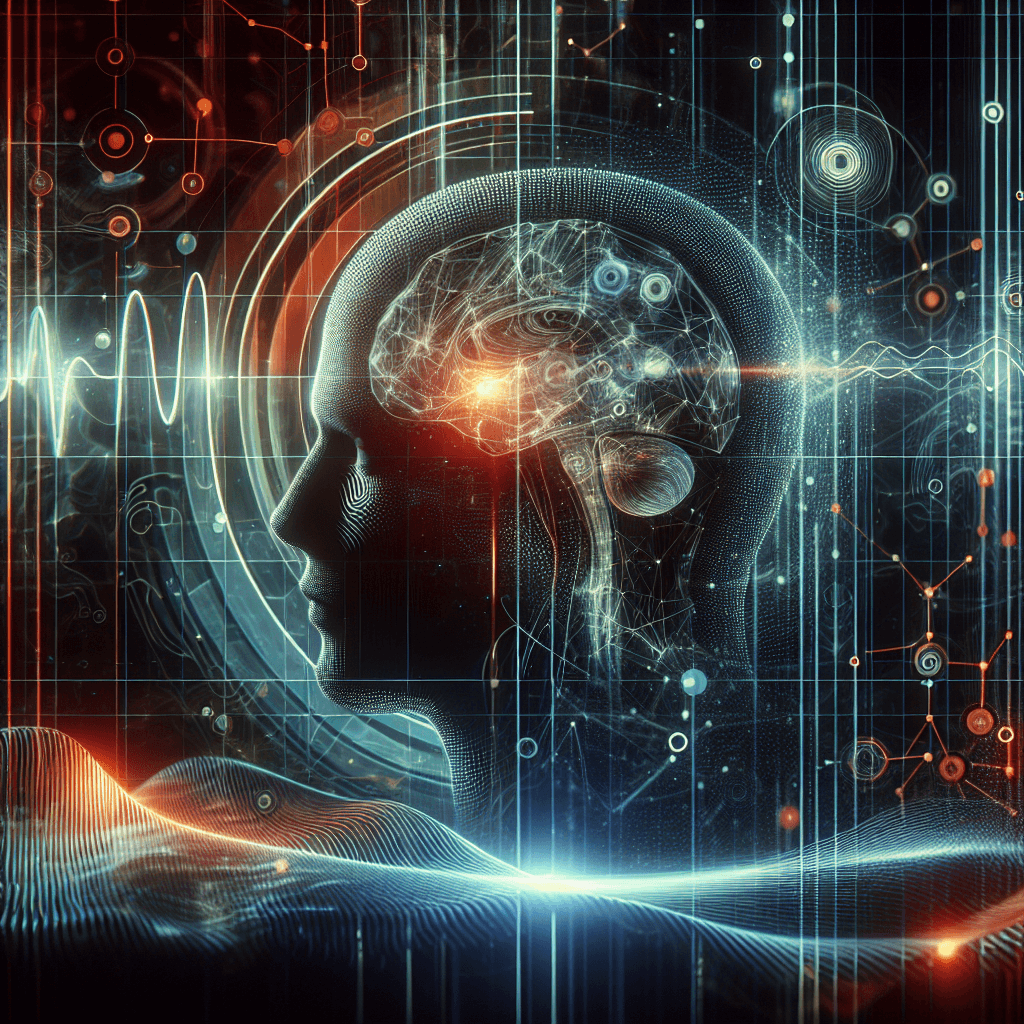
- mental health
- brain science
- technology
Toward a New Understanding of Mental Illness
Introduction
In the midst of the Mental Health Revolution, where AI is transforming personalized care, a new understanding of mental illness is emerging. This shift moves beyond traditional diagnostic labels, embracing a more holistic, data-driven approach. By integrating technology with human empathy, we're redefining how we perceive, diagnose, and treat mental health conditions.
This essay explores how AI and personalized care are paving the way for this revolution, highlighting key advancements, benefits, and challenges.
The Traditional View of Mental Illness
Historically, mental illness has been viewed through a categorical lens, relying on symptom-based diagnoses like depression or anxiety disorders. These classifications, while useful, often overlook individual nuances.
Shortcomings include:
- Overgeneralization: Treating similar symptoms the same, regardless of personal context.
- Stigma: Labels that can perpetuate misunderstanding and discrimination.
- Limited Treatment Efficacy: One-size-fits-all therapies that don't address root causes.
This rigid framework has left many patients feeling unseen and underserved.
The Role of AI in Revolutionizing Mental Health
AI is at the forefront of the mental health revolution, offering tools for deeper insights and personalized interventions. By analyzing vast datasets, AI uncovers patterns that humans might miss.
Key applications include:
- Predictive Analytics: Algorithms that forecast mental health crises by monitoring behavioral data from wearables or apps.
- Chatbots and Virtual Therapists: AI-driven companions providing immediate support, reducing wait times for professional help.
- Genomic and Biomarker Analysis: Identifying biological underpinnings of mental illness for targeted treatments.
These innovations foster a new understanding, viewing mental illness as a spectrum influenced by genetics, environment, and lifestyle.
Personalized Care: Tailoring Treatment to the Individual
Personalized care leverages AI to customize mental health strategies, moving away from generic prescriptions.
Benefits of this approach:
- Precision Medicine: Treatments based on an individual's unique profile, such as combining therapy with specific medications.
- Real-Time Monitoring: Apps that track mood and suggest interventions, empowering users in their own care.
- Accessibility: Bridging gaps in underserved areas through telehealth and AI-assisted diagnostics.
For instance, AI can analyze speech patterns to detect early signs of conditions like bipolar disorder, enabling proactive care.
Challenges and Ethical Considerations
While promising, this revolution isn't without hurdles. Ethical concerns must be addressed to ensure equitable and safe implementation.
Major challenges include:
- Data Privacy: Protecting sensitive mental health information from breaches or misuse.
- Bias in AI: Ensuring algorithms are trained on diverse datasets to avoid perpetuating inequalities.
- Over-Reliance on Technology: Balancing AI with human interaction to maintain therapeutic relationships.
Addressing these will be crucial for sustainable progress.
The Future Outlook
Toward a new understanding of mental illness, the integration of AI and personalized care promises a more compassionate, effective system. We're shifting from illness-focused models to wellness-oriented ones, emphasizing prevention and resilience.
As this revolution unfolds, collaboration between technologists, clinicians, and patients will be key. Ultimately, this could lead to a world where mental health is destigmatized, accessible, and truly personalized.
In summary, the Mental Health Revolution is not just about technology—it's about rehumanizing care in an increasingly digital age.