Greening the ghetto
by Majora Carter · urban green spaces: revolutionizing city life for a healthier planet
- environment
- urban planning
- equality
- activism
Greening the Ghetto: Revolutionizing Urban Life Through Green Spaces
Introduction
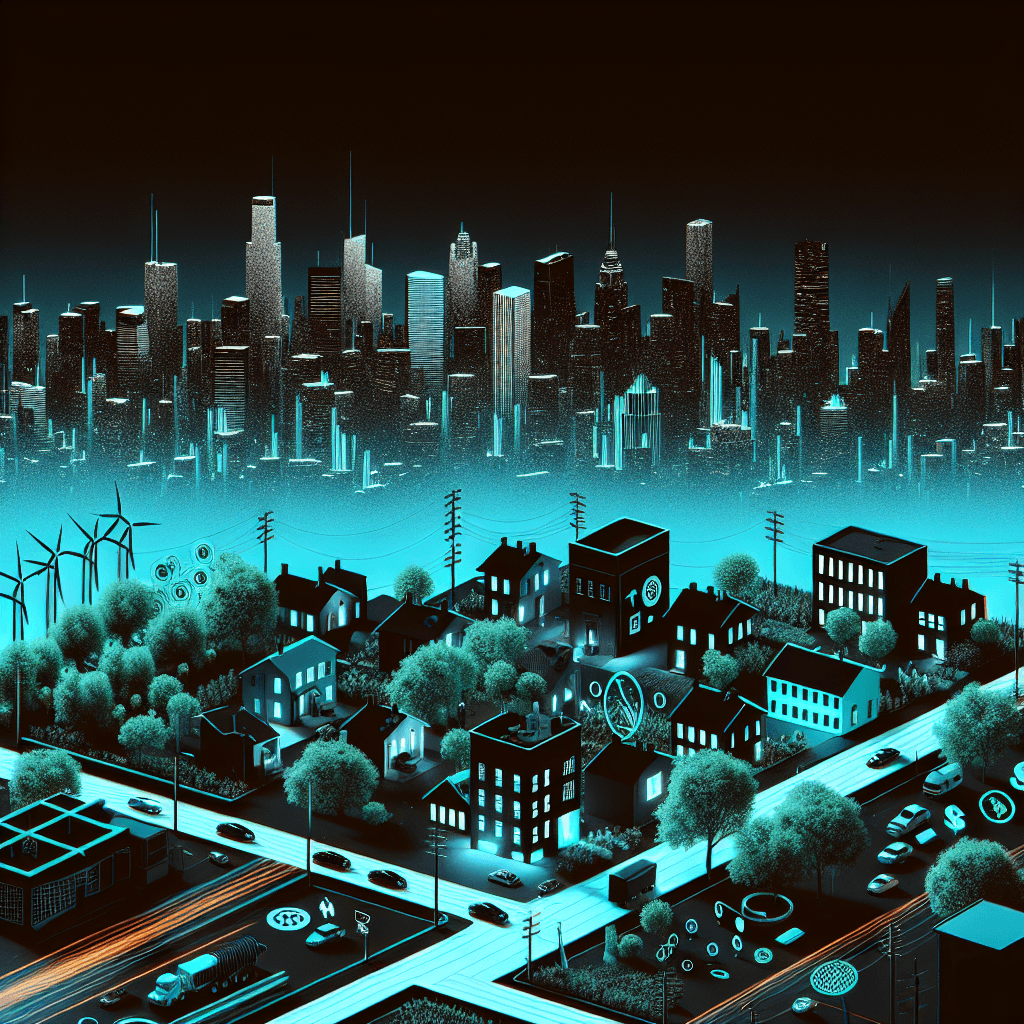
In the heart of bustling cities, where concrete jungles dominate the landscape, a quiet revolution is underway. "Greening the ghetto" isn't just a catchy phrase—it's a movement to transform neglected urban areas into vibrant, sustainable havens. This talk explores how urban green spaces are revolutionizing city life, promoting health, equity, and a healthier planet. By integrating nature into low-income neighborhoods often referred to as "ghettos," we can address environmental injustices and foster community resilience.
The Power of Urban Green Spaces
Urban green spaces include parks, community gardens, green roofs, and tree-lined streets. These areas provide essential ecosystem services in densely populated cities.
- Environmental Benefits: They improve air quality by absorbing pollutants, mitigate urban heat islands, and support biodiversity.
- Health Advantages: Access to green spaces encourages physical activity, reduces stress, and lowers the risk of chronic diseases like obesity and mental health disorders.
- Social Impacts: They serve as communal gathering spots, fostering social cohesion and reducing crime rates through increased community engagement.
In underserved areas, these spaces are often scarce, exacerbating inequalities. Greening initiatives aim to bridge this gap.
Challenges in Urban Ghettos
Low-income urban neighborhoods face unique barriers to green space development. These "ghettos"—a term historically linked to segregation and poverty—often lack investment and infrastructure.
Key challenges include:
- Limited Funding: Municipal budgets prioritize other needs, leaving green projects underfunded.
- Space Constraints: High-density housing and industrial zones limit available land for parks.
- Environmental Injustice: These areas are disproportionately affected by pollution, making greening efforts crucial yet complex.
Despite these hurdles, innovative solutions are emerging to green these spaces effectively.
Successful Case Studies
Around the world, cities are proving that greening the ghetto is possible and transformative.
- New York City's High Line: Transformed an abandoned rail line into an elevated park, revitalizing surrounding low-income areas and boosting local economies.
- Detroit's Urban Farms: Community-led initiatives have converted vacant lots into productive gardens, providing fresh produce and job opportunities in economically depressed neighborhoods.
- Singapore's Garden City Model: Integrates vertical gardens and rooftop farms, inspiring dense urban areas to incorporate greenery despite space limitations.
These examples show how targeted investments can yield long-term benefits for residents and the environment.
Strategies for Implementation
To green the ghetto successfully, a multi-faceted approach is essential.
- Community Involvement: Engage local residents in planning and maintenance to ensure projects meet community needs and foster ownership.
- Policy Support: Advocate for policies that allocate funds for green infrastructure in underserved areas, including tax incentives for developers.
- Innovative Design: Use adaptive reuse of spaces, like turning parking lots into pocket parks or installing green walls on buildings.
- Sustainability Focus: Incorporate native plants and water-efficient designs to minimize maintenance costs and environmental impact.
By prioritizing equity, these strategies can make green spaces accessible to all urban dwellers.
The Broader Impact on City Life and the Planet
Greening urban ghettos doesn't just beautify neighborhoods—it revolutionizes city life on a global scale.
It contributes to climate resilience by reducing carbon emissions and enhancing urban biodiversity. Healthier residents mean lower healthcare costs and more productive communities. Ultimately, this movement supports a healthier planet by promoting sustainable urban development amid rapid urbanization.
Conclusion
"Greening the ghetto" is more than an initiative; it's a call to action for equitable, sustainable cities. By revolutionizing urban spaces with greenery, we can create healthier, more inclusive environments that benefit people and the planet. Let's commit to this transformation—starting in the areas that need it most.
Join the conversation: How can your city green its underserved neighborhoods?