A handful of tech companies control billions of minds every day
by Tristan Harris · the impact of ai on global elections
- technology
- social media
- attention economy
- ethics
A Handful of Tech Companies Control Billions of Minds Every Day
Introduction
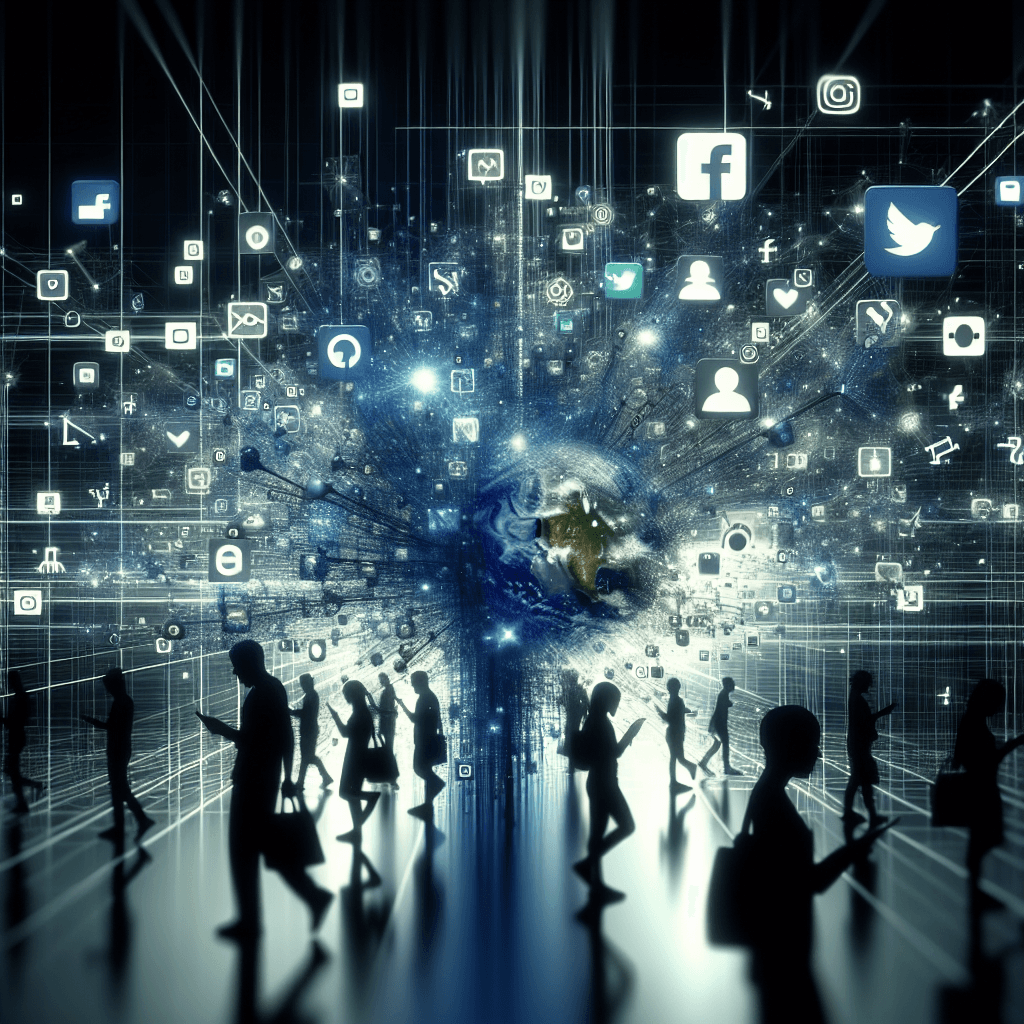
In an era where artificial intelligence (AI) shapes our daily lives, its influence on global elections has become a pressing concern. A small number of tech giants—such as Google, Meta (formerly Facebook), and Twitter (now X)—wield unprecedented power over information dissemination. These companies control the algorithms that decide what billions of users see, hear, and believe, potentially swaying electoral outcomes worldwide.
This essay explores the profound impact of AI on global elections, highlighting how these tech behemoths manipulate public opinion and the democratic process.
The Role of AI in Modern Elections
AI technologies are deeply integrated into electoral strategies. From predictive analytics to personalized content delivery, AI enables campaigns to target voters with precision.
- Targeted Advertising: Platforms use AI to micro-target ads based on user data, influencing voting behavior subtly.
- Content Recommendation: Algorithms prioritize sensational content, amplifying divisive messages.
- Voter Prediction: AI models forecast election results and identify swing voters for focused outreach.
These tools, while innovative, raise ethical questions about privacy and manipulation.
The Power of Tech Giants
A handful of companies dominate the digital landscape, controlling access to information for billions.
Tech firms like Meta and Google process vast amounts of data daily, shaping narratives through search results and social feeds. This control can inadvertently—or intentionally—favor certain political ideologies.
For instance, during the 2016 U.S. presidential election, Facebook's algorithms were criticized for spreading misinformation that influenced voter perceptions.
AI-Driven Misinformation and Deepfakes
One of the most alarming impacts is the rise of AI-generated misinformation.
Deepfakes—AI-manipulated videos—can fabricate speeches or events, eroding trust in media. In global elections, such as India's 2019 polls, AI tools amplified fake news, affecting millions.
- Spread of False Narratives: Bots and AI automate the dissemination of propaganda.
- Echo Chambers: Algorithms reinforce biases, polarizing electorates.
- Election Interference: Foreign actors use AI to meddle in democratic processes, as seen in allegations during the 2020 U.S. election.
These tactics undermine the integrity of elections.
Implications for Democracy
The concentration of power in few hands threatens democratic principles.
When tech companies control information flows, they can inadvertently suppress voices or promote agendas. This raises concerns about accountability and regulation.
In countries like Brazil and the Philippines, social media's role in elections has led to calls for stricter oversight to prevent AI-fueled manipulation.
Case Studies from Recent Elections
Real-world examples illustrate AI's impact.
- United States 2020: AI-driven social media campaigns spread conspiracy theories, influencing voter turnout.
- European Union Elections: Platforms faced scrutiny for failing to curb disinformation ahead of parliamentary votes.
- African Nations: In Kenya's 2022 election, AI tools were used for both positive voter engagement and negative smear campaigns.
These cases highlight the dual-edged nature of AI in politics.
Potential Solutions and Future Outlook
Addressing these challenges requires collaborative efforts.
- Regulation: Governments should enforce transparency in AI algorithms and data usage.
- Ethical AI Development: Tech companies must prioritize unbiased systems.
- Digital Literacy: Educating voters on recognizing misinformation is crucial.
Looking ahead, advancements in AI could either exacerbate divisions or foster fairer elections, depending on how we govern its use.
Conclusion
The control exerted by a handful of tech companies over billions of minds underscores the urgent need to examine AI's role in global elections. By understanding these dynamics, societies can work toward safeguarding democracy in the digital age.