How urban agriculture is transforming Detroit
by Devita Davison · urban greening: building resilient cities against climate change
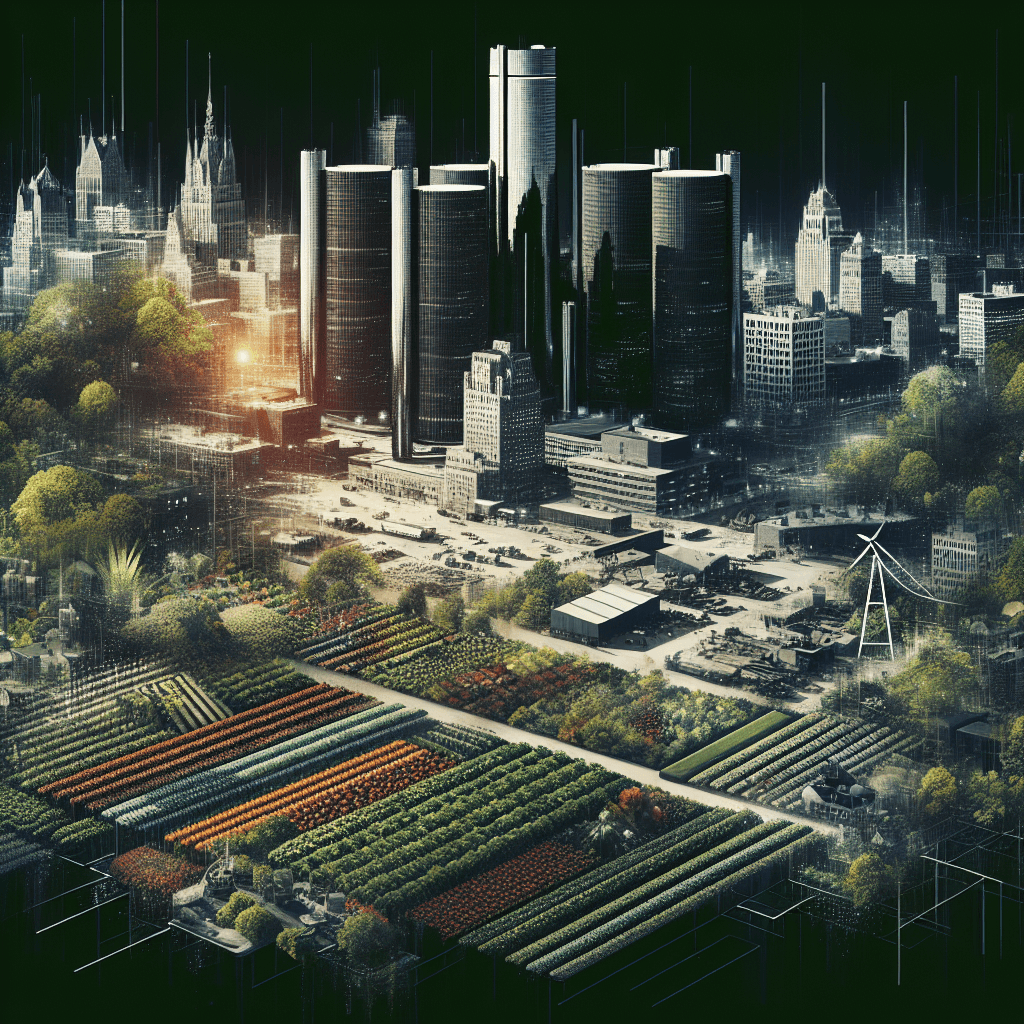
- urban agriculture
- food security
- resilience
- Detroit
Urban Greening: Building Resilient Cities Against Climate Change
How Urban Agriculture is Transforming Detroit
Detroit, once a bustling hub of the American automotive industry, has faced significant economic decline and urban decay over the decades. However, a remarkable transformation is underway through urban agriculture. This practice is not only revitalizing vacant lots but also contributing to urban greening efforts that build resilience against climate change. By turning abandoned spaces into productive farms and gardens, Detroit is fostering sustainable communities and addressing environmental challenges.
The Rise of Urban Agriculture in Detroit
Urban agriculture involves growing, processing, and distributing food within city environments. In Detroit, this movement gained momentum after the 2008 financial crisis, which left thousands of properties vacant. Community organizations and entrepreneurs stepped in to repurpose these spaces.
Key drivers include:
- Economic Necessity: High unemployment and food insecurity prompted residents to cultivate their own food.
- Environmental Awareness: Growing concerns about climate change encouraged sustainable practices.
- Community Initiatives: Groups like the Detroit Black Community Food Security Network led efforts to promote food sovereignty.
Today, Detroit boasts over 1,400 urban farms and gardens, covering hundreds of acres.
Environmental Benefits and Climate Resilience
Urban agriculture plays a crucial role in greening cities and mitigating climate change impacts. In Detroit, these initiatives help combat urban heat islands, improve air quality, and manage stormwater.
Specific benefits include:
- Carbon Sequestration: Plants absorb CO2, reducing greenhouse gas emissions.
- Biodiversity Enhancement: Farms introduce native plants and pollinators, supporting local ecosystems.
- Flood Prevention: Permeable soil in gardens absorbs rainwater, reducing flood risks in a city prone to heavy storms.
By integrating green spaces, Detroit is creating a more resilient urban landscape that can better withstand extreme weather events.
Social and Economic Transformations
Beyond environmental gains, urban agriculture is reshaping Detroit's social fabric and economy. It fosters community bonds and provides economic opportunities in underserved areas.
Notable impacts:
- Food Access: Fresh produce is available in food deserts, improving nutrition and health outcomes.
- Job Creation: Farms like those run by Keep Growing Detroit employ locals and offer training in sustainable agriculture.
- Education and Empowerment: Programs teach youth about farming, sustainability, and entrepreneurship, building long-term resilience.
These efforts are turning blighted neighborhoods into vibrant, self-sustaining communities.
Case Studies: Success Stories from Detroit
Several projects exemplify Detroit's urban agriculture success.
- Hantz Woodlands: This initiative planted thousands of trees on vacant land, creating the world's largest urban forest and enhancing green infrastructure.
- Michigan Urban Farming Initiative: A nonprofit that transformed a blighted area into a productive farm, providing free produce and educational resources.
- D-Town Farm: Operated by the Detroit Black Community Food Security Network, this 7-acre farm focuses on African-centered agriculture and community empowerment.
These examples demonstrate how targeted efforts can lead to widespread transformation.
Challenges and Future Prospects
Despite progress, urban agriculture in Detroit faces obstacles such as soil contamination from industrial past, limited funding, and zoning issues. Addressing these requires continued policy support and community involvement.
Looking ahead:
- Policy Integration: City plans like Detroit's Sustainability Action Agenda prioritize urban greening.
- Scalability: Expanding models to other cities could amplify climate resilience efforts globally.
- Innovation: Incorporating technology like vertical farming could enhance efficiency.
With ongoing commitment, Detroit's model could inspire resilient urban futures worldwide.
Conclusion
Urban agriculture is profoundly transforming Detroit, turning challenges into opportunities for sustainable growth. By aligning with urban greening strategies, it builds cities that are not only more livable but also better equipped to face climate change. Detroit's story serves as a powerful example of how grassroots innovation can drive environmental and social resilience.