The surprising solution to ocean plastic
by David Katz · the plastic crisis: innovations in ocean cleanup
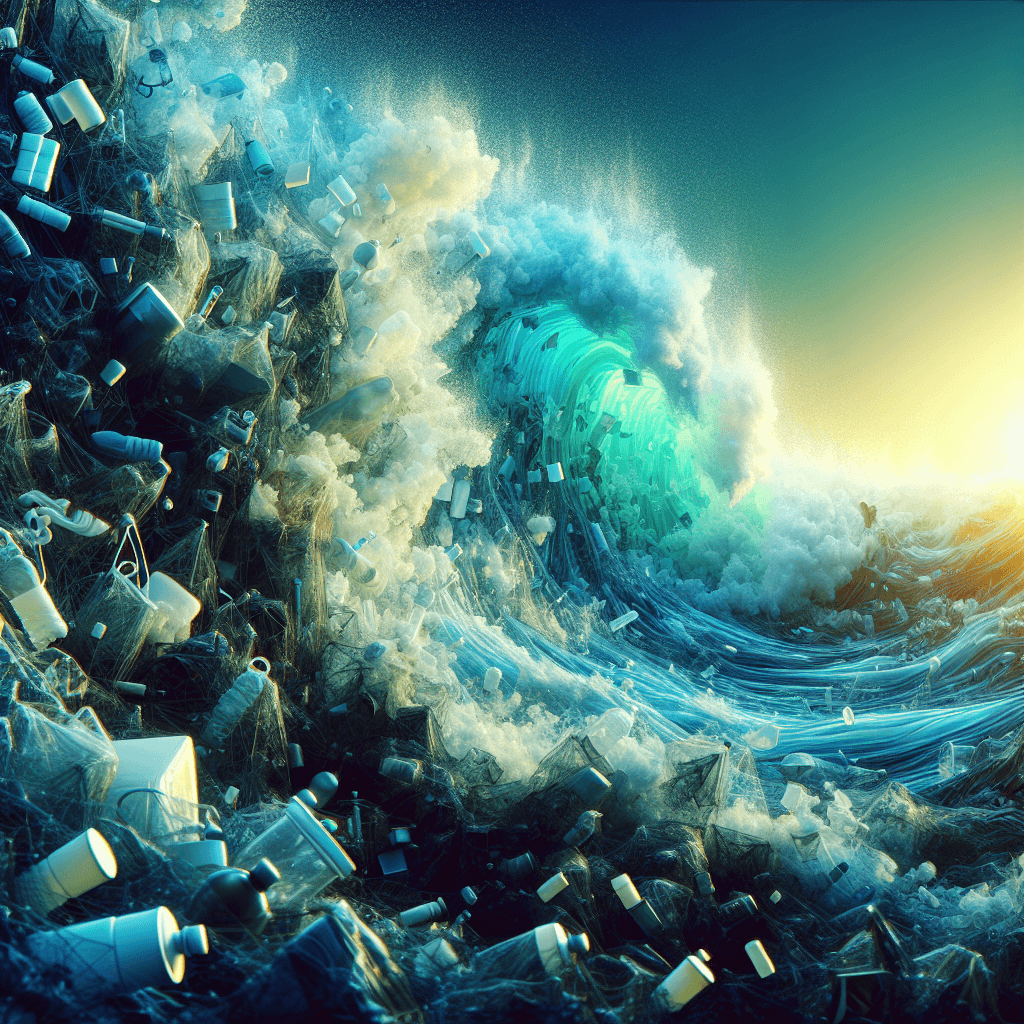
- plastic
- ocean
- recycling
- economy
- environment
The Surprising Solution to Ocean Plastic
Introduction to the Plastic Crisis
The world's oceans are drowning in plastic waste, a crisis that threatens marine life, ecosystems, and human health. Every year, millions of tons of plastic enter the oceans, forming massive garbage patches and polluting even the remotest areas. This trending topic highlights innovations in ocean cleanup, but what if the most effective solution isn't high-tech machinery or massive nets? Enter a surprising approach that's revolutionizing how we tackle this issue.
The Scope of the Problem
Plastic pollution is pervasive and persistent. It doesn't biodegrade; instead, it breaks down into microplastics that enter the food chain.
- Sources: Most ocean plastic originates from land-based activities, including improper waste disposal, industrial runoff, and littering.
- Impacts: Marine animals ingest or get entangled in plastic, leading to injury or death. Humans consume microplastics through seafood, with potential health risks still under study.
- Statistics: Over 14 million tons of plastic enter oceans annually, according to the United Nations.
Traditional cleanup methods, like volunteer beach cleanups and floating barriers, are helpful but insufficient for the scale of the problem.
Innovations in Ocean Cleanup
Recent years have seen exciting developments in technology-driven solutions. Projects like The Ocean Cleanup use massive floating booms to collect plastic from gyres. Drones and AI-powered robots are also being deployed to map and remove debris.
However, these methods focus on symptoms rather than root causes. They require enormous resources and can't keep up with the influx of new plastic.
The Surprising Solution: Plastic-Eating Microbes
Here's the twist: the surprising solution to ocean plastic might come from nature itself—engineered bacteria and enzymes that literally eat plastic. Discovered in landfills and oceans, certain microbes can break down plastics like PET (used in bottles) into harmless byproducts.
This biotechnological approach, pioneered by scientists in Japan and refined globally, offers a scalable, eco-friendly alternative to mechanical cleanups.
How It Works
- Discovery: In 2016, researchers found Ideonella sakaiensis, a bacterium that digests PET using specialized enzymes.
- Engineering: Scientists are enhancing these microbes through genetic modification to make them more efficient and adaptable to ocean environments.
- Application: These microbes could be deployed in concentrated areas like garbage patches, or used in wastewater treatment to prevent plastic from reaching the sea.
Short paragraphs explain complex processes: The enzymes break polymer chains, turning plastic into monomers that microbes metabolize for energy.
Benefits and Challenges
This microbial solution is surprising because it's low-cost and self-sustaining compared to mechanical methods.
Benefits:
- Efficiency: Microbes can target microplastics that nets miss.
- Scalability: Once introduced, they reproduce naturally.
- Environmental Friendliness: No additional pollution from machinery.
Challenges:
- Safety: Ensuring engineered microbes don't disrupt ecosystems.
- Effectiveness: They work slowly and only on certain plastics.
- Regulation: Global standards are needed for deployment.
Ongoing research, including field trials, aims to address these hurdles.
Conclusion: A Path Forward
The plastic crisis demands innovative thinking, and plastic-eating microbes represent a surprising yet promising solution. By combining biotechnology with existing cleanup efforts, we can make real progress. Individuals can help by reducing plastic use, supporting research, and advocating for policy changes. The ocean's future depends on bold, unexpected ideas like this one.
For more on ocean innovations, explore resources from organizations like Ocean Conservancy.