Connected, but alone?
by Sherry Turkle · mental health in the age of social media
- technology
- social media
- psychology
- relationships
Connected, but Alone? Mental Health in the Age of Social Media
In an era where billions of people are just a click away, social media promises unprecedented connectivity. Yet, many users report feeling more isolated than ever. This essay explores the paradox of being "connected, but alone," examining how social media impacts mental health, both positively and negatively, and offering strategies for healthier engagement.
The Allure of Digital Connection
Social media platforms like Instagram, TikTok, and Facebook have revolutionized how we interact. They allow us to share moments, stay in touch with distant loved ones, and build communities around shared interests.
However, this constant connectivity often comes at a cost. The curated highlight reels of others' lives can foster feelings of inadequacy and loneliness, even as we scroll through endless feeds.
Positive Impacts on Mental Health
Social media isn't all doom and gloom. It can be a powerful tool for mental health support:
- Community Building: Online groups provide safe spaces for discussing mental health issues, reducing stigma and offering peer support.
- Access to Resources: Platforms disseminate information on coping strategies, therapy options, and crisis hotlines.
- Empowerment Through Sharing: Users often find solace in sharing their stories, inspiring others and fostering a sense of belonging.
For instance, campaigns like #MentalHealthAwareness have helped millions feel less alone in their struggles.
The Dark Side: Isolation and Mental Strain
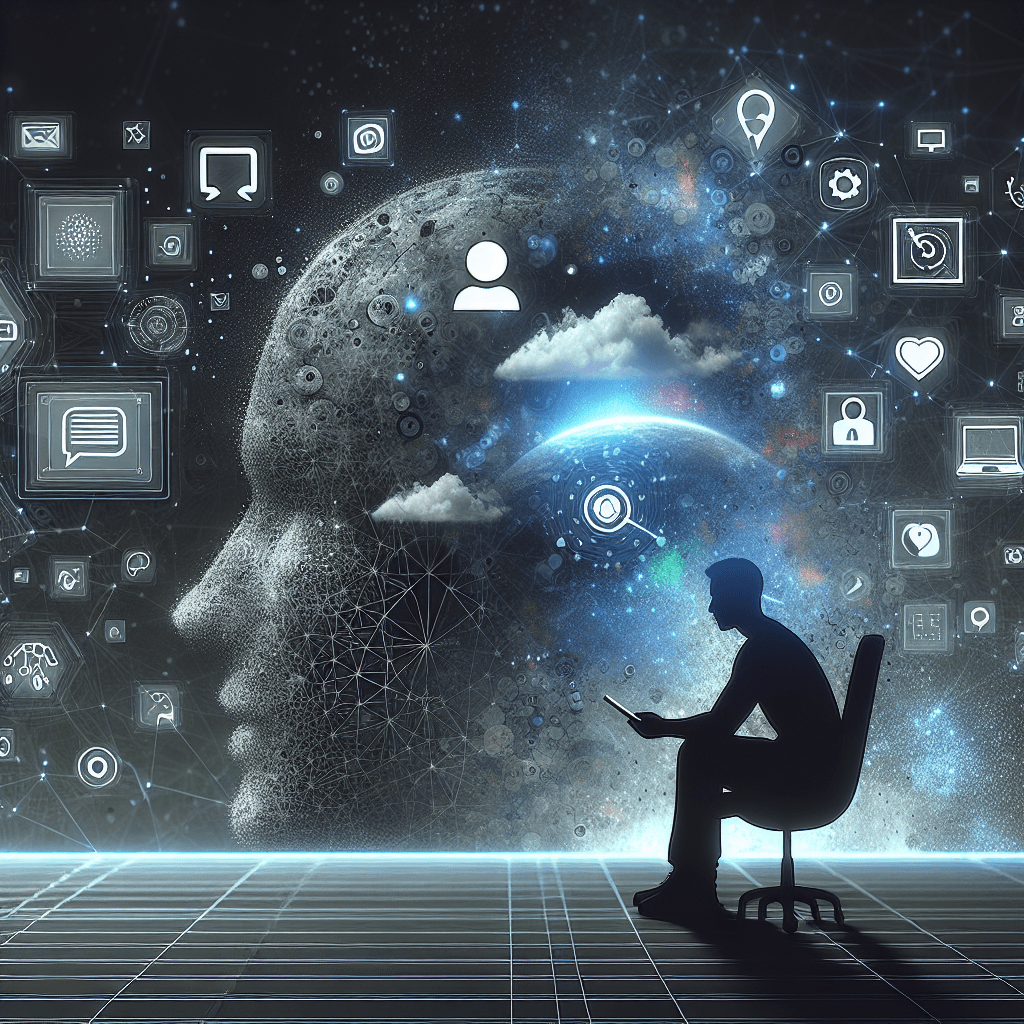
Despite its connective potential, social media can exacerbate feelings of loneliness. The title "Connected, but alone?" captures this irony perfectly.
Key negative effects include:
- Social Comparison: Constant exposure to idealized images leads to envy, low self-esteem, and depression.
- Cyberbullying: Online harassment can cause anxiety, trauma, and in severe cases, suicidal ideation.
- Addiction and FOMO: Fear of missing out keeps users glued to screens, disrupting sleep and real-world relationships.
Studies show that excessive use correlates with higher rates of anxiety and depression, particularly among young people.
The Science Behind the Paradox
Research from organizations like the American Psychological Association highlights how social media affects the brain. Dopamine hits from likes and notifications create addictive cycles, similar to gambling.
Paradoxically, while we're digitally linked, face-to-face interactions decline. A study by Cigna found that heavy social media users report higher loneliness levels, underscoring the gap between virtual and genuine connections.
Strategies for Healthier Social Media Use
To mitigate negative impacts, individuals can adopt mindful practices:
- Set Boundaries: Limit screen time and designate "digital detox" periods.
- Curate Your Feed: Follow positive, uplifting accounts and unfollow those that trigger negativity.
- Prioritize Real Connections: Use social media to facilitate in-person meetups rather than replace them.
- Seek Professional Help: If feelings of isolation persist, consult mental health professionals.
Apps with built-in time trackers and parental controls can also promote balanced usage.
Conclusion: Reclaiming Connection
Social media's role in mental health is double-edged—offering connection while potentially deepening isolation. By understanding this paradox and using platforms intentionally, we can foster genuine relationships and protect our well-being.
Ultimately, true connection comes from meaningful interactions, not just likes and shares. Let's strive to be connected and fulfilled in the digital age.