Tough truths about plastic pollution
by Dianna Cohen · microplastics in our bodies: the invisible environmental crisis
- plastic
- pollution
- art
- activism
- ocean
The Body as the Ultimate Ocean
Most people picture plastic pollution as a faraway ocean problem, yet the particles from discarded items are now part of the human interior. This reversal turns an external crisis into a personal one.
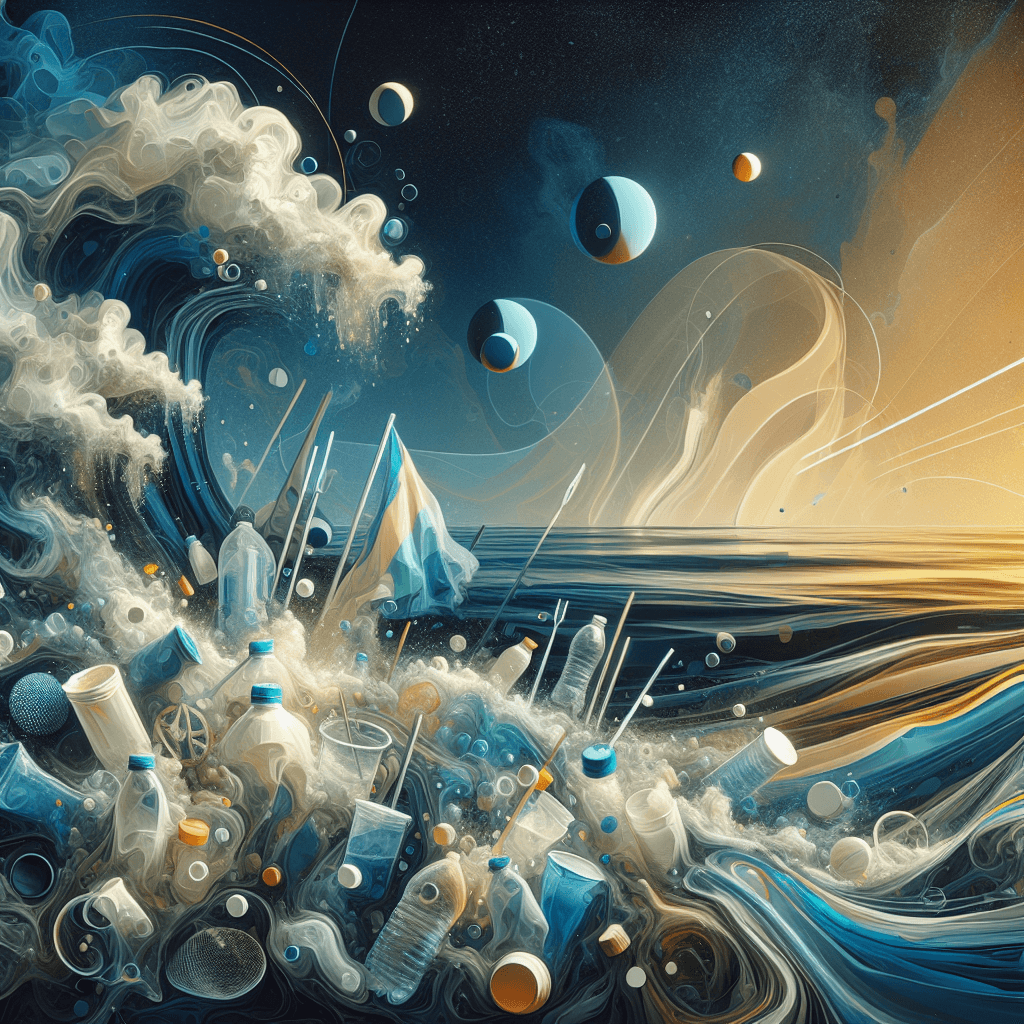
Dianna Cohen's talk confirms the tension. She shares alarming facts about plastic pollution in the oceans and calls for action to reduce single-use plastics. Her argument shows how materials meant for brief convenience travel from land to sea and, through breakdown, into living systems.
What the Speaker Gets Right
Cohen correctly identifies single-use plastics as the core driver. By focusing on ocean damage and the need to cut these items, she highlights the source that feeds the larger pollution cycle. Her activist lens, paired with art, makes the scale of ocean contamination feel immediate rather than abstract.
- Reducing single-use plastics directly attacks the volume of material entering marine environments.
- Artistic activism can shift public behavior faster than statistics alone.
Where Nuance Remains Necessary
The talk centers on ocean facts and collective calls to action, yet the microplastic presence inside bodies adds a layer her argument does not fully address. Personal exposure reduction may require steps beyond ocean cleanup, such as choices in daily consumption that limit new plastic entering homes and waste streams. Systemic production changes sit outside the individual scope Cohen emphasizes.
Turning Awareness into Daily Practice
Cohen's insistence on cutting single-use plastics supplies the practical bridge. Choosing reusable alternatives shrinks the supply of material that eventually fragments. This single habit aligns individual routines with the broader ocean-protection goal she advances.
The result merges her insight with the current microplastic reality: fewer single-use items mean less raw material available to become invisible particles. Art and activism, as Cohen demonstrates, keep that connection visible long enough for habits to change.