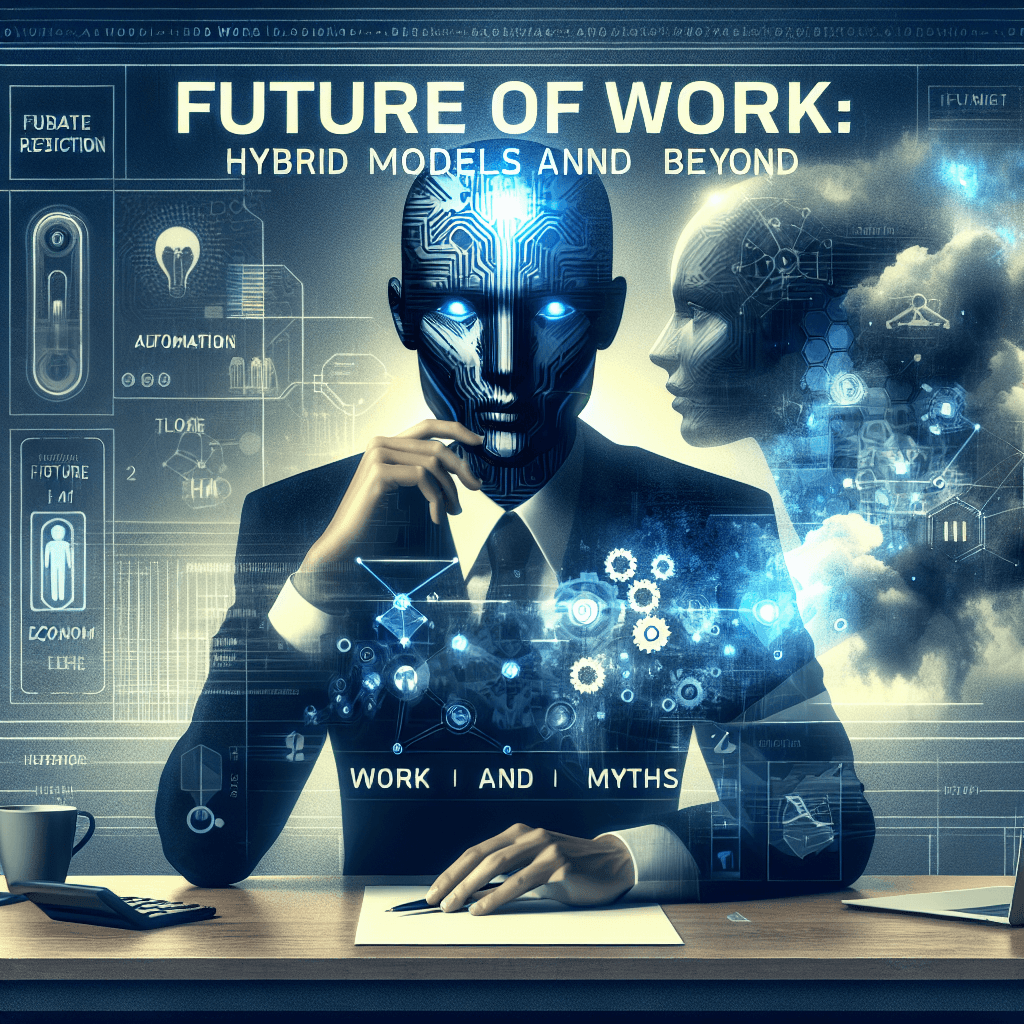
3 myths about the future of work (and why they're not true)
by Daniel Susskind · the future of work: navigating hybrid realities
- work
- AI
- economy
- future
The Future of Work: Navigating Hybrid Realities
Introduction
The landscape of work is evolving rapidly, driven by technological advancements, global events like the COVID-19 pandemic, and shifting societal expectations. As we navigate hybrid realities—blending remote, in-office, and digital collaboration—the future of work sparks both excitement and apprehension. In this essay, we'll debunk three common myths about the future of work and explain why they're not true. By addressing these misconceptions, we can better prepare for a more flexible, inclusive, and innovative professional world.
Myth 1: Remote Work Will Completely Replace Traditional Offices
One pervasive myth is that remote work will render physical offices obsolete, with everyone working from home indefinitely. This stems from the surge in remote setups during the pandemic, leading many to believe offices are a relic of the past.
However, this isn't true. Hybrid models are emerging as the norm, combining the best of both worlds. Offices provide essential benefits like spontaneous collaboration, team building, and a sense of community that virtual tools can't fully replicate.
- Human Connection: Face-to-face interactions foster creativity and innovation, which are harder to achieve over video calls.
- Productivity Balance: While remote work offers flexibility, many report higher productivity in structured office environments for certain tasks.
- Equity Considerations: Not everyone has an ideal home setup; offices ensure equal access to resources.
In reality, the future lies in hybrid setups where employees split time between home and office, tailored to individual and organizational needs.
Myth 2: AI and Automation Will Eliminate Most Jobs
Another common fear is that artificial intelligence (AI) and automation will wipe out jobs en masse, leaving millions unemployed. This myth is fueled by headlines about robots taking over factories and AI handling customer service.
But this overlooks the transformative nature of technology. Historically, innovations like the internet created more jobs than they destroyed. AI will augment human capabilities rather than replace them entirely.
- Job Evolution: Roles will shift; for example, AI can handle repetitive tasks, freeing humans for strategic, creative work.
- New Opportunities: Emerging fields like AI ethics, data science, and cybersecurity are booming due to these technologies.
- Reskilling Imperative: Workers will need to upskill, but this leads to more fulfilling careers, not widespread job loss.
The future of work involves humans and machines collaborating, enhancing efficiency and opening doors to unprecedented possibilities.
Myth 3: Hybrid Work Is Just a Temporary Trend
Many believe hybrid work is a fleeting response to the pandemic, and we'll soon return to full-time office mandates. This myth assumes pre-pandemic norms were ideal and ignores lasting changes in worker preferences.
In truth, hybrid work is here to stay, driven by proven benefits and employee demand. Companies ignoring this risk losing talent in a competitive job market.
- Work-Life Balance: Hybrid models allow flexibility, reducing burnout and improving mental health.
- Global Talent Access: Organizations can hire from anywhere, diversifying teams and fostering innovation.
- Sustainability Gains: Less commuting means lower carbon emissions, aligning with environmental goals.
As we navigate hybrid realities, embracing this model will define successful workplaces, making them more adaptable and resilient.
Conclusion
Debunking these myths reveals a future of work that's dynamic and opportunity-rich. By understanding that remote won't fully replace offices, AI will create rather than destroy jobs, and hybrid models are permanent, we can approach change with optimism. Leaders and workers alike should focus on adaptability, continuous learning, and inclusive policies to thrive in this evolving landscape. The key is navigating hybrid realities thoughtfully, ensuring work remains meaningful and productive for all.