The link between climate change, health and poverty
by Cheryl Holder · climate change and its impact on global health
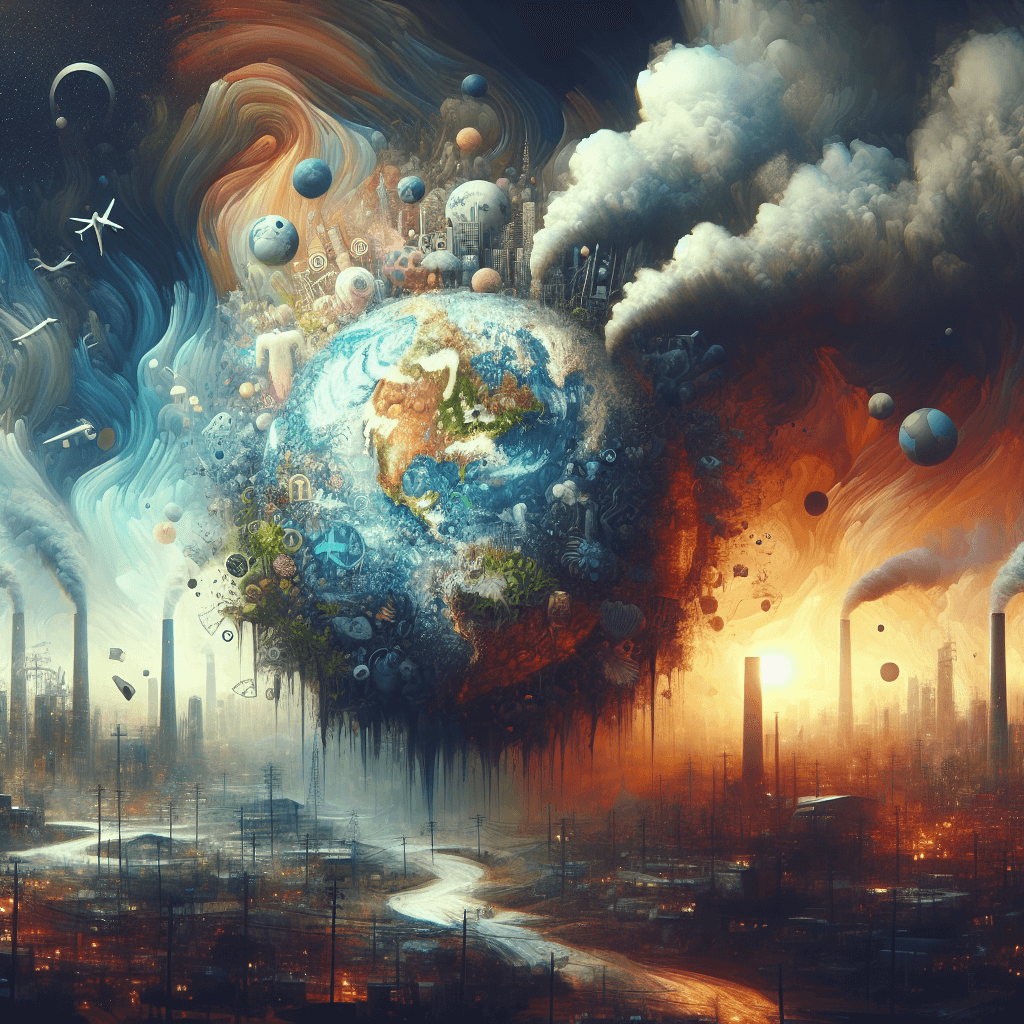
- climate change
- health
- poverty
- global issues
When Poverty Amplifies the Planet's Fever
A coastal village wakes to another flooded dawn. Families wade through contaminated water that breeds mosquitoes and gut illnesses, while the nearest clinic lies miles away and medicine prices have climbed after the last storm. Children miss school; adults lose wages. The cycle tightens with every extreme-weather event.
Cheryl Holder reframes climate change not only as an existential threat but as an immediate health crisis. She argues that environmental shifts worsen disease burdens and deepen economic inequality, hitting people living in poverty hardest. Her central claim rests on this disproportionate impact: those with fewest resources face the greatest health risks, yet solutions must address both the environmental driver and the poverty that magnifies its effects.
Holder points out that viewing climate solely through an environmental lens misses the daily health toll. Rising temperatures, altered disease patterns, and disaster damage compound existing vulnerabilities—limited access to care, unstable housing, and fragile incomes. By naming these links, she opens space for targeted mitigation that treats poverty reduction as a health intervention.
Applied to the flooded village, Holder's thinking reveals why aid focused only on sea walls falls short. Addressing poverty means strengthening local health systems, securing affordable medicine stockpiles, and creating income buffers so families can evacuate or rebuild without sliding into deeper debt. These steps blunt the health cascade that climate events trigger among the least-resourced residents.
- Poverty reduction expands access to preventive care that counters climate-linked illnesses.
- Stable incomes allow communities to invest in resilient housing and early-warning systems.
- Integrated policies treat economic equity as a frontline defense against health shocks.
Holder therefore supplies a practical pivot: the same communities bearing the heaviest health load also hold the clearest insight into what works. When poverty is eased, the health impacts of climate change lose some of their leverage.
What daily health burden in your own community would shrink if economic security were treated as climate medicine?