Tiny satellites show us the Earth as it changes in near-real-time
by Will Marshall · harnessing ai for sustainable agriculture in a warming world
- space
- technology
- environment
- data
In a warming world where agriculture must feed more people with fewer resources, it feels surprising that progress could hinge on something as distant and detached as a swarm of shoebox-sized satellites rather than on-the-ground sensors or new seed varieties. Yet the daily planetary snapshots described by Will Marshall suggest that a view from above might quietly reshape how farmers adapt to climate pressures.
Marshall's Core Insight
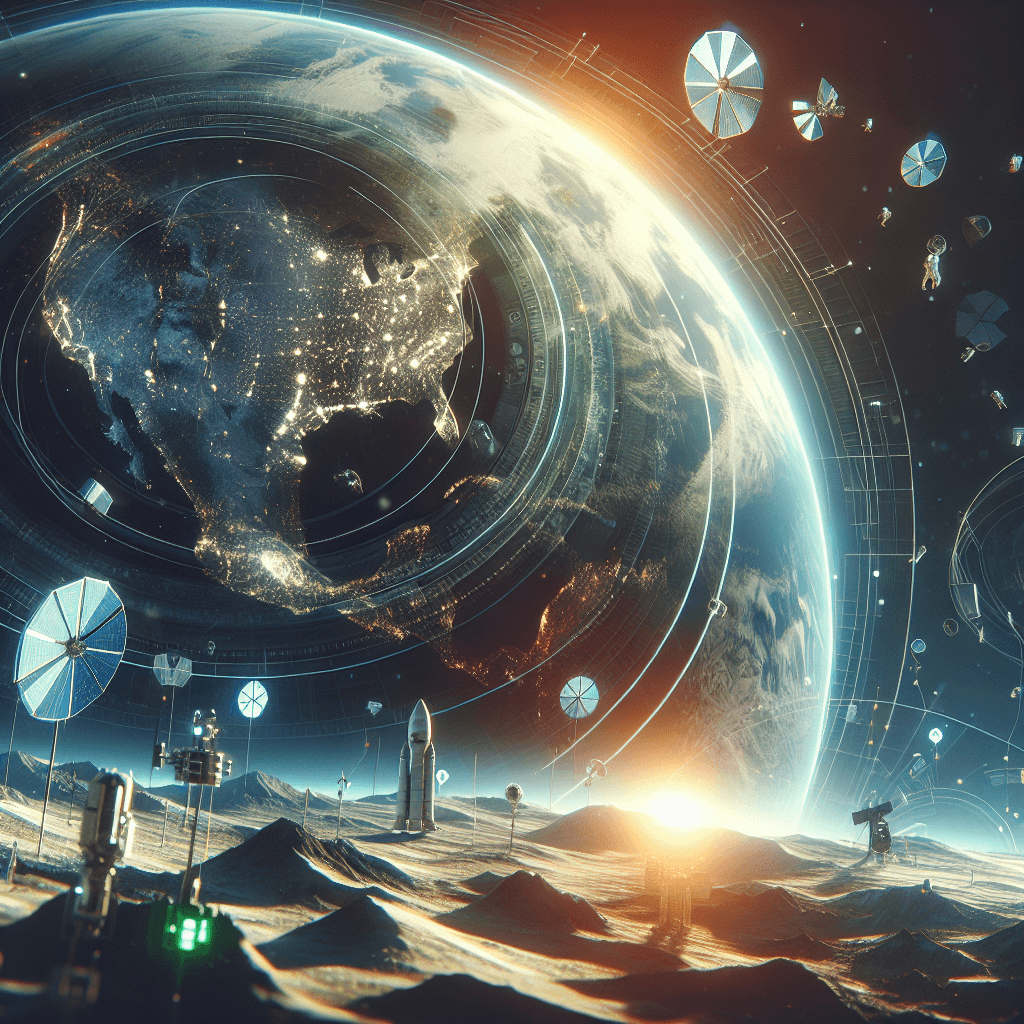
Will Marshall argues that Planet Labs' fleet delivers near-real-time imagery of Earth, making it possible to observe environmental shifts and disasters as they unfold. His claim that "We're building a system that can see the whole planet every day" underscores the shift from sporadic satellite passes to consistent daily coverage. This capability directly supports the trending topic by supplying the raw visual data that artificial intelligence systems can process to track crop conditions, forecast outputs, spot deforestation, and guide farming adjustments in response to rising temperatures.
Where the Argument Aligns and Where It Needs Qualification
Marshall's emphasis on frequent, global imaging confirms the opening tension: the most actionable information for sustainable agriculture may indeed arrive from orbit rather than soil. The talk rightly highlights how such imagery aids monitoring of broad environmental changes, which aligns with using AI to detect patterns invisible to farmers on any single day. However, the speaker's focus on disaster response leaves room for nuance when applied to agriculture. Gradual stresses like shifting rainfall or soil degradation unfold over seasons, not sudden events, so the daily images require sustained AI analysis to become useful rather than overwhelming. Without that interpretive layer, the torrent of pictures risks remaining raw data instead of actionable farming intelligence.
Synthesizing a Practical Path Forward
The takeaway emerges when Marshall's daily planetary vision meets AI-driven agriculture: satellite streams can supply the consistent baseline needed to train models that predict yield risks or flag early signs of drought stress across entire regions. Farmers and policymakers could then move from reactive measures to proactive strategies that preserve yields even as the climate warms. By anchoring adaptation in continuous observation rather than isolated snapshots, this integration turns the speaker's system into a foundation for resilient food systems that respond to change at the pace it actually occurs.