The surprising solution to ocean plastic
by David Katz · from plastic waste to circular economy: rethinking our trash
- plastic
- ocean
- recycling
- economy
- environment
From Plastic Waste to Circular Economy: Rethinking Our Trash
Introduction
In an era where plastic pollution chokes our oceans and landfills overflow, the concept of a circular economy offers a beacon of hope. This essay explores the trending topic of transforming plastic waste into valuable resources, with a focus on the talk title: "The Surprising Solution to Ocean Plastic." We'll delve into the problems, innovative solutions, and the path forward to rethink our trash.
The Global Plastic Waste Crisis
Plastic production has skyrocketed since the 1950s, with over 8 billion tons produced globally. Unfortunately, only about 9% of this plastic is recycled, leading to massive environmental harm.
Short-lived items like single-use bags and bottles contribute significantly to waste. This linear "take-make-dispose" model depletes resources and pollutes ecosystems.
The Ocean Plastic Dilemma
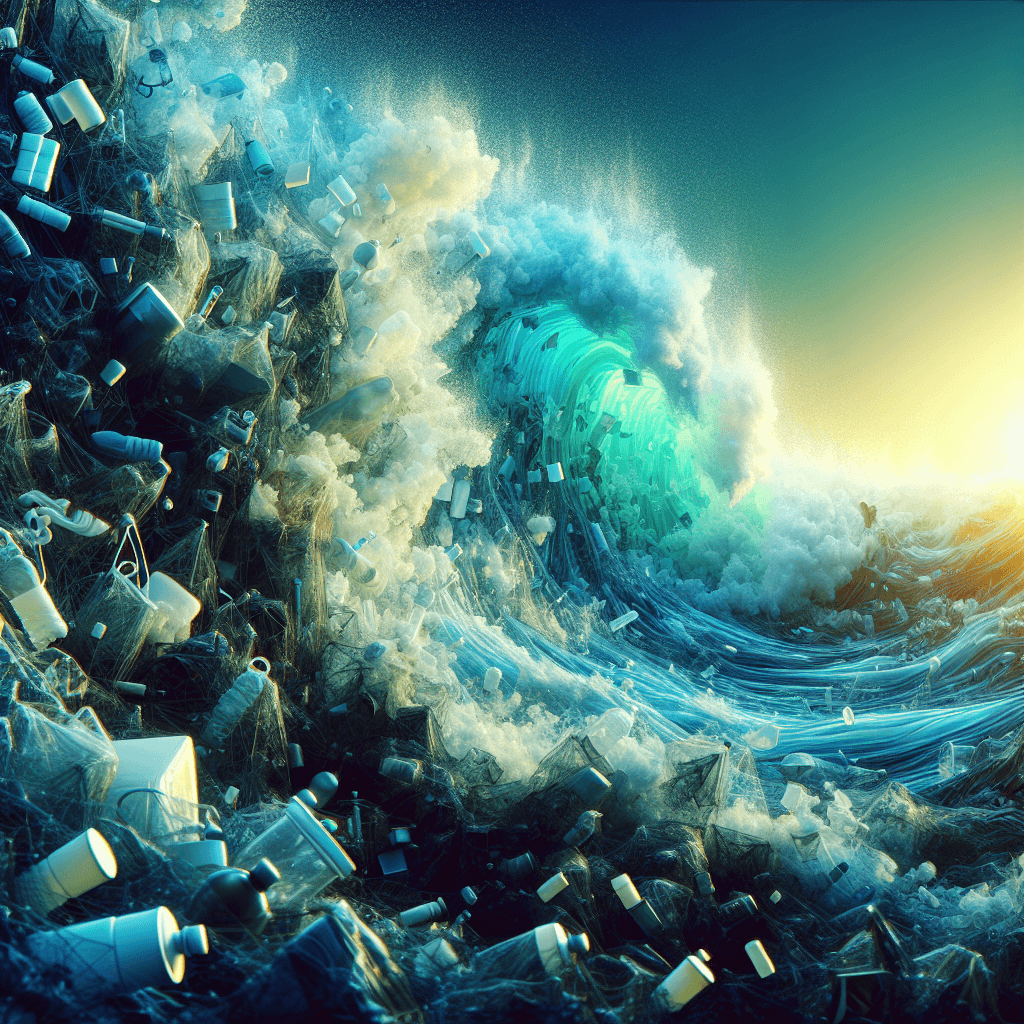
Oceans bear the brunt of plastic pollution, with an estimated 11 million metric tons entering annually. This "ocean plastic" forms vast garbage patches, harming marine life and entering the food chain.
Sea creatures ingest microplastics, leading to health issues and biodiversity loss. Human communities suffer too, as polluted beaches affect tourism and fisheries.
Understanding the Circular Economy
A circular economy shifts from linear models by emphasizing reuse, recycling, and regeneration. It aims to keep materials in use for as long as possible, minimizing waste.
Key principles include:
- Design for Durability: Creating products that last longer and are easier to repair.
- Resource Recovery: Turning waste into raw materials for new products.
- Sustainable Consumption: Encouraging sharing economies and reduced consumption.
This approach not only reduces pollution but also creates economic opportunities through new jobs in recycling and innovation.
The Surprising Solution to Ocean Plastic
One surprising solution gaining traction is enzymatic recycling, pioneered by companies like Carbios. Enzymes break down plastics into their original monomers, allowing infinite recycling without quality loss.
Unlike traditional methods, this biotech approach works on mixed plastics and doesn't require sorting. It's a game-changer for ocean-recovered plastics, which are often degraded and contaminated.
Another innovative twist: using plastic-eating bacteria or fungi discovered in waste sites. These microbes naturally degrade plastics, offering a biological fix to the pollution puzzle.
Real-World Applications and Success Stories
Initiatives like The Ocean Cleanup project remove plastics from oceans, while brands like Adidas turn them into sneakers and apparel.
In the circular economy:
- Closed-Loop Systems: Companies like Patagonia recycle old garments into new ones.
- Waste-to-Energy: Converting non-recyclable plastics into fuel, though this is debated for its emissions.
- Policy Drives: Bans on single-use plastics in places like the EU push for circular practices.
These examples show how rethinking trash can lead to sustainable business models.
Benefits of Embracing Circularity
Adopting a circular economy for plastics brings multifaceted advantages:
- Environmental Protection: Reduces landfill use and ocean pollution.
- Economic Gains: Saves costs on raw materials and creates green jobs.
- Health Improvements: Lowers exposure to toxic chemicals from degrading plastics.
Overall, it fosters innovation and resilience against resource scarcity.
Challenges and the Road Ahead
Despite promise, hurdles remain. High initial costs for new technologies and lack of infrastructure slow adoption.
Consumer behavior must change, and global regulations need harmonization. Education plays a key role in promoting recycling habits.
Future outlook: With advancements in AI for sorting and biotech, a plastic-free ocean is within reach if we act collectively.
Conclusion
From overwhelming waste to a circular triumph, rethinking our trash through innovative solutions like enzymatic recycling offers a surprising yet effective path to combat ocean plastic. By embracing these strategies, we can protect our planet and build a sustainable future. Let's turn the tide on plastic pollution today.