How AI Can Save Our Humanity
by Kai-Fu Lee · the ai revolution: transforming business models for the future
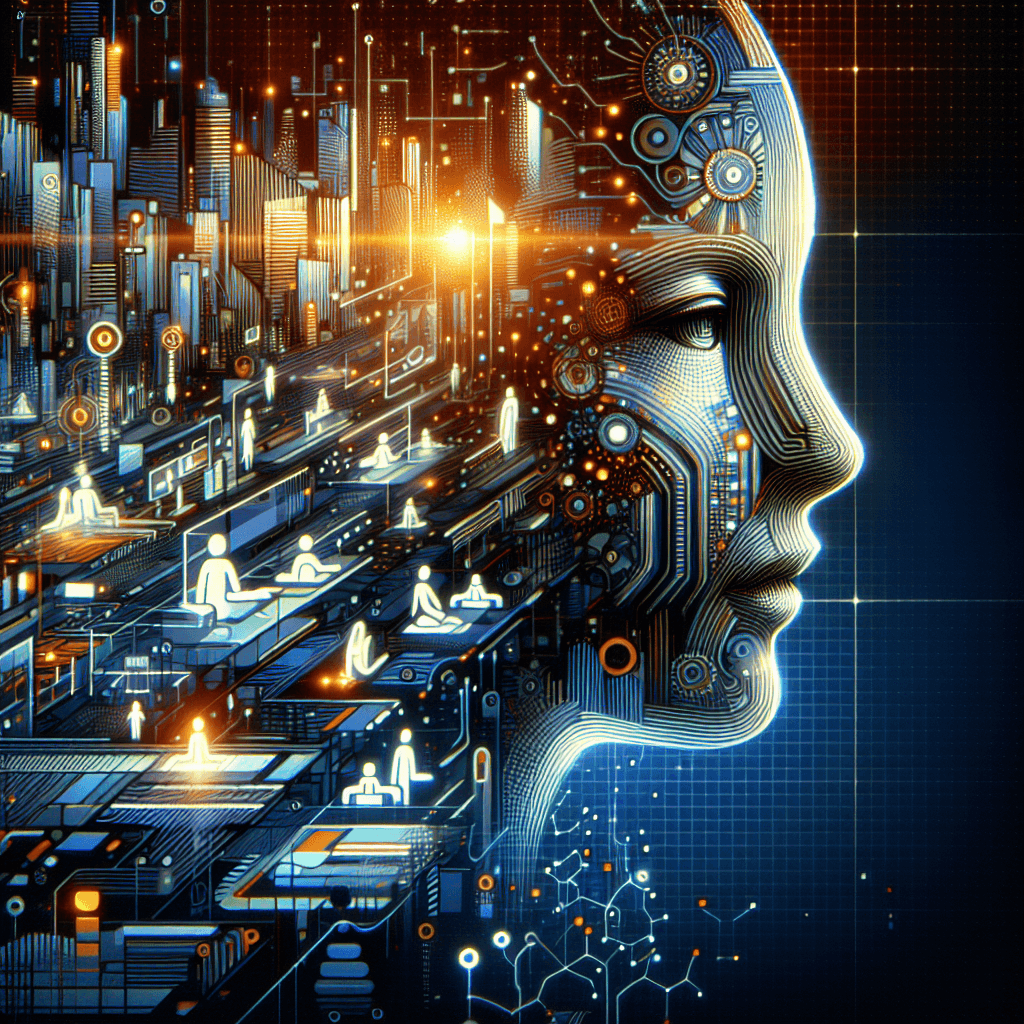
- AI
- technology
- future
- jobs
- economy
The AI Revolution: Transforming Business Models for the Future
Introduction
The AI revolution is reshaping the world, particularly in how businesses operate and innovate. As companies integrate artificial intelligence into their core strategies, they're not just optimizing processes—they're redefining entire business models. Yet, amid this technological surge, a crucial question arises: How can AI save our humanity? This talk explores the intersection of AI-driven business transformation and the preservation of human values, ensuring that technology enhances rather than diminishes our essence.
AI's Transformative Power in Business
AI is revolutionizing business models by enabling unprecedented efficiency, personalization, and scalability. From predictive analytics to automated decision-making, AI tools are helping companies anticipate market trends and customer needs with remarkable accuracy.
- Personalized Customer Experiences: AI algorithms analyze vast datasets to tailor products and services, boosting customer satisfaction and loyalty.
- Operational Efficiency: Automation of routine tasks frees human workers for creative roles, reducing costs and errors.
- Innovative Revenue Streams: Businesses are creating new models, like AI-powered subscription services or data monetization, that were unimaginable a decade ago.
These changes are not just incremental; they're foundational shifts that position AI as a cornerstone of future economies.
The Risk of Losing Our Humanity
While AI drives progress, it poses risks to our human core. Job displacement, ethical dilemmas in decision-making, and the erosion of privacy are real concerns. If unchecked, AI could amplify inequalities or reduce human interactions to mere data points, stripping away empathy and creativity.
Short paragraphs like this highlight the duality: AI's potential for good is matched by its capacity for harm. The key lies in mindful integration.
How AI Can Save Our Humanity
Paradoxically, AI can be the very tool that preserves and enhances our humanity. By augmenting human capabilities, AI allows us to focus on what makes us uniquely human—empathy, innovation, and ethical reasoning.
- Enhancing Creativity: AI handles repetitive tasks, giving humans more time for artistic and strategic pursuits.
- Promoting Ethical Decision-Making: Advanced AI systems can simulate scenarios to help leaders make compassionate choices.
- Fostering Global Connections: AI-powered translation and collaboration tools break down barriers, enabling diverse human interactions on a massive scale.
In business, this means designing AI systems that prioritize human well-being, such as inclusive algorithms that reduce bias and promote fairness.
Case Studies of Human-Centric AI in Business
Real-world examples illustrate AI's potential to save humanity. Companies like IBM use AI for ethical supply chain management, ensuring fair labor practices. Healthcare firms employ AI to personalize treatments while maintaining doctor-patient relationships.
- Education Sector: AI tutors adapt to individual learning styles, making education more accessible and human-focused.
- Environmental Efforts: AI optimizes resource use, helping businesses combat climate change and preserve the planet for future generations.
These cases show that when aligned with human values, AI transforms businesses into forces for good.
Conclusion
The AI revolution is not just about transforming business models—it's about evolving them in ways that safeguard our humanity. By embracing AI thoughtfully, we can harness its power to amplify human potential, foster empathy, and build a more equitable future. As we stand on the brink of this new era, the choice is ours: Let AI save our humanity, or risk losing it in the process.