How CRISPR lets us edit our DNA
by Jennifer Doudna · personalized medicine: tailoring treatments for the future
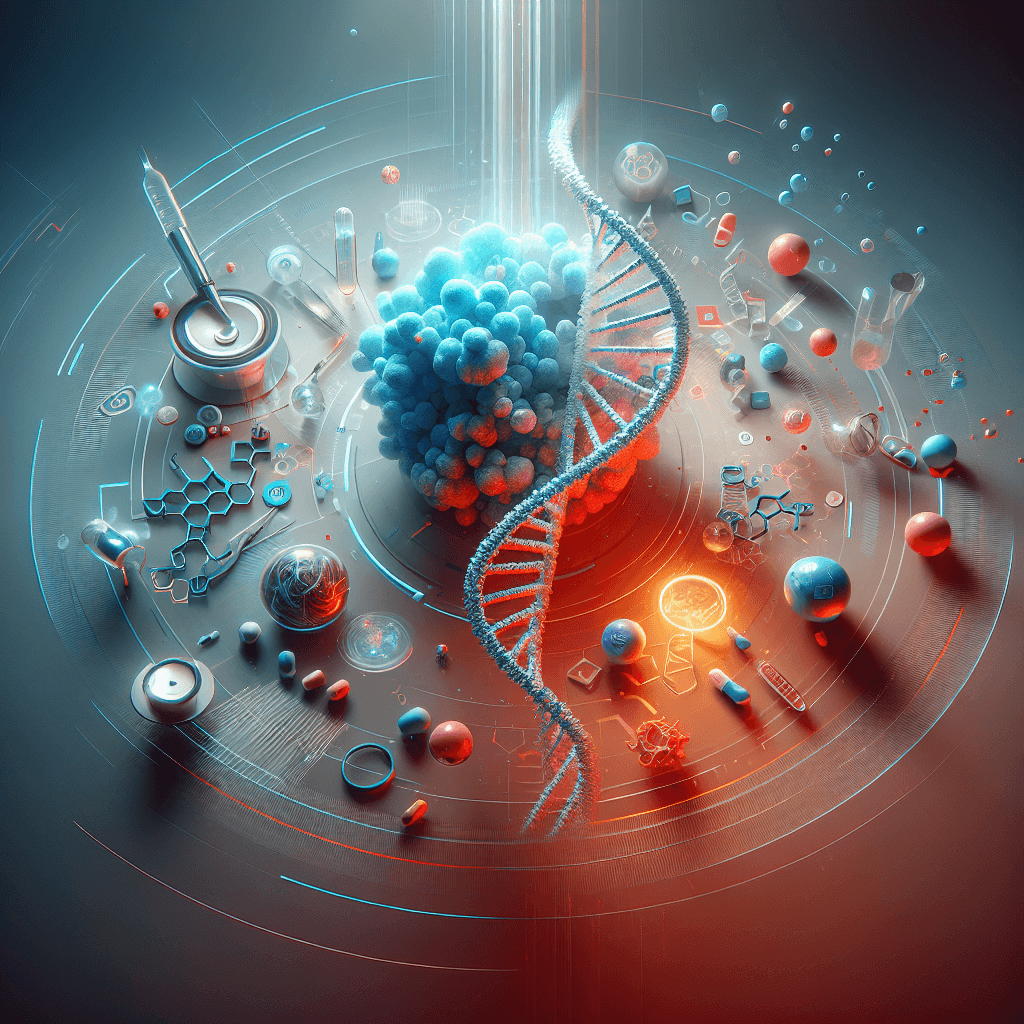
- biotechnology
- CRISPR
- genetics
- health
Personalized Medicine: Tailoring Treatments for the Future
How CRISPR Lets Us Edit Our DNA
Personalized medicine is revolutionizing healthcare by customizing treatments to individual genetic profiles. At the forefront of this trend is CRISPR, a groundbreaking technology that allows precise editing of DNA. This essay explores how CRISPR enables us to modify our genetic code, paving the way for tailored therapies that address diseases at their root cause.
What is CRISPR?
CRISPR, short for Clustered Regularly Interspaced Short Palindromic Repeats, is a natural defense mechanism found in bacteria. Scientists have adapted it into a tool for gene editing.
- Discovery: Identified in the 1980s, but harnessed for editing in 2012 by Jennifer Doudna and Emmanuelle Charpentier.
- Nobel Prize: Awarded in 2020 for their work on CRISPR-Cas9.
This technology acts like molecular scissors, cutting DNA at specific locations to add, delete, or replace genetic material.
How CRISPR Works
CRISPR-Cas9 is the most common system used. It involves a guide RNA that directs the Cas9 enzyme to a target DNA sequence.
The process unfolds in simple steps:
- Targeting: The guide RNA matches the desired DNA segment.
- Cutting: Cas9 enzyme snips the DNA double helix.
- Repair: The cell's natural repair mechanisms fix the break, allowing insertions or deletions.
This precision minimizes off-target effects compared to older gene-editing methods.
CRISPR in Personalized Medicine
Personalized medicine uses genetic information to tailor treatments. CRISPR amplifies this by directly editing genes responsible for diseases.
Key applications include:
- Genetic Disorders: Treating conditions like sickle cell anemia by correcting faulty genes in patients' cells.
- Cancer Therapies: Editing immune cells to better target tumors, as seen in CAR-T cell therapies enhanced by CRISPR.
- Infectious Diseases: Developing resistance to viruses like HIV by editing human genes.
For instance, in 2018, the first CRISPR-edited babies were controversially reported in China, highlighting ethical debates but also potential.
Benefits of CRISPR-Driven Personalization
CRISPR offers transformative advantages in medicine:
- Precision: Targets specific mutations, reducing side effects from broad treatments like chemotherapy.
- One-Time Fixes: Potential for permanent cures rather than lifelong management.
- Accessibility: As costs decrease, it could democratize advanced treatments.
Imagine a future where a simple injection edits out a hereditary disease, customized to your unique genome.
Challenges and Ethical Considerations
Despite its promise, CRISPR faces hurdles:
- Off-Target Effects: Unintended edits could cause new health issues.
- Ethical Dilemmas: Germline editing (changes passed to offspring) raises concerns about designer babies.
- Regulatory Hurdles: Strict approvals needed to ensure safety, as seen in ongoing clinical trials.
Balancing innovation with caution is crucial to avoid misuse.
The Future of CRISPR and Personalized Medicine
Advancements are accelerating. Tools like CRISPR-Cas12 and base editing offer even greater precision.
Looking ahead:
- Integration with AI: Combining CRISPR with machine learning for predicting edit outcomes.
- Global Impact: Potential to eradicate diseases in underserved populations.
- Therapeutic Expansion: Beyond editing, CRISPR could enable personalized drug development.
As research progresses, CRISPR will likely become a cornerstone of personalized healthcare.
Conclusion
CRISPR's ability to edit DNA is a game-changer for personalized medicine, offering hope for treatments tailored to our genetic makeup. While challenges remain, its potential to transform lives is immense. By addressing ethical and technical issues, we can harness this technology for a healthier future.