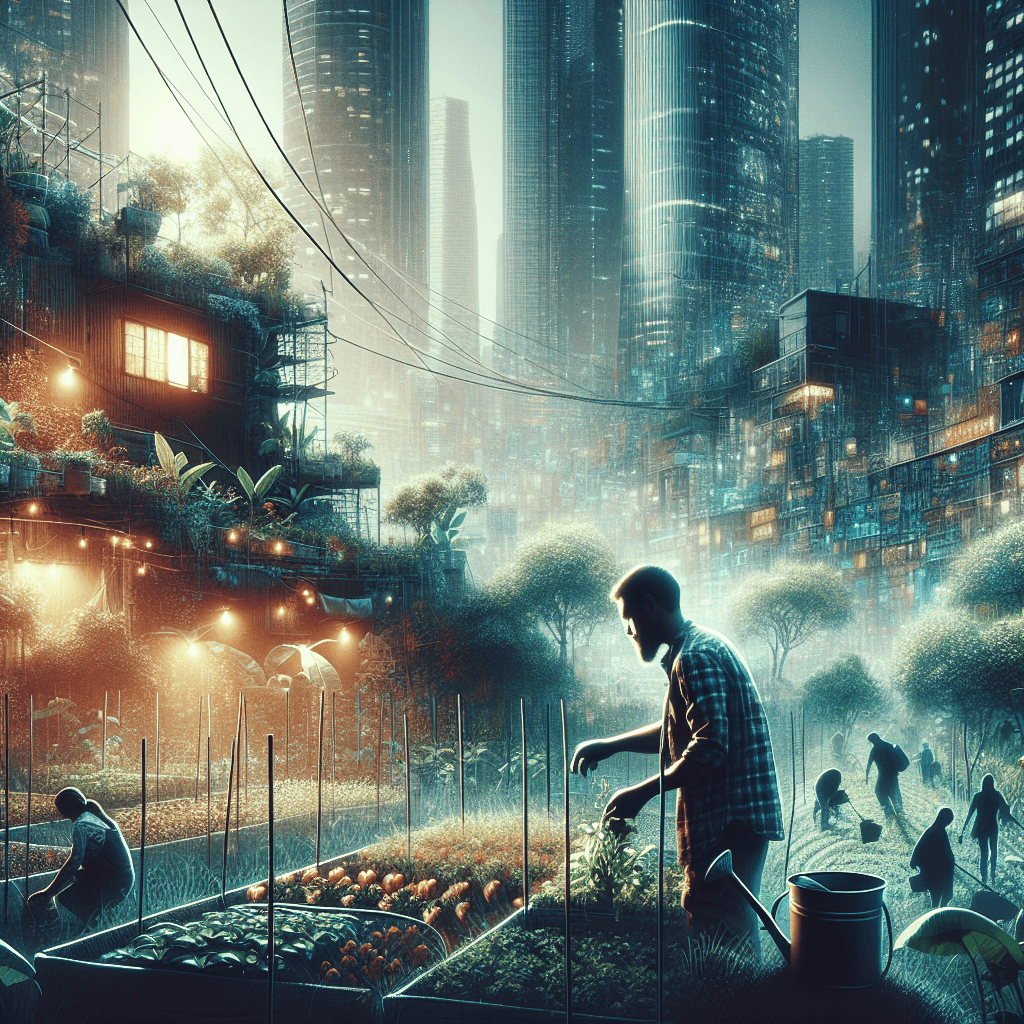
A guerilla gardener in South Central LA
by Ron Finley · the hidden power of urban forests in combating climate change
- gardening
- urban
- food
- community
The Hidden Power of Urban Forests in Combating Climate Change
Introduction
Urban forests are more than just patches of green in concrete jungles—they're vital warriors in the fight against climate change. These city-based ecosystems absorb carbon dioxide, reduce urban heat islands, and improve air quality. But how do they come to life in underserved areas? Enter the world of guerilla gardening, exemplified by passionate individuals in places like South Central Los Angeles. This essay explores the trending topic of urban forests' climate benefits through the lens of a guerilla gardener's inspiring story.
What Are Urban Forests and Their Climate Impact?
Urban forests consist of trees, shrubs, and green spaces integrated into city landscapes. They play a crucial role in mitigating climate change by sequestering carbon and providing shade that lowers energy use for cooling.
Key benefits include:
- Carbon Sequestration: Trees absorb CO2, storing it in their biomass and reducing greenhouse gases.
- Heat Reduction: By shading buildings and streets, they combat the urban heat island effect, which can make cities 5-10°F warmer than rural areas.
- Biodiversity Support: They foster habitats for wildlife, enhancing ecosystem resilience against climate shifts.
- Stormwater Management: Roots prevent flooding by absorbing rainwater, a growing concern with extreme weather.
In densely populated areas like Los Angeles, these forests are essential for sustainable urban living.
The Rise of Guerilla Gardening
Guerilla gardening involves planting on neglected or abandoned land without permission, often to beautify and revitalize communities. It's a form of environmental activism that turns blighted lots into thriving green spaces.
This movement gained traction in the 1970s but has roots in community responses to urban decay. In South Central LA, where access to green spaces is limited, guerilla gardeners step in to fill the void, creating urban forests from the ground up.
A Guerilla Gardener's Story in South Central LA
Meet Ron Finley, often dubbed the "Gangsta Gardener" of South Central LA. Frustrated by food deserts and lack of healthy options in his neighborhood, Finley began planting vegetables and trees on city-owned curbsides in 2010.
His efforts sparked a movement:
- Community Transformation: What started as a small garden grew into the Ron Finley Project, educating locals on sustainable gardening.
- Challenges Faced: He battled city citations for unauthorized planting but turned it into advocacy, changing LA laws to allow curbside gardens.
- Climate Contributions: By planting fruit trees and native species, Finley created mini urban forests that cool the area and sequester carbon.
Finley's work highlights how individual action can amplify the hidden power of urban forests in climate-vulnerable communities.
Linking Guerilla Gardening to Broader Climate Solutions
Guerilla gardening isn't just rebellion—it's a practical response to climate inaction. In South Central LA, these illicit gardens address environmental injustice, where low-income areas suffer more from pollution and heat.
Broader impacts:
- Scalability: Successful projects inspire city-wide policies, like LA's Green New Deal initiatives.
- Social Benefits: They build community resilience, providing fresh produce and mental health boosts amid climate stress.
- Global Relevance: Similar efforts in cities worldwide show urban forests as accessible tools for climate combat.
Challenges and Future Prospects
Despite successes, guerilla gardeners face obstacles like legal hurdles, vandalism, and resource scarcity. Climate change adds urgency, with droughts threatening new plantings in places like LA.
Looking ahead:
- Policy Support: Governments should legalize and fund community greening efforts.
- Technological Aids: Apps for mapping neglected land and AI for optimal planting could enhance guerilla strategies.
- Youth Involvement: Educating the next generation ensures sustained urban forest growth.
Conclusion
The hidden power of urban forests in combating climate change is unlocked by bold actions like those of guerilla gardeners in South Central LA. Ron Finley's story reminds us that anyone can plant the seeds of change. By supporting these grassroots efforts, we can cultivate resilient cities ready to face a warming world. Let's embrace urban greening as a collective path forward.