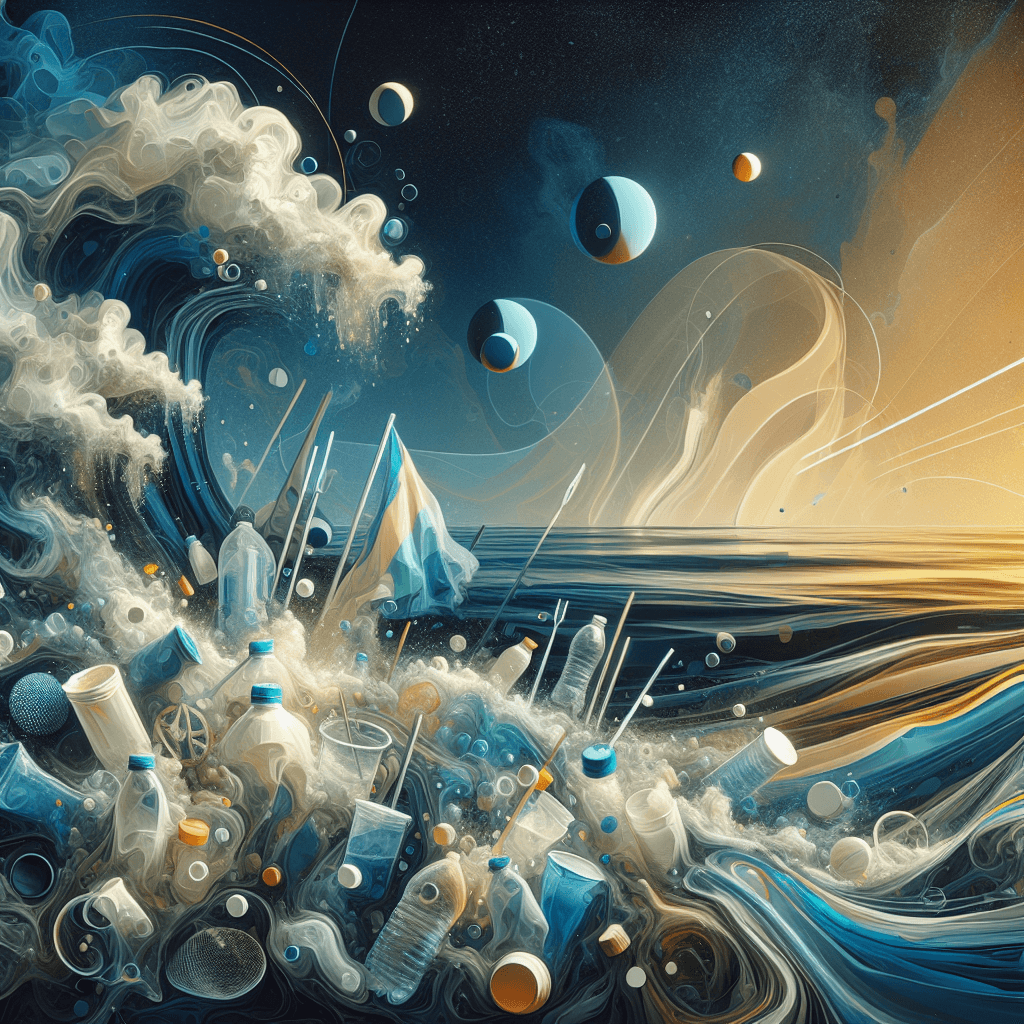
Tough Truths About Plastic Pollution
Introduction
Plastic pollution has become one of the most pressing environmental crises of our time. Our oceans, once teeming with life, are now choking under the weight of millions of tons of plastic waste. This essay explores the harsh realities of plastic pollution, its devastating impacts, and the urgent need for action to combat it for a sustainable future.
The Scale of the Problem
Every year, an estimated 11 million metric tons of plastic enter our oceans. That's equivalent to a garbage truck dumping its load into the sea every minute. This pollution doesn't just float on the surface; it permeates every level of the marine environment.
- Microplastics Everywhere: Tiny plastic particles, less than 5mm in size, have infiltrated even the deepest ocean trenches and remote Arctic ice.
- Great Pacific Garbage Patch: This massive accumulation of debris covers an area twice the size of Texas, serving as a stark symbol of our throwaway culture.
The truth is, plastic production is skyrocketing, with global output expected to double by 2040 if current trends continue.
Impacts on Marine Life
Plastic pollution is a silent killer for ocean creatures. Animals mistake colorful plastics for food, leading to starvation and internal injuries.
- Entanglement Risks: Fishing nets and six-pack rings trap seals, turtles, and birds, often resulting in drowning or severe wounds.
- Toxic Ingestion: Seabirds and fish consume microplastics, which absorb harmful chemicals and pass them up the food chain.
Studies show that over 800 species are affected, with some populations facing extinction due to this man-made threat.
Human Health Consequences
The pollution in our oceans eventually comes back to haunt us. Microplastics have been found in drinking water, salt, and even the air we breathe.
- Seafood Contamination: Fish and shellfish we eat often contain plastic particles, potentially introducing toxins into our bodies.
- Long-term Effects: Emerging research links microplastic exposure to health issues like inflammation, hormonal disruption, and increased cancer risk.
We're essentially poisoning ourselves through our reliance on single-use plastics.
Sources and Culprits
Plastic pollution stems from various sources, but some are more culpable than others.
- Single-Use Items: Bottles, bags, and straws make up a large portion of ocean trash, often used once and discarded.
- Industrial Waste: Mismanaged waste from manufacturing and shipping contributes significantly.
- Microbeads and Fibers: Cosmetics and synthetic clothing release tiny plastics through wastewater.
Developing countries bear the brunt due to inadequate waste management, but consumption in wealthy nations drives the global problem.
Challenges in Combating Pollution
Addressing plastic pollution is no easy task. Several obstacles stand in the way of effective solutions.
- Durability of Plastic: Designed to last forever, plastics don't biodegrade; they just break down into smaller pieces.
- Global Supply Chain: Plastic production involves multinational corporations, making regulation complex.
- Economic Dependencies: Many economies rely on plastic manufacturing, resisting changes that could impact jobs.
Moreover, cleanup efforts like ocean vacuums only scratch the surface, as most plastic sinks or fragments beyond reach.
Pathways to a Sustainable Future
Despite the tough truths, there's hope in collective action. We must shift from a linear economy to a circular one.
- Reduce and Reuse: Implement bans on single-use plastics and promote alternatives like reusable bags and bottles.
- Innovate Recycling: Invest in advanced recycling technologies and extended producer responsibility programs.
- Policy and Education: Support international agreements like the UN's plastic treaty and educate consumers on mindful consumption.
Individual actions, combined with corporate and governmental commitment, can turn the tide.
Conclusion
The tough truths about plastic pollution paint a grim picture, but they also illuminate the path forward. Our oceans are in peril, but through awareness, innovation, and global cooperation, we can combat this crisis. It's time to act decisively for a sustainable future where marine life thrives without the shadow of plastic waste.