How AI Can Save Our Humanity
by Kai-Fu Lee · the ai revolution: transforming business landscapes
- AI
- technology
- future
- jobs
- economy
How AI Can Save Our Humanity
Introduction
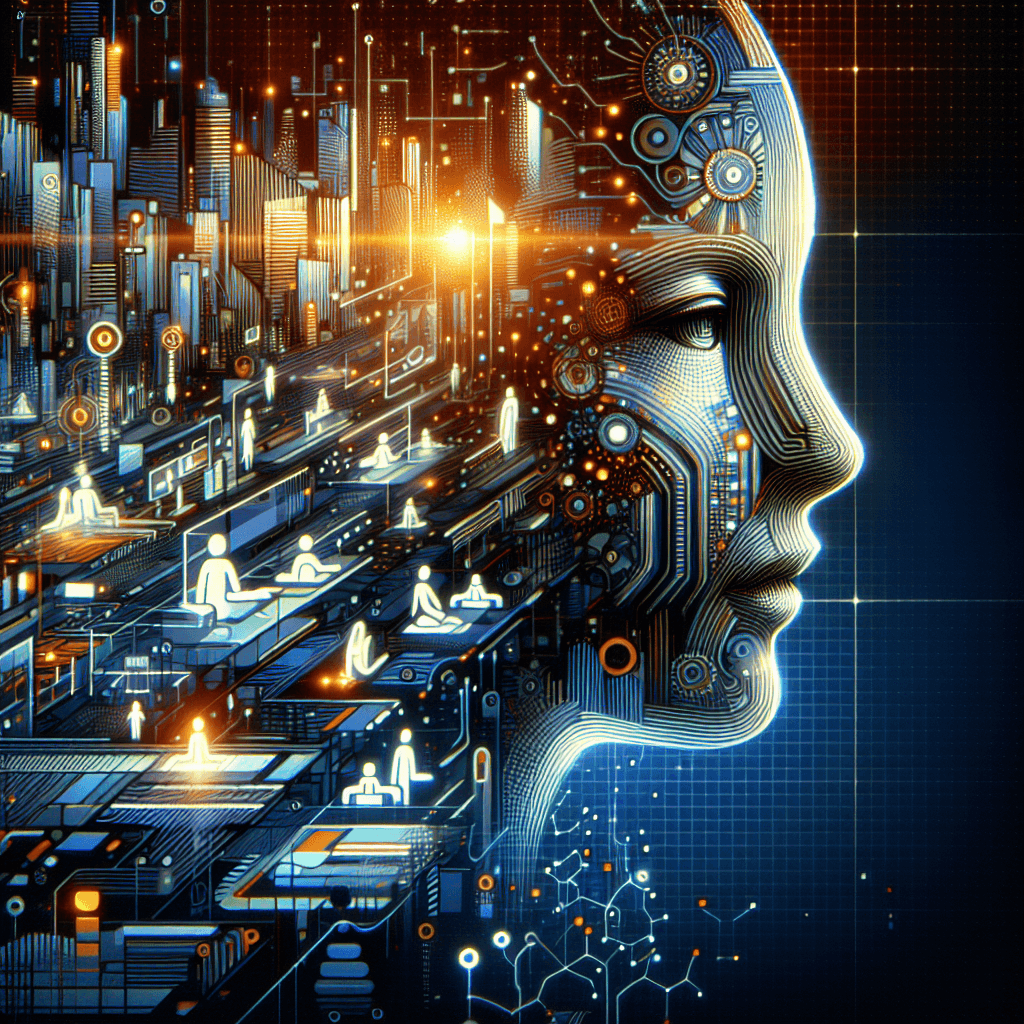
In the midst of the AI revolution transforming business landscapes, one might wonder how artificial intelligence, often seen as a cold, mechanical force, could possibly preserve or even enhance our humanity. This talk explores the paradoxical idea that AI, when harnessed thoughtfully, can safeguard the very essence of what makes us human—our creativity, empathy, and capacity for meaningful connections.
As businesses adopt AI for efficiency and innovation, there's a growing concern about job displacement and dehumanization. However, by reframing AI as a tool to augment human potential, we can ensure it serves humanity rather than supplants it.
AI as a Catalyst for Human Creativity
AI is revolutionizing creative industries by handling repetitive tasks, allowing humans to focus on innovation and originality.
- Automating Mundane Work: Tools like AI-driven design software can generate initial concepts, freeing artists to refine and personalize ideas.
- Enhancing Collaboration: AI platforms enable global teams to brainstorm in real-time, breaking down barriers and fostering diverse perspectives.
- Inspiring New Ideas: Machine learning algorithms analyze vast datasets to suggest novel combinations, sparking human ingenuity in fields like music, art, and product design.
In business, this means companies can innovate faster, but the human touch remains irreplaceable for emotional depth and cultural relevance.
Fostering Empathy Through AI
Contrary to fears of AI eroding social bonds, it can actually amplify empathy in business and society.
Short paragraphs help here: AI-powered analytics can predict customer needs, enabling personalized services that feel genuinely caring. For instance, chatbots with natural language processing offer emotional support in mental health apps, extending human compassion to those in need.
In workplaces, AI tools analyze team dynamics to promote inclusive environments, reducing biases and enhancing understanding among diverse groups.
AI and Ethical Business Transformation
The AI revolution in business isn't just about profits; it's about building ethical frameworks that prioritize human values.
- Sustainable Practices: AI optimizes supply chains to reduce waste, aligning business goals with environmental stewardship—a deeply human concern.
- Fair Decision-Making: Algorithms designed with ethical AI principles can minimize discrimination in hiring and lending, promoting social justice.
- Human-Centric Design: Businesses are shifting towards AI systems that enhance work-life balance, such as predictive scheduling that prevents burnout.
By embedding humanity into AI strategies, companies not only thrive but also contribute to a more equitable world.
Challenges and Safeguards
While AI holds promise, risks like data privacy breaches and algorithmic biases threaten our humanity if unchecked.
To mitigate these:
- Implement robust regulations and transparency in AI development.
- Foster interdisciplinary education to ensure technologists understand human ethics.
- Encourage public discourse on AI's societal impact.
Business leaders must champion these safeguards to ensure AI evolves as a benevolent force.
Conclusion
The AI revolution is reshaping business landscapes, but its true power lies in saving our humanity. By leveraging AI to amplify creativity, empathy, and ethical practices, we can create a future where technology enhances rather than diminishes the human experience. Ultimately, AI's success depends on our commitment to guiding it with human wisdom and values.