The surprising solution to ocean plastic
by David Katz · innovative solutions to combat plastic pollution in our oceans
- plastic
- ocean
- recycling
- economy
- environment
The Surprising Solution to Ocean Plastic
Introduction to the Plastic Pollution Crisis
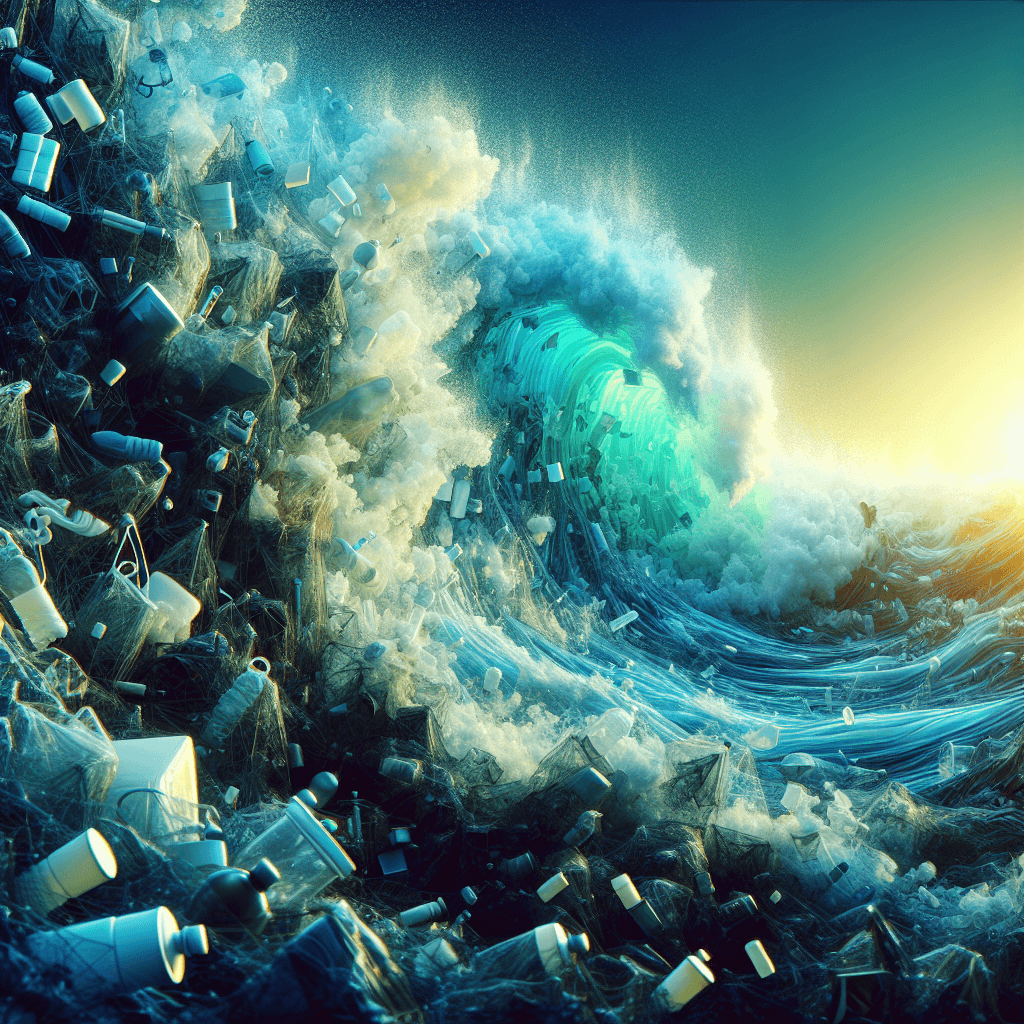
Our oceans are drowning in plastic. Every year, millions of tons of plastic waste enter marine environments, harming wildlife, ecosystems, and even human health. From microplastics infiltrating the food chain to massive garbage patches swirling in ocean gyres, the problem is vast and urgent.
This essay explores innovative solutions to combat ocean plastic pollution, with a focus on a surprising approach that could change the game. Drawing from trending topics in environmental science, we'll delve into why plastic pollution persists and how cutting-edge ideas are making a difference.
The Scope of the Problem
Plastic pollution isn't just an eyesore—it's a global environmental catastrophe. Here's a quick overview:
- Scale: Over 14 million tons of plastic enter the oceans annually, according to the IUCN.
- Impacts: Marine animals ingest or get entangled in plastics, leading to injury or death. Microplastics have been found in seafood, drinking water, and even human blood.
- Sources: Much of it comes from land-based waste, including single-use plastics like bags, bottles, and packaging.
Traditional cleanup methods, like manual collection, are insufficient for the sheer volume. We need innovative, scalable solutions.
Innovative Solutions on the Horizon
Researchers and organizations are pioneering creative ways to tackle this issue. These include:
- Ocean Cleanup Technologies: Projects like The Ocean Cleanup use floating barriers to collect plastic from gyres. Their systems have already removed thousands of tons.
- Advanced Recycling: Chemical recycling breaks plastics down to molecular levels, allowing reuse without quality loss.
- Policy and Prevention: Bans on single-use plastics and extended producer responsibility laws shift the burden to manufacturers.
While these are promising, they often address symptoms rather than root causes. Enter the surprising solution: harnessing nature's own plastic-eaters.
The Surprising Solution: Plastic-Eating Microbes
What if bacteria could devour our plastic waste? This isn't science fiction—it's happening. In 2016, Japanese scientists discovered Ideonella sakaiensis, a bacterium that breaks down PET plastic (used in bottles) using enzymes.
This microbial approach is surprising because it turns a problem into a biological opportunity. Here's why it's revolutionary:
- Efficiency: These microbes can degrade plastics in weeks, compared to centuries in nature.
- Scalability: Engineered enzymes like PETase and MHETase can be produced in labs and applied to waste sites or even integrated into recycling plants.
- Eco-Friendly: Unlike chemical methods, this is biodegradable and produces minimal byproducts, such as water and carbon dioxide.
Companies like Carbios are commercializing enzyme-based recycling, aiming to make infinite plastic loops possible.
Challenges and Future Prospects
Despite the excitement, challenges remain:
- Diversity of Plastics: Not all plastics are PET; solutions must adapt to types like polyethylene and polypropylene.
- Ocean Application: Deploying microbes in open water is tricky due to environmental controls and potential ecosystem impacts.
- Research Needs: More funding is needed to enhance enzyme stability and efficiency.
Looking ahead, combining microbial tech with AI for waste sorting or drone-based collection could amplify results. International collaborations, like the UN's Plastic Treaty, will also play a key role.
Conclusion
The fight against ocean plastic requires bold, innovative thinking. While technologies like ocean cleaners are vital, the surprising power of plastic-eating microbes offers a natural, efficient path forward. By investing in these solutions, we can protect our oceans for future generations. Let's turn the tide on plastic pollution—starting today.