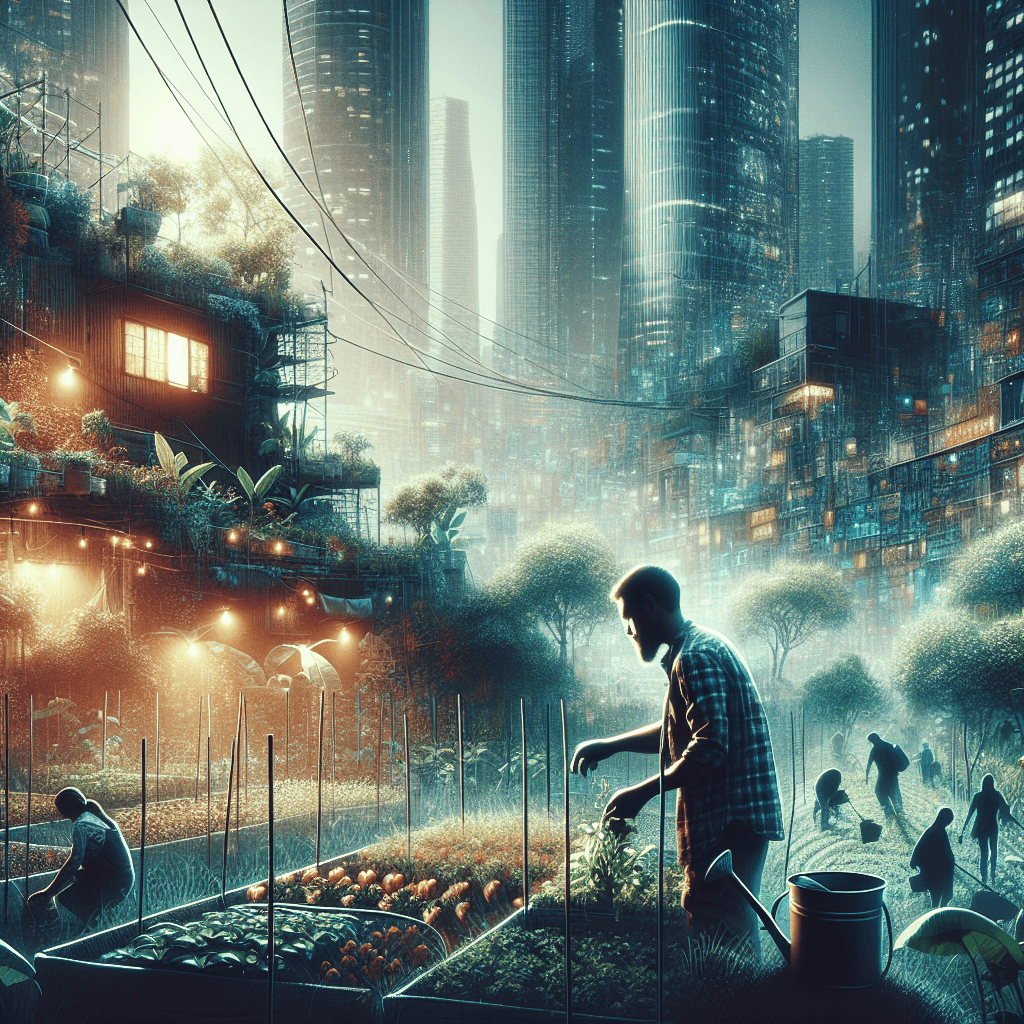
A guerilla gardener in South Central LA
by Ron Finley · the hidden power of urban green spaces in combating climate change
- gardening
- urban
- food
- community
The Hidden Power of Urban Green Spaces in Combating Climate Change
Introduction
Urban green spaces are more than just aesthetic additions to city landscapes; they play a crucial role in mitigating the effects of climate change. From absorbing carbon dioxide to reducing urban heat islands, these areas offer hidden powers that can transform communities. This essay explores this trending topic through the lens of a guerrilla gardener in South Central Los Angeles, highlighting how grassroots efforts can drive environmental change.
What is Guerrilla Gardening?
Guerrilla gardening involves planting and cultivating plants in neglected or underutilized urban spaces without official permission. It's a form of activism that beautifies blighted areas, promotes food security, and combats environmental degradation.
- Origins: The movement gained traction in the 1970s, inspired by community activists reclaiming vacant lots.
- Methods: Gardeners use seed bombs, stealth planting, and community involvement to greenify spaces like sidewalks, abandoned lots, and medians.
- Goals: Beyond aesthetics, it addresses food deserts, biodiversity loss, and climate resilience.
A Guerrilla Gardener in South Central LA: The Story of Ron Finley
Ron Finley, often called the "Gangsta Gardener," is a prominent figure in South Central LA's guerrilla gardening scene. Frustrated by the lack of healthy food options in his neighborhood—a classic food desert—he began planting vegetables on the parkway in front of his home in 2010.
This act of defiance sparked a movement. Despite initial citations from the city, Finley's persistence led to policy changes allowing curb-side gardening. His TED Talk, "A Guerrilla Gardener in South Central LA," has inspired millions, emphasizing that "growing your own food is like printing your own money."
- Projects: Finley founded the Ron Finley Project, which transforms vacant lots into community gardens.
- Impact on Community: His work provides fresh produce, educates youth, and fosters community pride in an area plagued by poverty and violence.
How Urban Green Spaces Combat Climate Change
Urban green spaces like those created by guerrilla gardeners are vital in the fight against climate change. They act as natural carbon sinks, improve air quality, and enhance urban resilience.
In densely populated areas like South Central LA, these spaces help counteract the urban heat island effect, where concrete and asphalt trap heat, exacerbating global warming.
Key Benefits of Urban Green Spaces
The hidden powers of these spaces extend far beyond local beautification. Here's how they contribute to climate action:
- Carbon Sequestration: Trees and plants absorb CO2, reducing greenhouse gas levels. A single mature tree can sequester up to 48 pounds of carbon annually.
- Temperature Regulation: Green areas lower ambient temperatures by providing shade and through evapotranspiration, potentially reducing energy use for cooling by 20-30%.
- Biodiversity Support: They create habitats for pollinators and wildlife, enhancing ecosystem health amid urbanization.
- Stormwater Management: Vegetation absorbs rainfall, mitigating flooding and reducing strain on urban infrastructure.
- Mental and Physical Health: Access to green spaces improves well-being, encouraging sustainable lifestyles that indirectly support climate goals.
In South Central LA, Finley's gardens demonstrate these benefits on a micro scale, turning polluted lots into thriving oases that cool neighborhoods and filter air.
Challenges Faced by Guerrilla Gardeners
Despite their impact, guerrilla gardeners encounter obstacles that highlight systemic issues in urban planning.
- Legal Barriers: Unauthorized planting can lead to fines or removal, as Finley experienced initially.
- Resource Limitations: Access to water, soil, and tools is often scarce in low-income areas.
- Sustainability: Maintaining gardens requires ongoing community involvement, which can wane without support.
- Climate Vulnerabilities: Extreme weather events, intensified by climate change, threaten these fragile green spaces.
Addressing these challenges requires policy reforms, community partnerships, and increased funding for urban greening initiatives.
The Broader Implications and Future Outlook
The story of a guerrilla gardener in South Central LA underscores the potential for individual action to spark widespread change. As cities worldwide grapple with climate change, scaling up urban green spaces could be a game-changer.
Trends show growing support: Cities like New York and Singapore are investing in green infrastructure. In LA, initiatives inspired by Finley are expanding, proving that bottom-up approaches complement top-down policies.
Looking ahead, integrating technology—like smart irrigation and community apps—could enhance these efforts, making urban greening more efficient and inclusive.
Conclusion
Urban green spaces hold immense hidden power in combating climate change, as exemplified by the guerrilla gardening movement in South Central LA. Ron Finley's work reminds us that anyone can plant the seeds of change. By supporting and expanding these initiatives, we can build cooler, healthier, and more resilient cities for future generations. Let's embrace this green revolution—one garden at a time.