How the oceans can clean themselves
by Boyan Slat · innovative solutions to plastic pollution in our oceans
- environment
- innovation
- ocean
- plastic
- pollution
How the Oceans Can Clean Themselves
Introduction to the Plastic Pollution Crisis
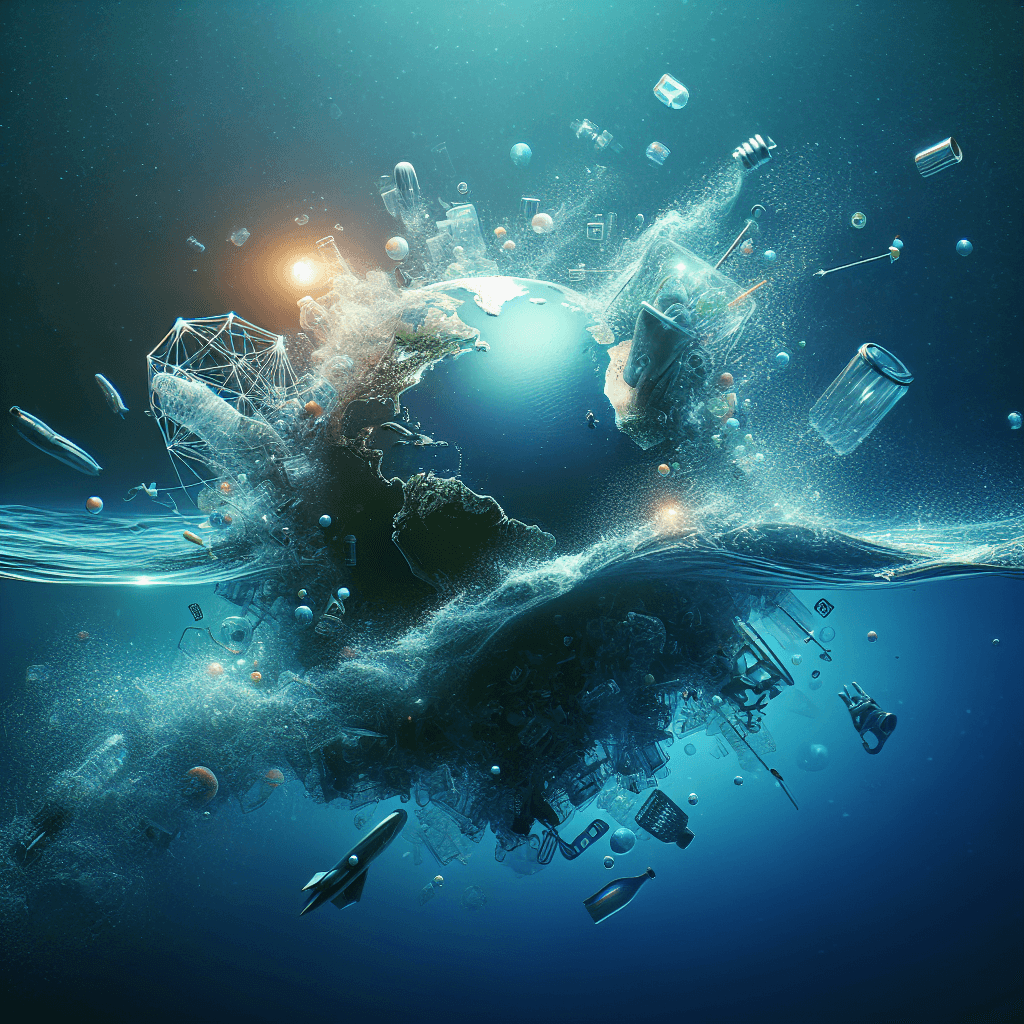
Our oceans are drowning in plastic. Every year, millions of tons of plastic waste enter marine environments, harming wildlife, ecosystems, and human health. This trending topic explores innovative solutions to combat plastic pollution, with a focus on empowering the oceans to 'clean themselves' through natural processes and cutting-edge technologies.
The talk title, "How the Oceans Can Clean Themselves," suggests a shift from human intervention to leveraging the ocean's inherent abilities, amplified by innovation. This essay delves into these solutions, highlighting how we can support the seas in self-purification.
Understanding Plastic Pollution
Plastic pollution originates from land-based sources like littering, industrial waste, and inadequate recycling. Once in the ocean, plastics break down into microplastics, which persist for centuries.
Key impacts include:
- Wildlife Harm: Marine animals ingest or get entangled in plastics, leading to injury or death.
- Ecosystem Disruption: Plastics alter habitats and introduce toxins into the food chain.
- Human Health Risks: Microplastics enter our diet through seafood, potentially causing health issues.
Addressing this requires innovative approaches that go beyond cleanup efforts.
Natural Ocean Cleaning Mechanisms
Oceans have built-in ways to mitigate pollution, which we can enhance. These natural processes form the basis for self-cleaning concepts.
- Biodegradation: Certain marine bacteria and fungi can break down plastics over time. Research shows microbes evolving to digest PET plastics.
- Currents and Gyres: Ocean currents concentrate plastics in gyres, making targeted cleanup feasible.
- Biofiltration: Organisms like mussels and corals filter particles, naturally purifying water.
By understanding these, we can develop solutions that amplify the ocean's resilience.
Innovative Solutions Inspired by Nature
Innovators are creating technologies that mimic or boost the ocean's self-cleaning abilities. These bio-inspired solutions are gaining traction.
Microbial Engineering
Scientists are engineering bacteria to accelerate plastic degradation. For instance:
- Genetically modified microbes that produce enzymes to break down plastics faster.
- Projects like those from the Ocean Cleanup Foundation exploring microbial mats for large-scale degradation.
This approach allows oceans to 'digest' plastics naturally, reducing reliance on mechanical removal.
Autonomous Cleanup Devices
Devices that harness ocean currents for passive cleaning:
- The Ocean Cleanup System: Floating barriers that use natural currents to collect plastics without active propulsion.
- Seabin Project: Floating bins that skim surface debris, powered by water flow.
These innovations let the ocean's energy do the work, embodying the 'self-cleaning' ethos.
Biodegradable Alternatives and Prevention
Preventing pollution at the source supports oceanic self-cleaning:
- Developing plant-based bioplastics that degrade quickly in marine environments.
- AI-driven waste management systems to reduce plastic leakage into oceans.
By replacing persistent plastics, we enable natural breakdown processes to dominate.
Challenges and Future Directions
While promising, these solutions face hurdles:
- Scalability: Deploying microbial solutions across vast oceans is complex.
- Environmental Impact: Engineered organisms must not disrupt ecosystems.
- Policy Needs: Global regulations are essential to curb plastic production.
Future research focuses on integrating AI, robotics, and biotechnology for more efficient self-cleaning mechanisms.
Conclusion
Empowering oceans to clean themselves represents a paradigm shift in environmental stewardship. By combining natural processes with innovative technologies, we can mitigate plastic pollution effectively. This approach not only cleans our seas but also fosters a sustainable harmony between humanity and the marine world. Let's invest in these solutions to ensure healthier oceans for generations to come.