The surprising solution to ocean plastic
by David Katz · innovative solutions to plastic pollution in our oceans
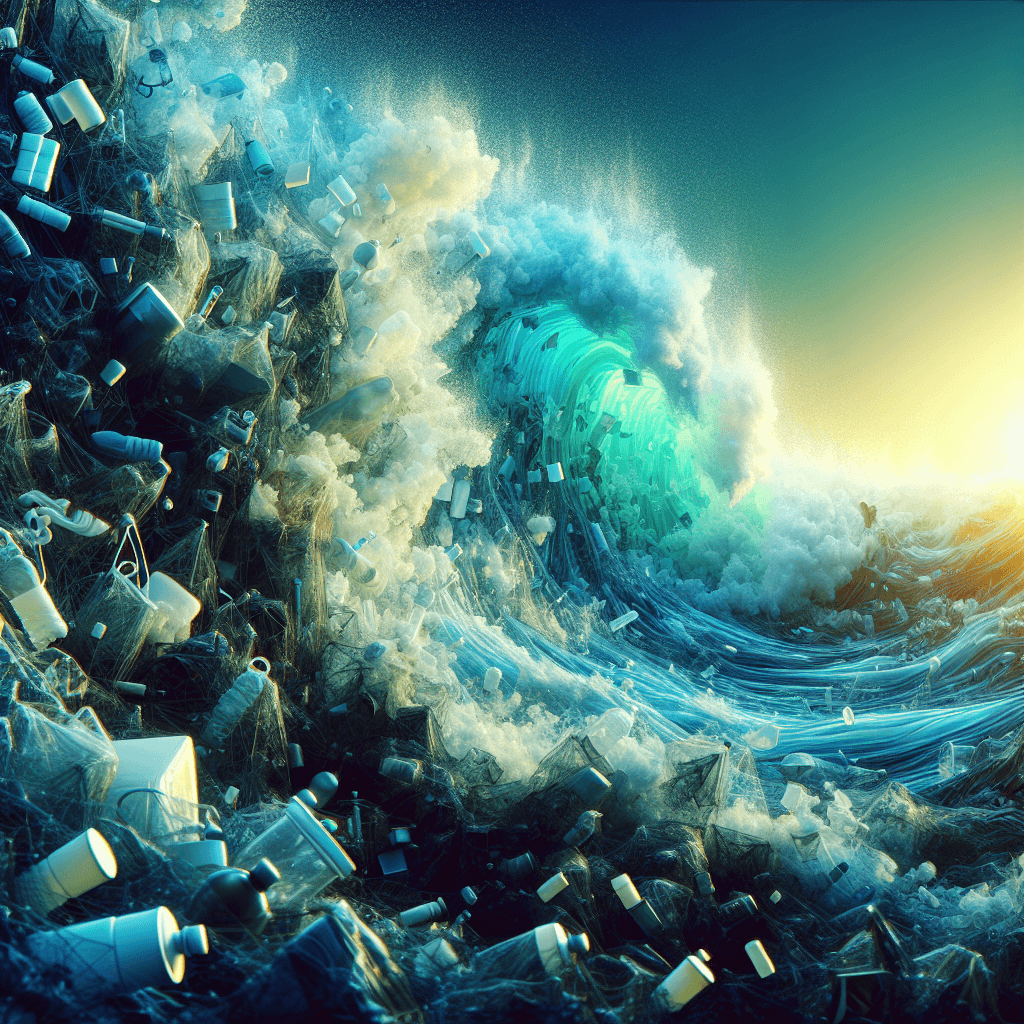
- plastic
- ocean
- recycling
- economy
- environment
The Surprising Solution to Ocean Plastic
Plastic pollution in our oceans is one of the most pressing environmental challenges of our time. Every year, millions of tons of plastic waste enter marine environments, harming wildlife, ecosystems, and even human health. While traditional cleanup efforts like beach cleanups and recycling programs are essential, they often fall short in addressing the scale of the problem. But what if the key to solving ocean plastic lies not in massive machinery or policy changes, but in something far more unexpected: microscopic organisms that can eat plastic?
This talk explores innovative, biology-based solutions to plastic pollution, focusing on a surprising breakthrough that could revolutionize how we tackle this crisis. We'll dive into the science, the potential, and the real-world applications of this game-changing approach.
The Scale of the Ocean Plastic Problem
To understand the surprise, we first need to grasp the problem. Oceans cover over 70% of Earth's surface, yet they've become dumping grounds for human waste.
- Volume of Waste: An estimated 8-14 million tons of plastic enter the oceans annually, equivalent to dumping a garbage truck's worth every minute.
- Impact on Wildlife: Marine animals ingest or get entangled in plastic, leading to injury, starvation, and death. Over 800 species are affected, from seabirds to whales.
- Human Health Risks: Microplastics enter the food chain, potentially carrying toxins into seafood we consume.
Traditional solutions like bans on single-use plastics and international agreements (e.g., the UN's Plastic Treaty) are steps forward, but they don't address existing waste. Enter the surprising hero: plastic-eating microbes.
Discovering Nature's Plastic Eaters
In 2016, scientists in Japan made a groundbreaking discovery at a plastic bottle recycling plant. They found a bacterium called Ideonella sakaiensis that naturally breaks down polyethylene terephthalate (PET), a common plastic used in bottles.
This wasn't engineered in a lab—it evolved in nature. The bacterium uses two enzymes, PETase and MHETase, to digest PET into its basic building blocks, which it then uses as food. This process turns indestructible plastic into biodegradable compounds.
Why is this surprising? Plastics are synthetic materials designed to last forever. The idea that evolution could produce organisms capable of metabolizing them in just decades (since plastics became widespread) challenges our understanding of biology and pollution.
How Plastic-Eating Microbes Work
These microbes aren't magic, but their mechanism is elegantly simple:
- Enzyme Breakdown: PETase attacks the plastic's surface, breaking it into smaller molecules.
- Further Digestion: MHETase then converts those molecules into ethylene glycol and terephthalic acid, harmless substances that microbes can consume.
- Scalability Potential: Researchers have engineered super-enzymes that work faster, degrading PET in days instead of centuries.
Similar discoveries include plastic-eating fungi like Aspergillus tubingensis and worms (like waxworms) whose gut bacteria can digest polyethylene. These organisms offer a blueprint for bioremediation—using nature to clean up our mess.
Real-World Applications and Innovations
Turning this surprise into solutions requires innovation. Here's how it's being applied:
- Enzyme-Based Recycling: Companies like Carbios are developing industrial processes where enzymes break down plastics for reuse, reducing the need for virgin materials.
- Ocean Cleanup Integration: Imagine drones or barriers equipped with microbial films that degrade captured plastic on-site, minimizing transport costs.
- Wastewater Treatment: Microbes could be introduced into rivers (major sources of ocean plastic) to prevent pollution at the source.
Pilot projects in places like the Great Pacific Garbage Patch are testing these ideas, combining microbial tech with projects like The Ocean Cleanup's floating barriers.
Challenges and the Path Forward
While promising, this solution isn't without hurdles:
- Efficiency Issues: Current enzymes work best on specific plastics and under controlled conditions, not in salty, cold ocean waters.
- Ecological Risks: Releasing engineered microbes into the wild could have unintended consequences, like disrupting ecosystems.
- Scalability: Producing enzymes at scale requires investment and infrastructure.
Overcoming these will need global collaboration, funding for research, and ethical guidelines. Organizations like the Ellen MacArthur Foundation are pushing for a circular economy where such innovations thrive.
Why This Matters: A Call to Action
The surprising solution of plastic-eating microbes reminds us that nature often holds the answers to human-made problems. By harnessing these tiny allies, we can shift from merely managing plastic pollution to eliminating it.
What can you do? Support eco-friendly policies, reduce personal plastic use, and stay informed about breakthroughs. Together, we can turn the tide on ocean plastic—one microbe at a time.
For more on this topic, explore resources from the Ocean Conservancy or scientific journals like Nature.