Older
Tuesday, March 17, 2026
Newer

Digest for 3/17/2026

Explore trending topics with matching TED talks and AI insights

3 Topics • 6 Talks

Trending Topics

Featured TED Talks

The Mental Health Revolution: AI and Personalized Therapy
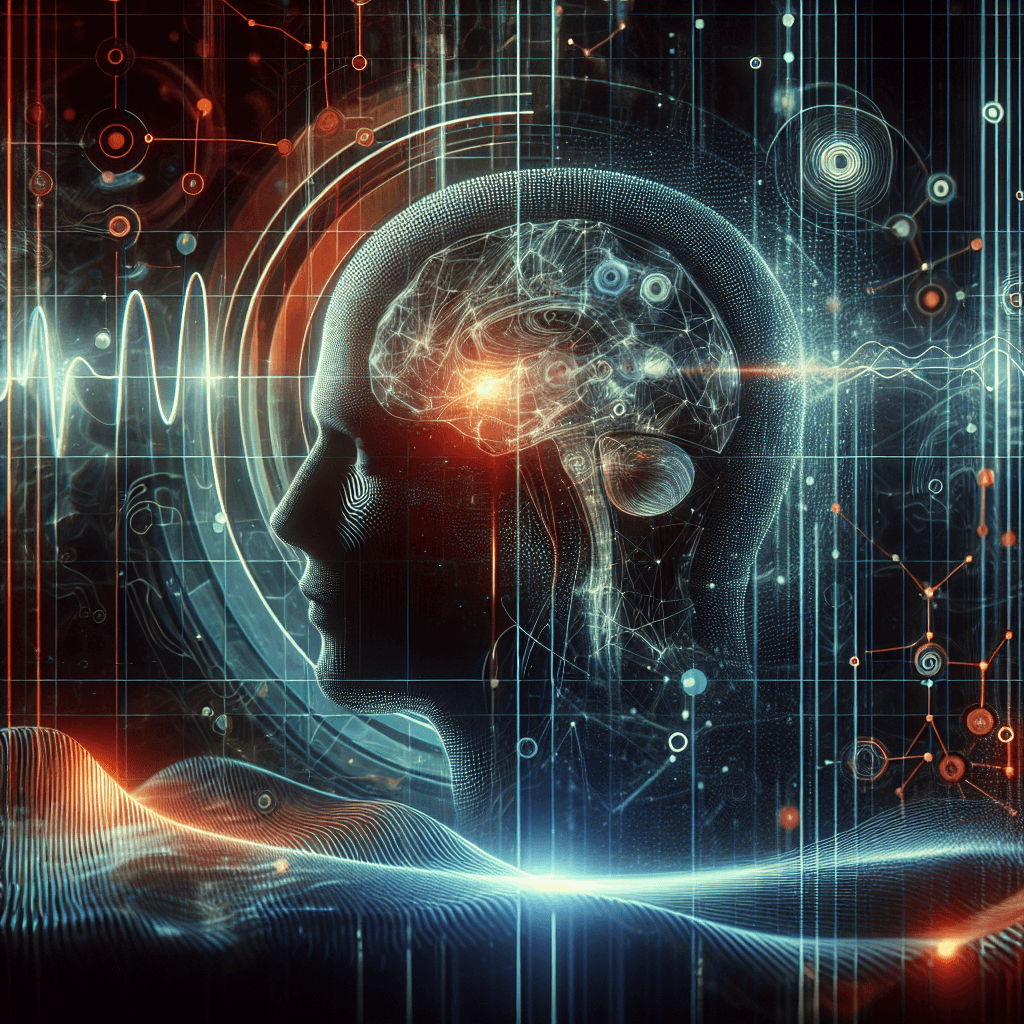
Thomas Insel discusses how advancements in brain science and technology are transforming our approach to mental illnesses, paving the way for innovative treatments.

Summary

Thomas Insel's TED talk reframes mental illnesses as brain disorders, emphasizing early detection and intervention like other medical conditions. This connects to the mental health revolution, where AI enables personalized therapy by analyzing individual data for tailored treatments.

"We can do for brain disorders what we've done for cancer and heart disease: detect early and intervene early."

Discuss: How might AI-driven personalized therapy transform the early intervention strategies Insel proposes for mental health?

The Mental Health Revolution: AI and Personalized Therapy

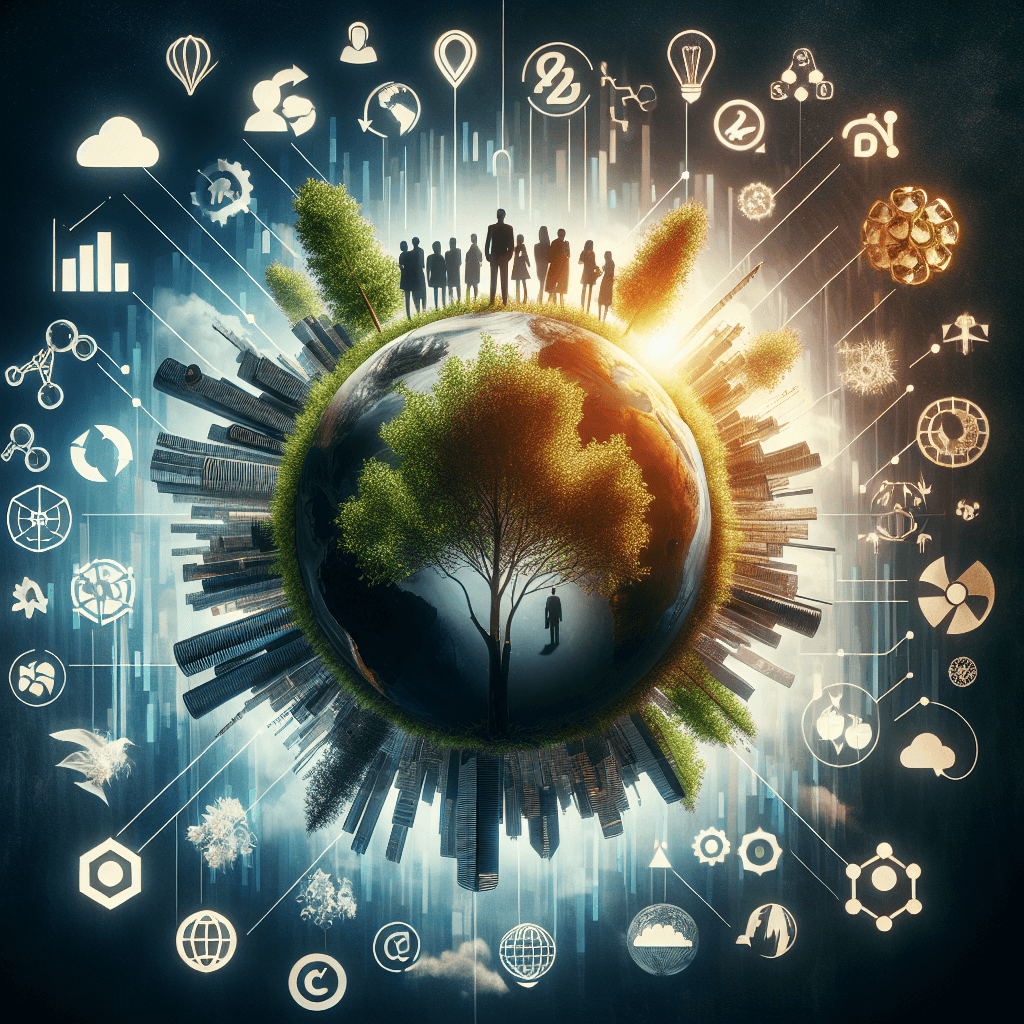
Demonstrates AlterEgo, a device that reads your inner voice, showing how AI can interface directly with thoughts, with potential applications in personalized mental health therapy.

Summary

Arnav Kapur's TED talk on AI as a mind extension, featuring the AlterEgo device for silent thought-based computing, ties into the mental health revolution by enabling personalized AI therapy that directly interfaces with users' cognition for tailored mental support.

"We can create a seamless interface between the human brain and AI, making it an extension of our own mind."

Discuss: How could AI mind extensions revolutionize personalized therapy for mental health issues like anxiety or depression?

Unlocking Longevity: Breakthroughs in Anti-Aging Science

Cambridge researcher Aubrey de Grey argues that aging is merely a disease — and a curable one at that, outlining strategies to extend healthy human life.

Summary

Aubrey de Grey's TED talk 'A roadmap to end aging' presents a bold strategy to defeat aging by repairing cellular damage, mirroring the trending breakthroughs in anti-aging science that promise extended human longevity through innovative therapies.

"Aging is not a mysterious process; it's a side effect of being alive, and we can intervene."

Discuss: What ethical concerns arise if anti-aging treatments become widely available?

Unlocking Longevity: Breakthroughs in Anti-Aging Science

What makes our bodies age ... our skin wrinkle, our hair turn white, our immune systems weaken? Biologist Elizabeth Blackburn shares a Nobel Prize for her work finding out the answer, with the discovery of telomerase: an enzyme that replenishes the caps at the end of chromosomes, which break down when cells divide.

Summary

Elizabeth Blackburn's TED talk on telomeres and telomerase, the enzyme that prevents cellular aging, aligns with breakthroughs in anti-aging science by revealing how chromosome caps influence lifespan and potential interventions for longevity.

"Telomeres are the caps at the end of each strand of DNA that protect our chromosomes, like the plastic tips at the end of shoelaces."

Discuss: What lifestyle changes could help maintain telomere length and promote healthy aging?

Climate Change and Human Health: The Invisible Threat

For all that's ever been said about climate change, we haven't heard nearly enough about the psychological impacts of living in such an uncertain time. TED Fellow Britt Wray shares insights on 'climate grief' and how it affects our mental health.

Summary

Britt Wray's TED talk delves into the psychological impacts of climate change, such as eco-anxiety, grief, and trauma, directly linking to the trending topic of climate change as an invisible threat to human health by emphasizing its often-overlooked mental health consequences.

"Climate breakdown is not just an environmental crisis—it's a mental health crisis too."

Discuss: In what ways do you think addressing mental health can strengthen climate action efforts?

Climate Change and Human Health: The Invisible Threat

Public health researcher Kristie Ebi explains how rising CO2 levels are reducing the nutritional value of staple crops, potentially leading to widespread malnutrition and health issues.

Summary

Kristie Ebi's TED talk 'How climate change could make our food less nutritious' directly addresses the trending topic of Climate Change and Human Health: The Invisible Threat by explaining how rising CO2 levels diminish the nutritional content of staple crops, leading to hidden health risks like increased malnutrition and disease vulnerability worldwide.

"Higher concentrations of carbon dioxide are making our crops grow faster, but they're also making them less nutritious."

Discuss: In what ways could declining food nutrition due to climate change exacerbate global health inequalities?