Connected, but alone?
by Sherry Turkle · the future of human connection in an ai-driven society
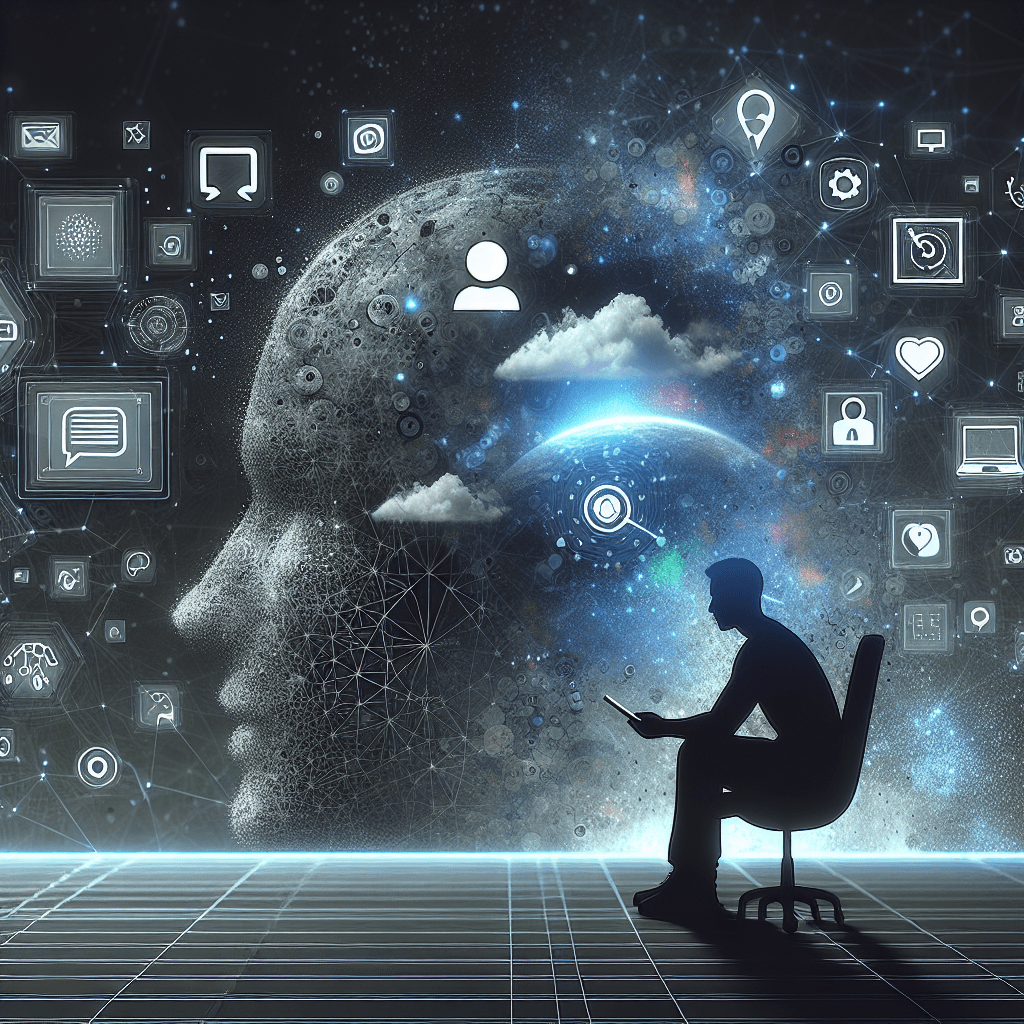
- technology
- social media
- psychology
- relationships
Connected, but Alone? The Future of Human Connection in an AI-Driven Society
Introduction
In an era where artificial intelligence permeates every aspect of our lives, from virtual assistants to social media algorithms, a profound question arises: Are we more connected than ever, or are we drifting into isolation? This essay explores the paradox of human connection in an AI-driven society, examining how technology enhances interactions while potentially eroding genuine relationships.
The Rise of AI in Daily Connections
AI has revolutionized how we communicate. Tools like chatbots, recommendation engines, and virtual reality platforms promise seamless connectivity across distances.
- Social Media Algorithms: These curate our feeds, connecting us with like-minded individuals but often creating echo chambers.
- Virtual Assistants: Devices like Siri or Alexa handle tasks, reducing the need for human interaction in routine matters.
- Dating Apps: AI matches potential partners based on data, streamlining romance but sometimes superficializing it.
While these innovations bridge gaps, they raise concerns about the depth of our bonds.
The Illusion of Connectivity
Despite constant digital access, many report feeling lonelier. AI facilitates quantity over quality in interactions.
Short, fragmented communications via texts or emojis replace meaningful conversations. Studies show increased screen time correlates with higher rates of anxiety and depression, suggesting that virtual connections may not fulfill our innate need for empathy and physical presence.
Benefits of AI-Enhanced Relationships
AI isn't all detrimental; it can foster deeper connections in unexpected ways.
- Accessibility for the Isolated: AI companions provide support for the elderly or those with disabilities, combating loneliness.
- Global Collaboration: AI tools enable cross-cultural exchanges, breaking down geographical barriers.
- Personalized Experiences: Algorithms help tailor interactions, making them more relevant and engaging.
These positives highlight AI's potential to augment, rather than replace, human ties.
Risks and Challenges
However, over-reliance on AI poses risks to authentic human connection.
- Erosion of Empathy: Interacting with non-human entities might dull our ability to read emotional cues.
- Privacy Concerns: AI's data collection can lead to manipulative interactions, undermining trust.
- Digital Divide: Not everyone has equal access to AI technologies, exacerbating social inequalities.
Addressing these requires mindful integration of AI into our social fabric.
Pathways to Balanced Connection
To navigate this future, we must prioritize human-centric AI design.
Strategies include:
-
Promoting Digital Literacy: Educating users on healthy tech habits to maintain real-world relationships.
-
Ethical AI Development: Ensuring AI enhances empathy rather than exploiting vulnerabilities.
-
Hybrid Approaches: Combining AI with face-to-face interactions, like virtual reality meetups leading to in-person gatherings.
By fostering awareness, we can harness AI to enrich, not diminish, our connections.
Conclusion
The future of human connection in an AI-driven society hinges on our choices. Will we allow technology to isolate us, or use it to deepen our bonds? Embracing AI thoughtfully can lead to a world where we're truly connected, not just digitally linked but emotionally intertwined. The key lies in remembering that behind every algorithm is a human heart seeking genuine interaction.