A roadmap for sustainable energy
by Amory Lovins · sustainable tech innovations combating climate change
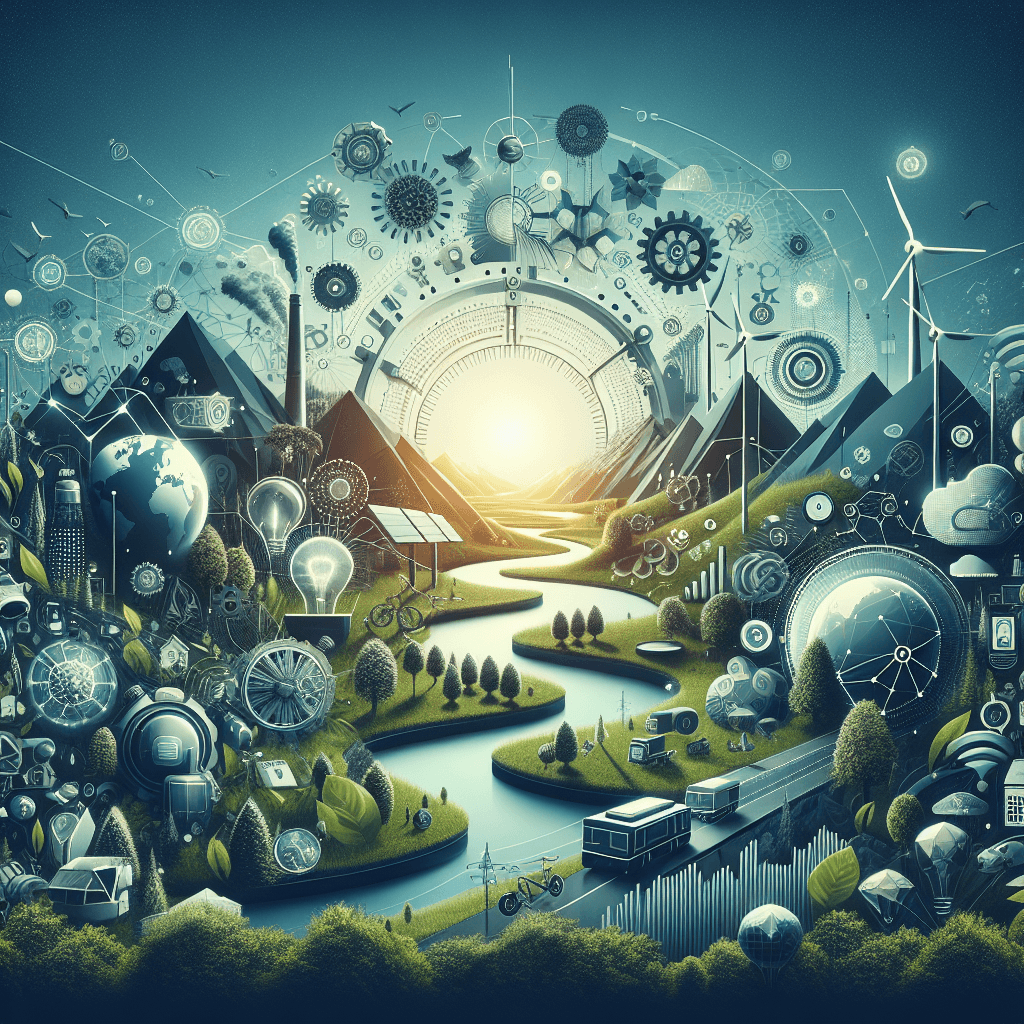
- energy
- sustainability
- environment
- innovation
A Roadmap for Sustainable Energy
Introduction to Sustainable Energy
In the face of escalating climate change, sustainable energy stands as a beacon of hope. This roadmap explores innovative technologies and strategies that pave the way for a greener future. By transitioning from fossil fuels to renewable sources, we can significantly reduce carbon emissions and mitigate environmental damage.
Sustainable energy encompasses a variety of sources, including solar, wind, hydro, and geothermal power. These innovations not only combat climate change but also promote energy security and economic growth.
The Urgency of Climate Action
Climate change poses severe threats, from rising sea levels to extreme weather events. According to the IPCC, global temperatures could rise by 1.5°C as early as 2030 without drastic measures.
Sustainable tech innovations are crucial in this battle. They offer scalable solutions to decarbonize energy systems, making it imperative to adopt a clear roadmap for implementation.
Key Sustainable Tech Innovations
Several groundbreaking technologies are driving the shift toward sustainable energy. Here's a look at some of the most promising ones:
- Solar Power Advancements: Innovations like perovskite solar cells and floating solar farms increase efficiency and reduce costs.
- Wind Energy Developments: Offshore wind turbines and bladeless designs harness wind more effectively, even in urban areas.
- Energy Storage Solutions: Advanced batteries, such as solid-state and flow batteries, store renewable energy for consistent supply.
- Smart Grids: AI-integrated grids optimize energy distribution, reducing waste and integrating renewables seamlessly.
- Hydrogen Fuel: Green hydrogen produced via electrolysis offers a clean alternative for heavy industries and transportation.
These technologies are not just theoretical; they're being deployed worldwide, from massive solar parks in China to wind farms in Europe.
Building the Roadmap: Steps to Implementation
A successful transition requires a structured approach. This roadmap outlines key phases:
Phase 1: Assessment and Planning
Evaluate current energy infrastructure and set ambitious yet achievable goals. Governments and businesses should conduct audits to identify areas for improvement.
Phase 2: Investment in R&D
Pour resources into research and development. Incentives like tax credits can accelerate innovation in sustainable tech.
Phase 3: Infrastructure Development
Build necessary infrastructure, such as expanding grid networks and installing charging stations for electric vehicles.
Phase 4: Policy and Regulation
Enact supportive policies, including carbon pricing and subsidies for renewables, to create a favorable environment.
Phase 5: Global Collaboration
Foster international partnerships to share knowledge and resources, ensuring equitable access to sustainable energy worldwide.
Challenges and Solutions
Despite progress, hurdles remain. High initial costs and intermittency of renewables are common issues.
Solutions include:
- Financial Mechanisms: Green bonds and public-private partnerships to fund projects.
- Technological Integration: Hybrid systems combining multiple renewables for reliability.
- Education and Awareness: Public campaigns to build support and encourage adoption.
Addressing these challenges head-on will smooth the path to sustainability.
Conclusion: A Brighter Future
The roadmap for sustainable energy is not just a plan—it's a necessity for planetary health. By embracing these innovations, we can combat climate change effectively and build a resilient world.
Let's commit to this journey, leveraging technology to ensure a sustainable legacy for generations to come.