This app knows how you feel — from the look on your face
by Rana el Kaliouby · the mental health revolution: harnessing ai for emotional well-being
- AI
- technology
- emotions
- mental health
The Mental Health Revolution: Harnessing AI for Emotional Well-Being
Introduction to the Trending Topic
In recent years, mental health has emerged as a critical global concern, with increasing awareness and destigmatization efforts. The "Mental Health Revolution" refers to innovative approaches that leverage technology, particularly artificial intelligence (AI), to enhance emotional well-being. This movement aims to make mental health support more accessible, personalized, and proactive.
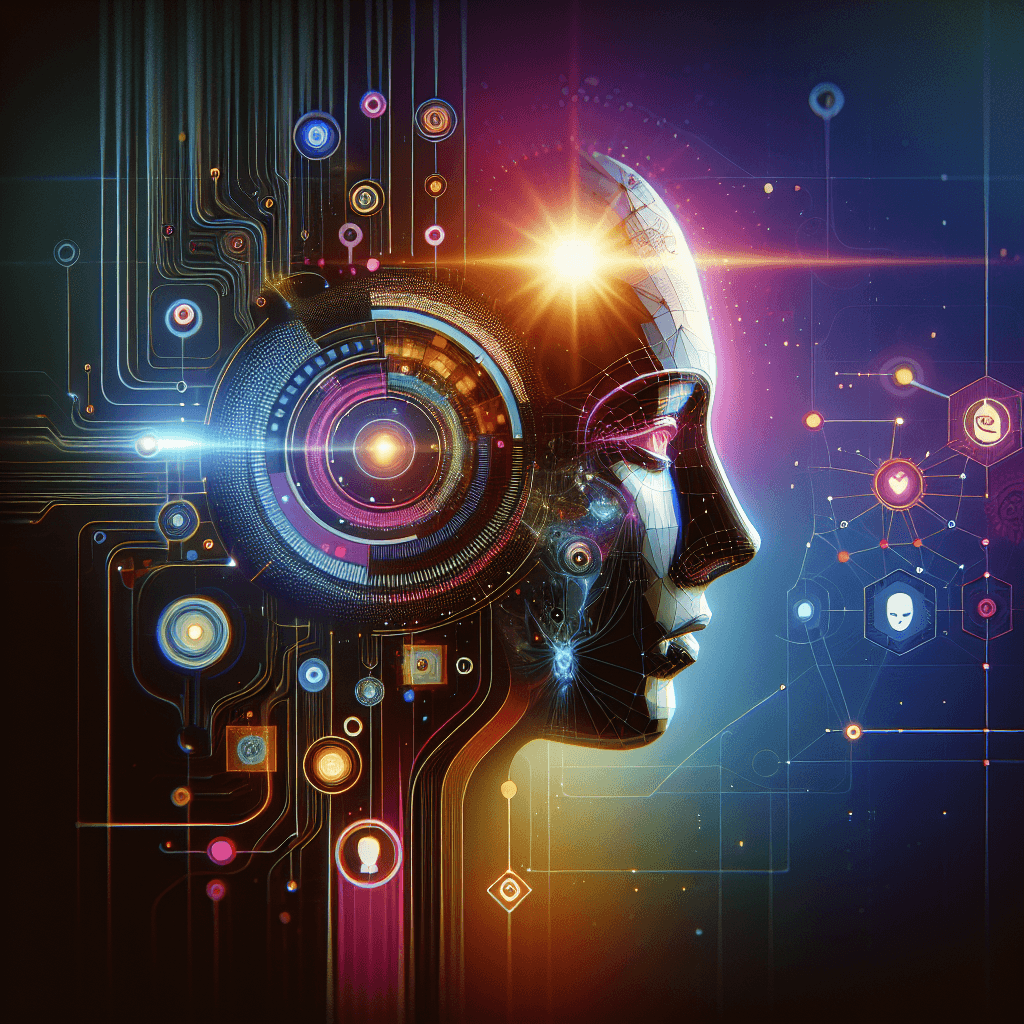
One exciting development in this revolution is the integration of AI into everyday tools, such as mobile apps, that can detect and respond to users' emotions in real-time. This brings us to the talk title: "This app knows how you feel — from the look on your face." It highlights apps that use facial recognition technology to analyze expressions and infer emotional states.
How the App Works
These AI-powered apps typically rely on advanced computer vision and machine learning algorithms to interpret facial cues. Here's a breakdown of the core mechanics:
- Facial Recognition Technology: The app accesses the device's camera to capture live video or images of the user's face.
- Emotion Detection Algorithms: Using models trained on vast datasets of facial expressions, the AI identifies subtle changes in features like eyebrows, mouth, and eyes to detect emotions such as happiness, sadness, anger, or stress.
- Real-Time Feedback: Once an emotion is detected, the app provides immediate responses, such as mood-tracking insights, coping suggestions, or alerts for potential mental health concerns.
For example, an app might notice signs of anxiety through furrowed brows and rapid blinking, then suggest breathing exercises or connect the user to a virtual therapist.
Benefits for Emotional Well-Being
Harnessing AI in this way offers numerous advantages in the realm of mental health:
- Accessibility: Users in remote areas or those hesitant to seek traditional therapy can access support anytime, anywhere.
- Personalization: AI tailors recommendations based on individual patterns, making interventions more effective.
- Early Intervention: By detecting emotional shifts early, the app can prevent escalation into more serious issues like depression or burnout.
- Data-Driven Insights: Over time, the app compiles data to help users understand their emotional triggers and habits, fostering self-awareness.
Studies have shown that such tools can reduce symptoms of anxiety and improve overall mood when used consistently.
Potential Concerns and Ethical Considerations
While promising, this technology isn't without challenges. It's important to address these to ensure responsible use:
- Privacy Issues: Facial data is sensitive; apps must prioritize secure storage and user consent to prevent misuse.
- Accuracy Limitations: AI may misinterpret expressions due to cultural differences, lighting conditions, or individual variations, leading to incorrect assessments.
- Over-Reliance: Users might depend too heavily on the app, potentially delaying professional help for severe conditions.
- Bias in AI Models: If training data lacks diversity, the app could perform poorly for certain demographics, exacerbating inequalities in mental health care.
Developers are working on solutions like transparent algorithms and user-controlled data sharing to mitigate these risks.
The Future of AI in Mental Health
Looking ahead, the integration of facial emotion recognition into apps is just the beginning of the mental health revolution. Future advancements might include:
- Integration with Wearables: Combining facial data with heart rate or voice analysis for a holistic emotional profile.
- AI Companions: Virtual assistants that not only detect emotions but also engage in therapeutic conversations.
- Global Impact: Scaling these tools to support underserved populations, potentially reducing the global mental health burden.
As AI evolves, it could transform mental health care from reactive to preventive, empowering individuals to take charge of their emotional well-being.
Conclusion
The app that "knows how you feel from the look on your face" exemplifies the exciting intersection of AI and mental health. By making emotional support intuitive and immediate, it contributes to a broader revolution aimed at fostering a healthier, more resilient society. However, balancing innovation with ethical safeguards will be key to its success. Embracing this technology thoughtfully could lead to profound improvements in how we understand and manage our emotions.