Toward a new understanding of mental illness
by Thomas Insel · the mental health revolution: harnessing ai for emotional well-being
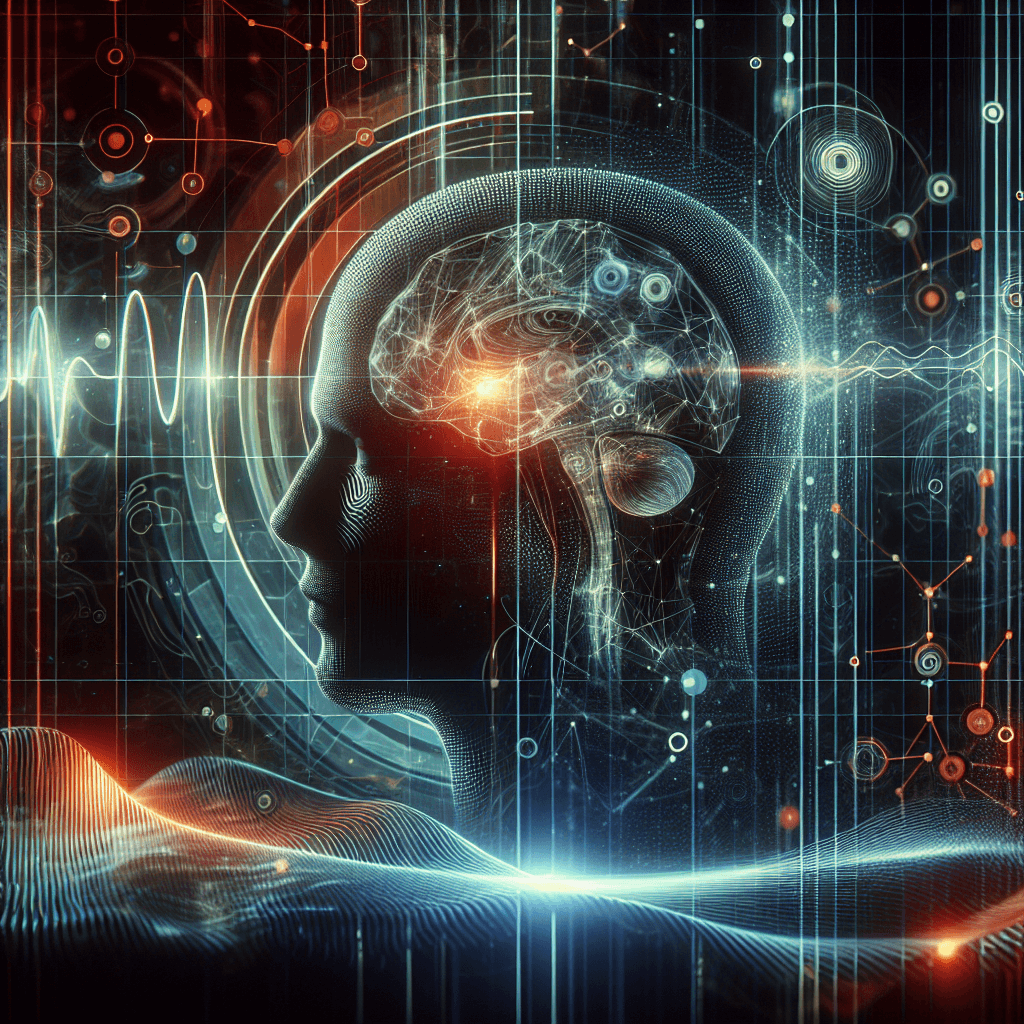
- mental health
- brain science
- technology
Toward a New Understanding of Mental Illness
Introduction
In the era of the Mental Health Revolution, artificial intelligence (AI) is transforming how we perceive and address mental illness. The trending topic "The Mental Health Revolution: Harnessing AI for Emotional Well-Being" highlights innovative ways technology can support mental health. This essay explores a shift toward a new understanding of mental illness, emphasizing AI's role in redefining diagnosis, treatment, and prevention.
Mental illness has long been viewed through a lens of stigma and mystery. Traditional models often focus on symptoms and biological factors, but AI offers tools to uncover deeper patterns and personalized insights. By integrating data from various sources, AI promises a more holistic and proactive approach.
Current Challenges in Understanding Mental Illness
Mental health disorders affect millions worldwide, yet our understanding remains incomplete. Conventional methods rely heavily on self-reported symptoms and clinical observations, which can be subjective and inconsistent.
- Stigma and Misdiagnosis: Many individuals avoid seeking help due to societal stigma, leading to underdiagnosis or misdiagnosis.
- Limited Access: Rural or underserved areas often lack mental health professionals, exacerbating inequalities.
- Complexity of Disorders: Conditions like depression or anxiety involve intricate interactions between genetics, environment, and lifestyle, making them hard to pinpoint.
These challenges underscore the need for innovative solutions. AI steps in by analyzing vast datasets to reveal hidden correlations and predict outcomes more accurately.
AI's Role in Revolutionizing Mental Health
AI is at the forefront of the mental health revolution, offering tools that enhance emotional well-being. From chatbots providing instant support to predictive algorithms identifying at-risk individuals, technology is bridging gaps in traditional care.
Diagnostic Advancements
AI-powered diagnostics use machine learning to analyze speech patterns, facial expressions, and even social media activity for early signs of mental illness.
- Natural Language Processing (NLP): Tools like sentiment analysis detect emotional states from text or voice, aiding in identifying depression or suicidal ideation.
- Wearable Integration: Devices track physiological data, such as heart rate variability, to flag anxiety or stress episodes.
This data-driven approach moves beyond subjective assessments, fostering a more objective understanding of mental states.
Personalized Treatment Plans
Gone are the days of one-size-fits-all therapies. AI tailors interventions based on individual profiles.
- Virtual Therapists: Apps like Woebot use cognitive behavioral therapy (CBT) techniques to offer 24/7 support.
- Predictive Analytics: Algorithms forecast treatment responses, helping clinicians choose the most effective medications or therapies.
By harnessing big data, AI empowers users to take control of their mental health journey.
Ethical Considerations and Challenges
While AI holds immense promise, it's not without hurdles. Ensuring ethical use is crucial to avoid pitfalls.
- Privacy Concerns: Handling sensitive mental health data requires robust security to prevent breaches.
- Bias in Algorithms: If trained on skewed datasets, AI could perpetuate inequalities, such as underrepresenting certain demographics.
- Overreliance on Technology: AI should complement, not replace, human empathy and professional care.
Addressing these issues through regulations and inclusive development will be key to sustainable progress.
The Future of Mental Health with AI
Looking ahead, AI could lead to a paradigm shift where mental illness is understood as a spectrum rather than discrete categories. Preventive measures, powered by AI, might identify vulnerabilities before symptoms arise.
Imagine a world where AI companions normalize mental health check-ins, much like fitness trackers do for physical health. This integration could destigmatize mental illness, promoting widespread emotional well-being.
Conclusion
The journey toward a new understanding of mental illness is intertwined with the Mental Health Revolution. By harnessing AI, we can move from reactive treatments to proactive, personalized care. As technology evolves, it offers hope for a future where mental health is prioritized, accessible, and free from stigma. Embracing these innovations responsibly will pave the way for healthier societies worldwide.