A roadmap for sustainable energy
by Amory Lovins · sustainable tech innovations for a greener planet
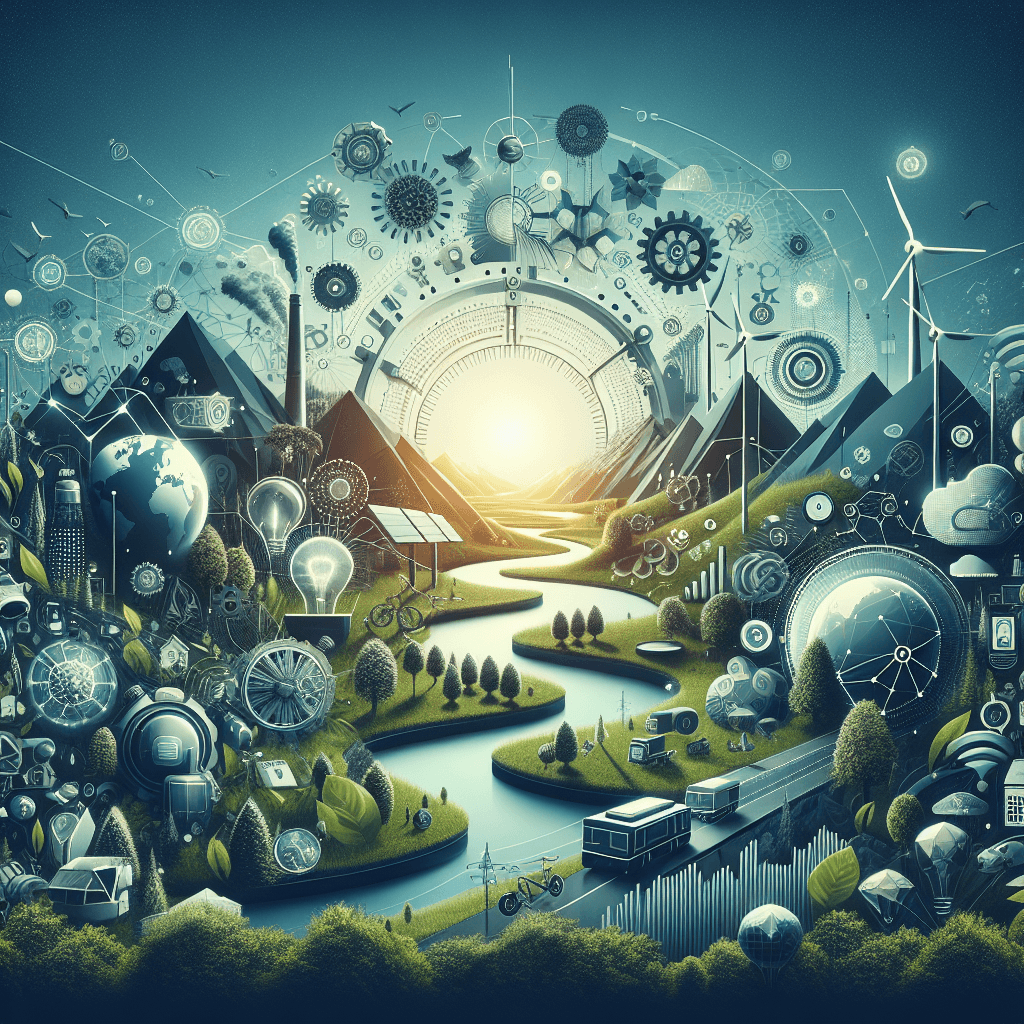
- energy
- sustainability
- environment
- innovation
A Roadmap for Sustainable Energy
Introduction to Sustainable Energy
Sustainable energy refers to energy sources that are renewable, environmentally friendly, and capable of meeting current needs without compromising future generations. In the context of sustainable tech innovations, this roadmap outlines a path toward a greener planet by transitioning from fossil fuels to cleaner alternatives.
The urgency for this shift is driven by climate change, rising global temperatures, and the depletion of non-renewable resources. Innovations in technology are paving the way for efficient, scalable solutions that can power our world responsibly.
Key Pillars of Sustainable Energy
A successful roadmap must be built on foundational pillars. These include:
- Renewable Sources: Harnessing solar, wind, hydro, and geothermal energy.
- Energy Efficiency: Reducing waste through smart technologies and better infrastructure.
- Storage and Distribution: Advancing batteries and grid systems for reliable supply.
- Policy and Education: Encouraging adoption through regulations and awareness.
By focusing on these areas, we can create a balanced ecosystem for energy production and consumption.
Current Innovations Driving Change
Technological advancements are accelerating the transition to sustainable energy. Solar photovoltaic (PV) panels have become more efficient and affordable, with innovations like perovskite cells promising even higher yields.
Wind energy is evolving with offshore turbines and floating platforms that tap into stronger, more consistent winds. Additionally, smart grids integrated with AI optimize energy distribution, minimizing losses and integrating renewables seamlessly.
Battery storage solutions, such as lithium-ion and emerging solid-state batteries, are crucial for storing intermittent renewable energy, ensuring power availability around the clock.
Step-by-Step Roadmap
To achieve a sustainable energy future, follow this phased approach:
Phase 1: Assessment and Planning
Assess current energy usage and identify areas for improvement. Governments and businesses should set ambitious yet achievable targets, like net-zero emissions by 2050.
Phase 2: Investment in Infrastructure
Invest in building renewable energy farms, upgrading grids, and developing storage facilities. Public-private partnerships can accelerate this process.
Phase 3: Technological Integration
Integrate innovations such as IoT for energy management and AI for predictive maintenance. Pilot projects in cities can demonstrate scalability.
Phase 4: Monitoring and Adaptation
Continuously monitor progress with data analytics. Adapt strategies based on feedback, incorporating new technologies as they emerge.
Challenges and Solutions
Despite progress, challenges remain. High initial costs can deter adoption, but subsidies and incentives can mitigate this. Intermittency of renewables requires robust storage solutions, which are advancing rapidly.
Public resistance due to misinformation can be addressed through education campaigns highlighting benefits like job creation and health improvements from reduced pollution.
Benefits of a Sustainable Energy Future
Embracing this roadmap offers numerous advantages:
- Environmental Impact: Significant reduction in greenhouse gas emissions.
- Economic Growth: Creation of green jobs and energy independence.
- Health and Well-being: Cleaner air leading to fewer respiratory diseases.
- Global Equity: Affordable energy access for developing nations.
Conclusion
The roadmap for sustainable energy is not just a plan—it's a necessity for a greener planet. By leveraging tech innovations and committing to this path, we can ensure a resilient, eco-friendly energy landscape. Let's act now to power tomorrow sustainably.