How AI Can Save Our Humanity
by Kai-Fu Lee · the ai revolution: transforming business strategies
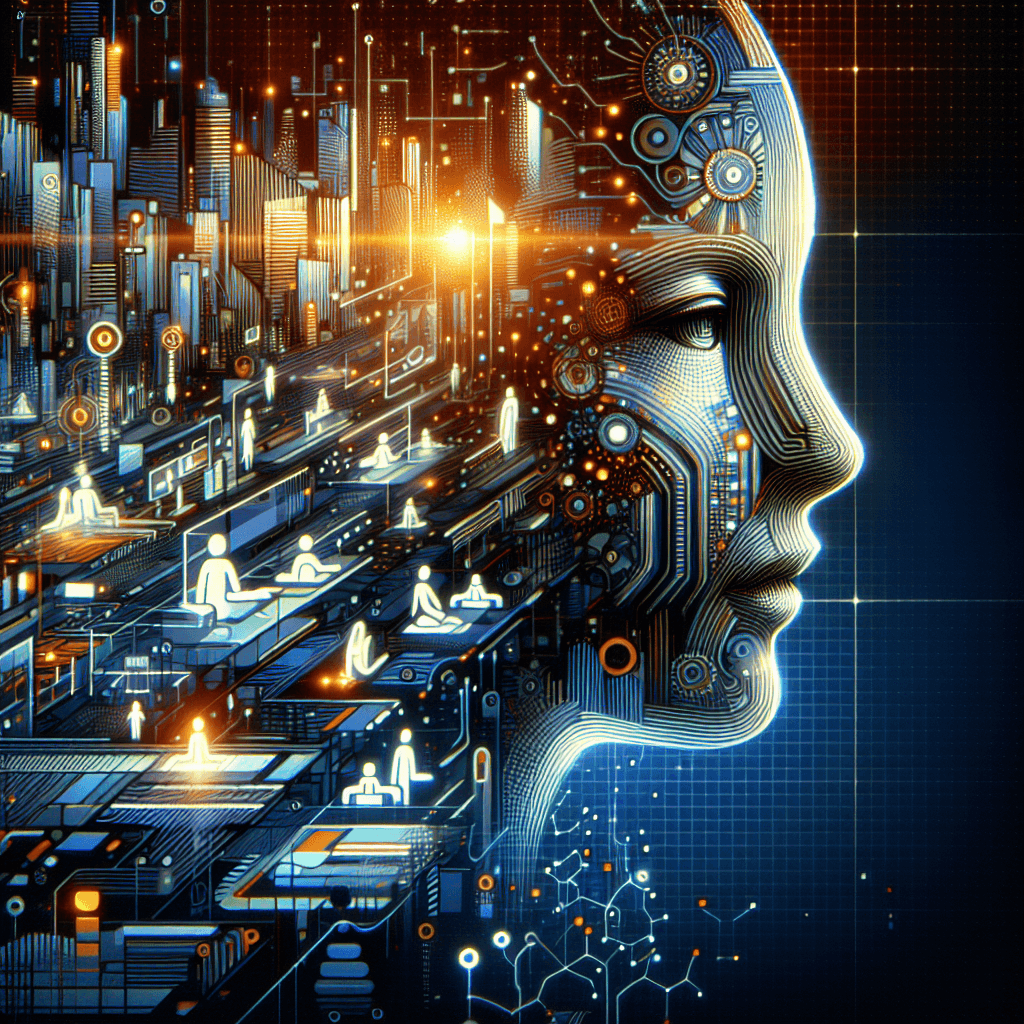
- AI
- technology
- future
- jobs
- economy
AI's Business Edge: Not Replacement, But Human Revival
Many view the AI revolution in business as a race to automate everything possible, slashing costs and outpacing competitors through sheer machine efficiency. This perspective assumes technology's main value lies in displacing human labor entirely.
Kai-Fu Lee's Counter to Automation Fears
Kai-Fu Lee's argument in 'How AI Can Save Our Humanity' directly engages this tension by showing how AI's transformation of business strategies ultimately elevates rather than erases human contributions. While AI automates routine tasks and drives efficiency, it frees people to emphasize empathy, creativity, and compassion. These qualities become central to innovative, human-centered business models. The speaker's blueprint for rethinking work positions AI as a tool that redirects human energy toward what machines cannot replicate.
Aligning with the Central Question
This approach answers how businesses can integrate AI to enhance human qualities. Instead of viewing displacement as an endpoint, companies can deploy AI for repetitive operations, allowing teams to channel efforts into vision, strategy, and emotional intelligence. The notable quote captures this shift: "AI will take over our routine jobs, and we'll be left to nurture our true nature: creativity, vision, strategy, empathy, and love."
Strengths and Areas for Added Context
Lee rightly identifies AI's role in clearing space for distinctly human skills that foster loyalty, innovation, and ethical decision-making in business. This confirms the trending topic's emphasis on transformation while adding a layer of purpose beyond profit metrics. However, the ideas may benefit from further qualification on practical transitions, such as retraining programs or phased adoption, to ensure displaced workers can access these new human-focused roles without prolonged gaps.
- AI handles data processing and optimization
- Humans lead client relationships and creative problem-solving
- Strategies evolve around compassion-driven services
Combined Insight for Business Strategies
Synthesizing Lee's perspective with the AI revolution yields a clear takeaway: businesses thrive not by maximizing automation alone but by strategically offloading routine work to AI, thereby amplifying human qualities that drive sustainable growth and societal value. This integration transforms potential disruption into an opportunity for more meaningful economic participation.