The surprising solution to ocean plastic
by David Katz · from waste to wealth: rethinking plastic pollution
- plastic
- ocean
- recycling
- economy
- environment
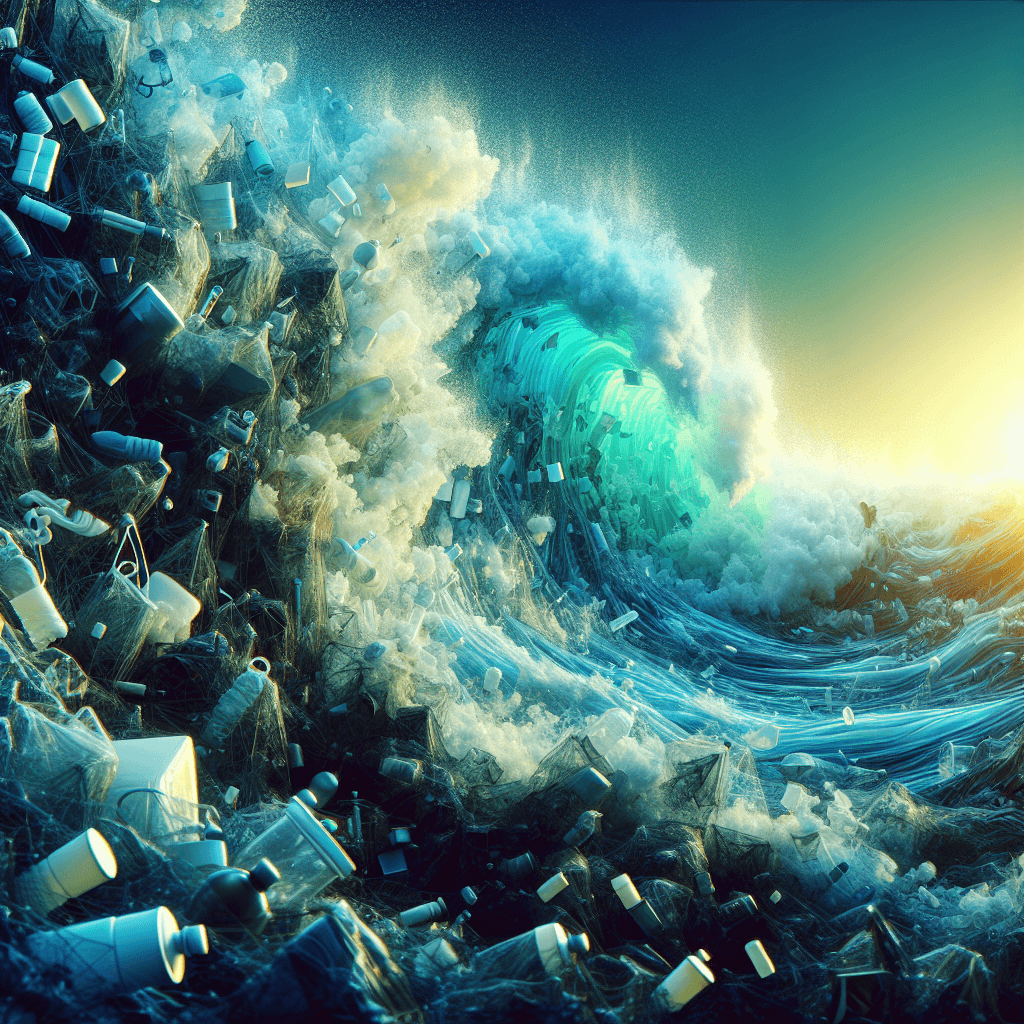
Shores Overwhelmed by Discarded Plastic
In a remote coastal town, residents wake each morning to beaches strewn with plastic debris washed ashore overnight. Fishermen untangle their nets from discarded bottles and bags, while the local economy struggles with few opportunities beyond subsistence. The ocean, once a source of livelihood, now carries the weight of unchecked pollution that no one has incentive to remove. Children play amid wrappers that will eventually drift farther out to sea, and the community accepts the accumulating waste as an unavoidable part of daily life.
The Speaker's Argument for Valuing Waste
David Katz presents Plastic Bank as a system that turns plastic waste into a currency for the poor. His central claim is that assigning economic value to plastic incentivizes collection and recycling, directly reducing ocean pollution while addressing poverty. Katz argues this works by making the act of gathering waste profitable for those who need income most. He frames the solution around a simple proposition: what if plastic waste was worth money, and what if it was a currency that could lift millions out of poverty? The approach relies on creating exchange points where collected plastic becomes tradable for goods or services, shifting the dynamic from disposal to deliberate retrieval.
Applying the Currency Model Locally
If implemented in the coastal town, residents might exchange collected plastic for credits usable at local centers. This would transform daily routines from passive endurance of pollution to active participation in its reduction. The same waste that clogs nets becomes a tradable asset, potentially funding education or healthcare while preventing further ocean contamination. Katz's thinking resolves the scenario by aligning individual economic interests with collective environmental goals, making sustainability profitable rather than burdensome. The model shows how poverty and pollution can be tackled together when waste is no longer viewed as worthless.
Broader Implications for Pollution and Poverty
Such a system could reshape how societies approach these intertwined issues worldwide. Instead of relying solely on regulations or charity, economic systems might integrate waste collection as a viable livelihood. This fosters dignity in labor while addressing the root of pollution through decentralized efforts. The central question emerges: how might redefining plastic as currency alter global strategies, turning liabilities into assets for both people and planet? Katz demonstrates that the incentive structure changes behavior at scale without requiring top-down enforcement alone.
A Lasting Perspective
Ultimately, Katz challenges us to reconsider what we discard. When waste gains value, the line between problem and solution blurs, inviting innovation that benefits the environment and the disadvantaged alike. What if every piece of plastic carried the potential not just for harm, but for hope?