Toward a new understanding of mental illness
by Thomas Insel · the ai revolution in mental health care
- mental health
- brain science
- technology
The AI Revolution in Mental Health Care
Toward a New Understanding of Mental Illness
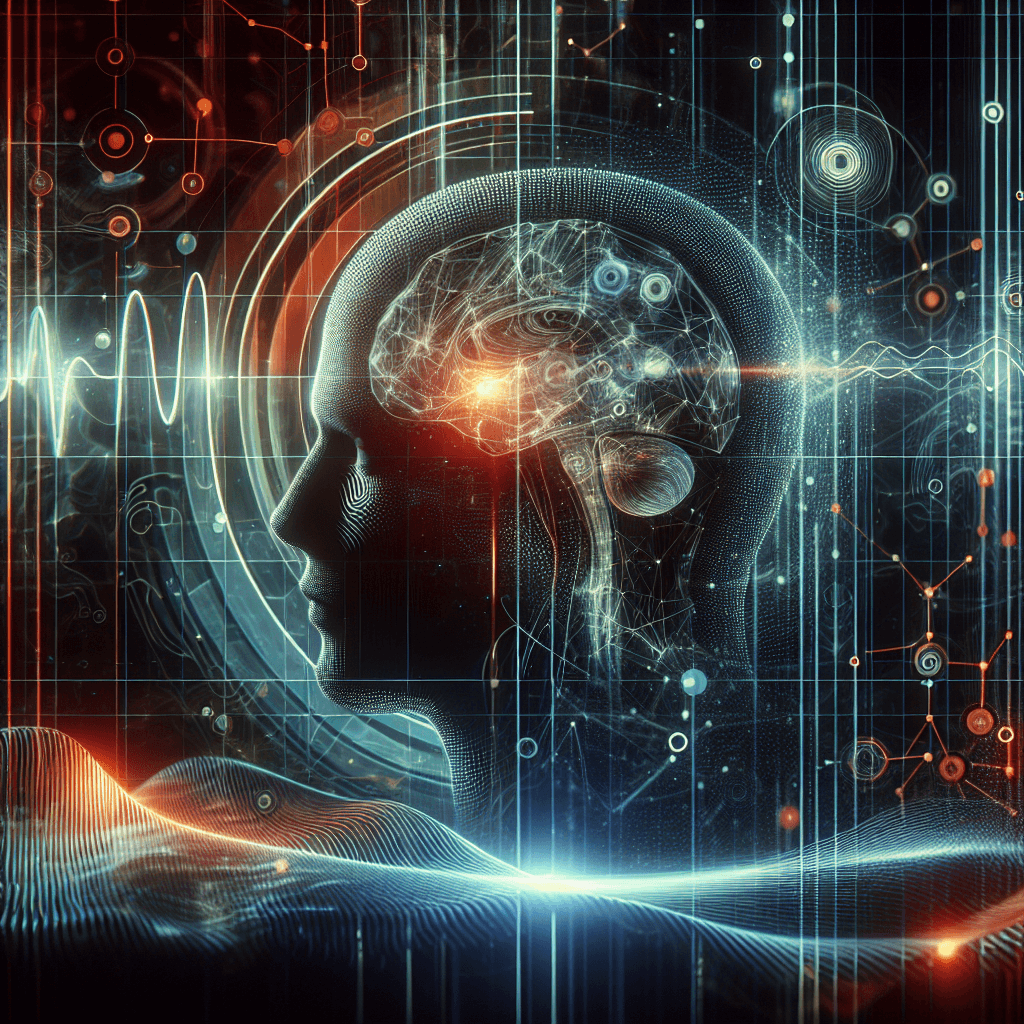
The integration of artificial intelligence (AI) into mental health care is transforming how we perceive, diagnose, and treat mental illnesses. This essay explores the trending topic of the AI revolution in mental health, framed around the talk title "Toward a New Understanding of Mental Illness." By leveraging AI's capabilities, we're moving beyond traditional models to more nuanced, data-driven approaches that promise greater accessibility and effectiveness.
Current Challenges in Mental Health Care
Mental health disorders affect millions worldwide, yet access to care remains limited. Stigma, high costs, and a shortage of professionals create barriers. Traditional diagnostic methods often rely on subjective assessments, leading to inconsistencies.
Key challenges include:
- Limited Access: Rural areas and low-income communities lack sufficient mental health services.
- Diagnostic Inaccuracies: Symptoms can overlap across disorders, complicating accurate identification.
- Treatment Gaps: Personalized care is rare due to resource constraints.
AI is stepping in to address these issues, offering innovative solutions that could redefine our understanding of mental illness.
AI's Role in Diagnosis and Prediction
AI algorithms analyze vast datasets from electronic health records, wearables, and social media to detect patterns invisible to the human eye. Machine learning models can predict mental health crises by identifying early warning signs.
For instance:
- Predictive Analytics: Tools like those using natural language processing (NLP) scan text messages or speech for indicators of depression or anxiety.
- Biomarker Identification: AI processes brain scans and genetic data to uncover biological underpinnings of disorders, shifting from symptom-based to biomarker-based diagnoses.
This data-driven approach fosters a new understanding, viewing mental illness as a spectrum influenced by genetics, environment, and lifestyle rather than rigid categories.
AI-Powered Therapeutic Interventions
Chatbots and virtual therapists provide round-the-clock support, making mental health care more accessible. Apps like Woebot use cognitive behavioral therapy (CBT) techniques to guide users through emotional challenges.
Benefits include:
- Scalability: AI can handle millions of users simultaneously, reducing wait times.
- Personalization: Algorithms tailor interventions based on user data, improving outcomes.
- Anonymity: Users feel more comfortable sharing with AI, reducing stigma.
These tools are not replacements for human therapists but complements, enhancing overall care and encouraging a holistic view of mental well-being.
Ethical Considerations and Challenges
While promising, AI in mental health raises concerns. Privacy issues arise from handling sensitive data, and biases in training data can perpetuate inequalities.
Critical challenges:
- Data Privacy: Ensuring compliance with regulations like HIPAA is essential.
- Algorithmic Bias: AI must be trained on diverse datasets to avoid disadvantaging certain groups.
- Overreliance: Users might depend too heavily on AI, delaying professional help.
Addressing these requires robust ethical frameworks to guide AI development and deployment.
The Future: A Paradigm Shift in Understanding Mental Illness
AI is paving the way for a new paradigm where mental illness is understood through integrated, multidimensional lenses. By combining AI with neuroscience and psychology, we can develop preventive strategies and more effective treatments.
Looking ahead:
- Integrated Care Models: AI could facilitate seamless collaboration between humans and machines.
- Research Advancements: Large-scale AI analysis might reveal novel subtypes of disorders.
- Global Impact: In underserved regions, AI could democratize access to mental health resources.
Ultimately, this revolution encourages us to view mental health not as isolated episodes but as part of a continuum, fostering empathy and innovation in care.
Conclusion
The AI revolution in mental health care is more than technological advancement; it's a step toward a profound new understanding of mental illness. By embracing AI responsibly, we can create a more inclusive, effective system that supports everyone in their mental health journey. As we navigate this evolving landscape, ongoing dialogue between technologists, clinicians, and ethicists will be crucial to maximizing benefits while minimizing risks.