Greening the ghetto
by Majora Carter · reimagining cities for a sustainable future
- environment
- urban planning
- equality
- activism
Why Reimagining Cities Matters Now
Cities stand at a crossroads where growth collides with inequality and environmental strain, making the push for sustainable futures urgent. Neglected urban areas often suffer most from decline, turning what could be vibrant spaces into zones of disinvestment. This reality forces a fresh look at how development can serve everyone rather than leaving pockets of the city behind.
Majora Carter's Lens on Environmental Equality
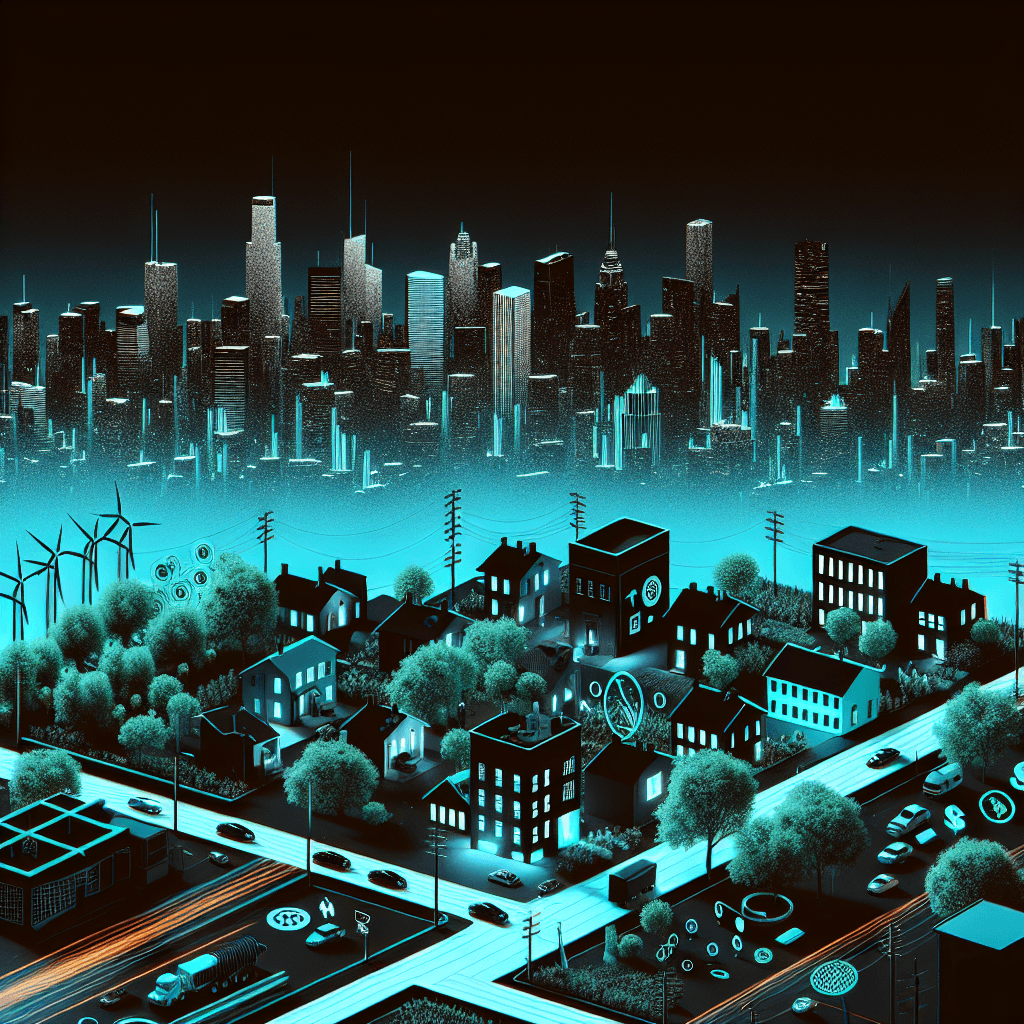
Majora Carter's talk "Greening the ghetto" offers a direct lens into this topic. She redefined environmental equality by beginning in the South Bronx, where community efforts with green initiatives lifted her neighborhood from decline. Her core thesis centers on rethinking sustainable urban development through these local actions, showing that environmental justice and green spaces can spark revitalization in overlooked places.
Reinforcing and Reframing the Broader Conversation
Carter's ideas reinforce the trending focus on reimagining cities by demonstrating that sustainable communities arise when marginalized neighborhoods lead the way. They complicate conventional urban planning by placing equality at the center, rather than treating it as an afterthought. This approach reframes the discussion around the central question of how greening projects in such areas drive wider urban sustainability: instead of top-down mandates, change starts from the ground up, turning isolated renewal into a model for rethinking urban habits across entire cities.
The Path Forward Through Local Action
By anchoring sustainability in environmental justice, Carter's work highlights that true progress requires pulling neglected communities into the fold. This synthesis shows greening as both a practical tool and a justice imperative, advancing the reimagining of cities without leaving anyone behind.
Your Role in Urban Renewal
What greening initiative could you help launch or support in a marginalized neighborhood near you to test these ideas in practice?