How urban agriculture is transforming Detroit
by Devita Davison · reimagining cities: urban greening for a sustainable future
- urban agriculture
- food security
- resilience
- Detroit
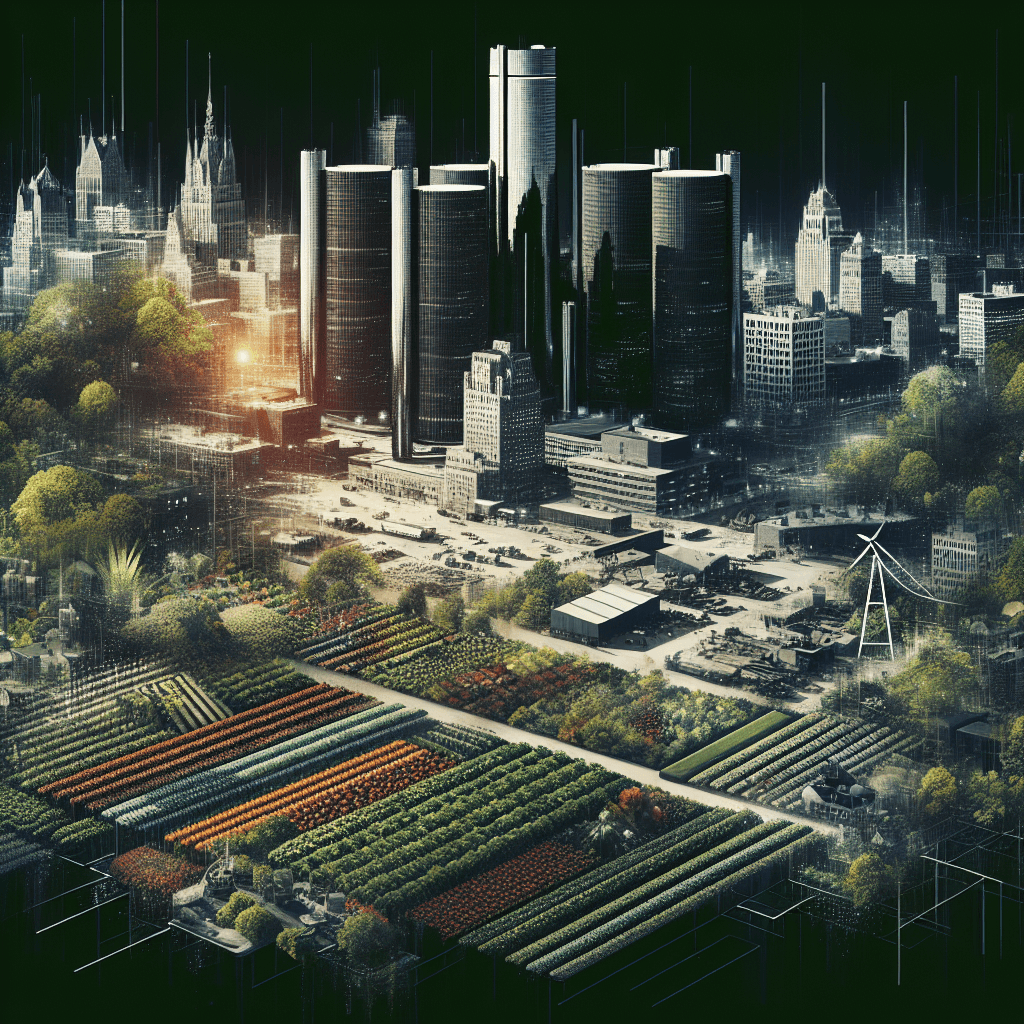
Devita Davison speaks from the specific vantage point of Detroit, where decades of urban decay have left vast tracts of vacant land amid pressing needs for food access and economic renewal, allowing her to frame urban agriculture not as an abstract ideal but as a lived response to those intertwined crises.
The Speaker's Central Argument
Davison's core claim is that urban farming in Detroit simultaneously tackles food insecurity, generates jobs, and builds climate resilience by turning blighted lots into productive spaces. She underscores this through the direct outcomes of community-led farms: local economies gain from new agricultural enterprises, residents secure fresher food sources, and neighborhoods develop stronger social bonds that support long-term environmental adaptation. The memorable line "We're not just growing food; we're growing jobs, we're growing community, and we're growing hope" captures how these efforts compound beyond mere produce to restore agency in the face of decline.
Connection to Urban Greening for Sustainability
This argument maps straight onto the broader push to reimagine cities through urban greening. By demonstrating how vacant land conversion yields food security and resilient communities, Davison shows that greening strategies can address environmental vulnerabilities while reversing economic and social erosion—precisely the integrated approach needed as cities worldwide confront similar decay and climate pressures. Her Detroit examples illustrate why such models matter now: they turn liabilities into assets that sustain both people and ecosystems.
Practical Steps After Hearing the Message
Listeners can begin by identifying underused lots or public spaces in their own cities and exploring partnerships with local groups to pilot small-scale growing projects. They might also advocate for policy changes that ease land access for urban farms or join existing initiatives to strengthen community ties around food production. These actions translate Davison's insights into tangible local experiments that advance sustainable urban futures.