The case for optimism on climate change
by Al Gore · tech for good: innovations fighting climate change
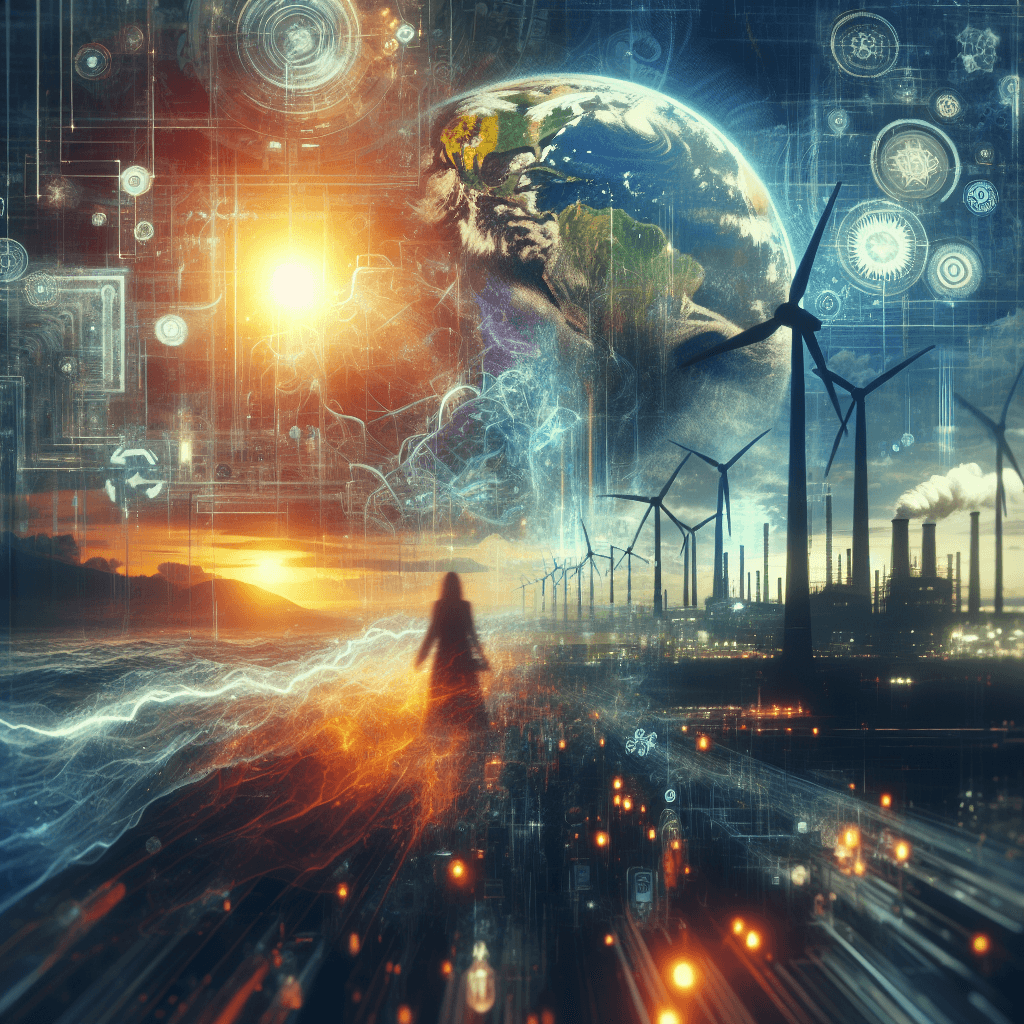
- climate change
- renewable energy
- environment
Gore's Questions: Lighting the Path Through Tech-Driven Hope
Climate change stands as an urgent global force reshaping economies, ecosystems, and daily lives, demanding immediate attention to innovations that turn threats into opportunities for collective action. In this moment, discussions around Tech for Good highlight tools designed to combat environmental harm, underscoring the need for scalable responses that address man-made pressures on the planet.
Al Gore's talk serves as a precise lens for this topic. He builds a case for optimism by posing three powerful questions about the forces threatening destruction and the solutions already in design to counter them, framing technological progress as central to reversal rather than inevitability of decline.
Gore's emphasis on designed solutions directly reinforces the trending conversation by positioning technological innovations as active agents of good, shifting focus from despair to engineered pathways forward. This aligns with Tech for Good narratives that celebrate invention as a counter to environmental threats, encouraging investment in renewables and efficiency measures without assuming doom.
Yet the talk complicates the topic by insisting optimism stems not from isolated gadgets but from interrogating the underlying questions themselves, reframing Tech for Good away from hype toward deliberate scrutiny of how innovations tackle root causes. It avoids overstatement of quick fixes, instead demanding that solutions address the full scope of man-made forces.
This synthesis elevates the discourse by tying current innovations back to Gore's optimistic questions, suggesting they embody hope only when they confront those forces head-on rather than merely promising incremental gains.
What specific innovation in your view most directly answers one of Gore's three questions, and how would you test its impact against the threats he identifies?