Mapping the future of countries
by Parag Khanna · geopolitical realignment in a multipolar world
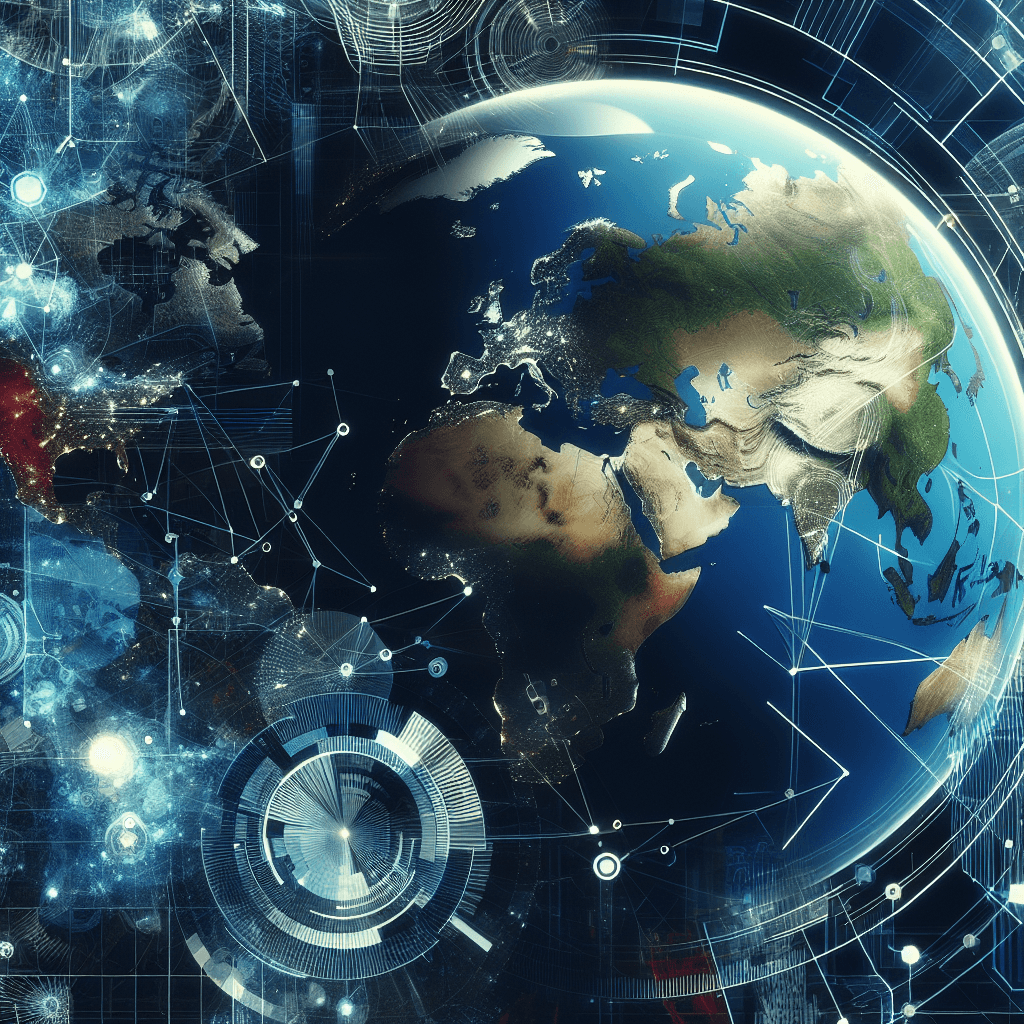
- geography
- geopolitics
- borders
- future
Khanna's Distinctive Take on Enduring Maps
Parag Khanna delivers his perspective in the TED talk titled Mapping the future of countries at a moment when discussions of geography and geopolitics intersect with themes of global shifts. What sets his viewpoint apart is the direct engagement with the idea that borders remain relevant, drawing explicitly on maps and history rather than dismissing them amid rapid change. The talk description highlights this stance against the common belief that lines on the map no longer matter, positioning Khanna as someone who forecasts concrete transformations like hybrid identities, new city-states, and reconfigured borders.
Building the Argument Through Key Elements
Khanna's central argument unfolds by asserting that maps continue to shape outcomes, using historical context to project forward into a landscape of connectivity. He emphasizes how nations strategically adapt to shifting power structures, with borders evolving rather than vanishing. Key points include the emergence of hybrid identities that blend multiple influences and the rise of new city-states as focal points of influence. These elements build toward reconfigured borders that reflect ongoing geopolitical dynamics instead of static divisions, all anchored in the themes of geography and future-oriented analysis.
Linking Ideas to Multipolar Realignment
The speaker's forecasts connect directly to the trending topic of geopolitical realignment in a multipolar world by illustrating how connectivity serves as a bridge across dispersed power centers. In this setting, emerging connectivity maps could reshape alliances by prioritizing fluid networks over rigid state boundaries, allowing hybrid identities and city-states to influence partnerships. This relevance stands out today because the talk addresses how such adaptations illuminate realignments, encouraging viewers to consider borders as active tools in navigating multipolar landscapes rather than outdated markers.
Practical Shifts After Engaging the Message
Someone absorbing Khanna's message might begin mapping personal or professional networks with an eye toward connectivity, seeking opportunities in hybrid identities or city-state dynamics instead of assuming fixed national frameworks. They could adjust approaches to alliances by evaluating reconfigured borders in real time, perhaps favoring collaborative models that account for evolving power structures. This leads to more proactive strategies in diplomacy or global engagement, where history and maps inform decisions about future alignments rather than reactive responses to change.