The wonderful and terrifying implications of computers that can learn
by Jeremy Howard · the future of artificial intelligence in everyday life
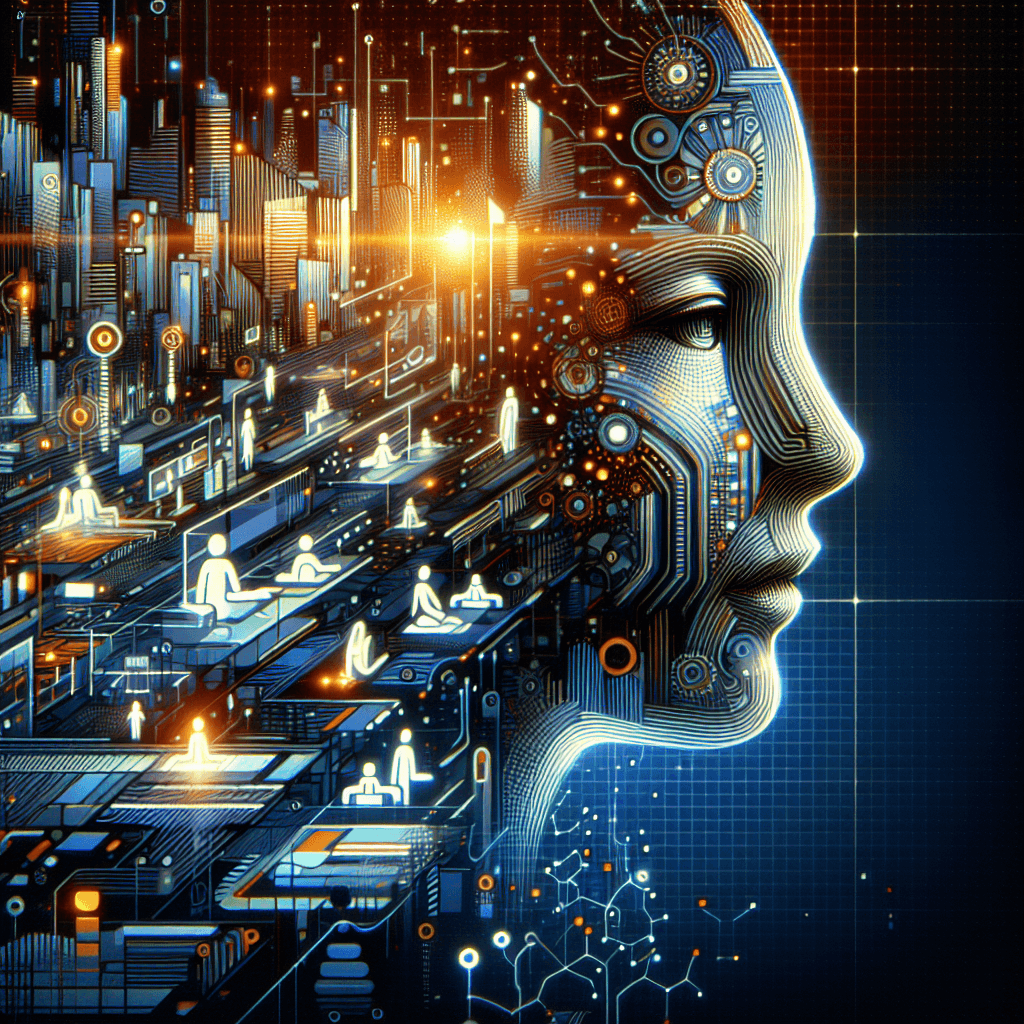
- AI
- machine learning
- technology
- future
The Future of Artificial Intelligence in Everyday Life
Introduction
The talk title, "The Wonderful and Terrifying Implications of Computers That Can Learn," captures the dual nature of artificial intelligence (AI) as it integrates into our daily lives. AI, particularly machine learning, enables computers to process data, recognize patterns, and make decisions with minimal human intervention. As AI evolves, it promises to transform everyday experiences, from healthcare to entertainment. However, this rapid advancement also raises profound ethical and societal concerns. This essay explores both the positive and negative implications, highlighting how AI could shape our future.
Wonderful Implications
AI's potential to enhance everyday life is immense, offering efficiency, personalization, and innovation across various sectors.
Revolutionizing Healthcare
AI-powered tools can analyze medical data faster than humans, leading to quicker diagnoses and personalized treatments.
- Predictive Analytics: Algorithms predict disease outbreaks or patient deterioration, enabling proactive care.
- Virtual Assistants: Chatbots provide mental health support, making therapy accessible anytime.
- Drug Discovery: Machine learning accelerates the development of new medications by simulating molecular interactions.
These advancements could extend lifespans and improve quality of life globally.
Enhancing Education and Work
In education, AI adapts learning materials to individual needs, making knowledge more accessible.
- Personalized Tutoring: Systems like adaptive learning platforms adjust difficulty based on student performance.
- Administrative Efficiency: AI automates grading and scheduling, freeing educators for creative tasks.
At work, AI streamlines repetitive jobs, fostering innovation and work-life balance.
Daily Conveniences
From smart homes to transportation, AI simplifies routines.
- Voice Assistants: Devices like Siri or Alexa manage schedules, control appliances, and provide information instantly.
- Autonomous Vehicles: Self-driving cars could reduce accidents and traffic congestion.
- Personalized Recommendations: Streaming services and e-commerce use AI to suggest content and products tailored to preferences.
These features make life more convenient and enjoyable.
Terrifying Implications
Despite its benefits, AI's integration into everyday life poses risks that could undermine privacy, employment, and even human autonomy.
Privacy and Surveillance Concerns
AI thrives on data, but this often comes at the cost of personal privacy.
- Data Collection: Companies track user behavior extensively, leading to potential misuse or breaches.
- Facial Recognition: Widespread use in public spaces could enable constant surveillance, eroding anonymity.
Such implications raise fears of a "Big Brother" society where individuals have little control over their data.
Job Displacement and Inequality
Automation driven by AI could disrupt job markets, exacerbating economic divides.
- Automation of Labor: Roles in manufacturing, customer service, and even creative fields like writing may be replaced.
- Skill Gaps: Those without access to AI education or tools could fall behind, widening inequality.
Without proper policies, this could lead to widespread unemployment and social unrest.
Ethical and Existential Risks
AI's decision-making capabilities introduce moral dilemmas and long-term threats.
- Bias in Algorithms: If trained on flawed data, AI can perpetuate discrimination in hiring, lending, or law enforcement.
- Autonomous Weapons: "Killer robots" could make life-and-death decisions without human oversight.
- Superintelligence: Advanced AI might surpass human intelligence, potentially leading to uncontrollable scenarios as depicted in science fiction.
These risks highlight the need for robust ethical frameworks.
Conclusion
The future of AI in everyday life is a double-edged sword, offering wonderful opportunities for progress while presenting terrifying challenges. To harness its benefits, society must prioritize ethical development, inclusive policies, and ongoing dialogue. By addressing these implications thoughtfully, we can ensure that computers that learn serve humanity rather than overshadow it. Ultimately, the path forward depends on how we guide AI's evolution—towards a brighter, more equitable world.