The future of brain-computer interfaces
by Mary Lou Jepsen · brain-computer interfaces: merging mind and machine
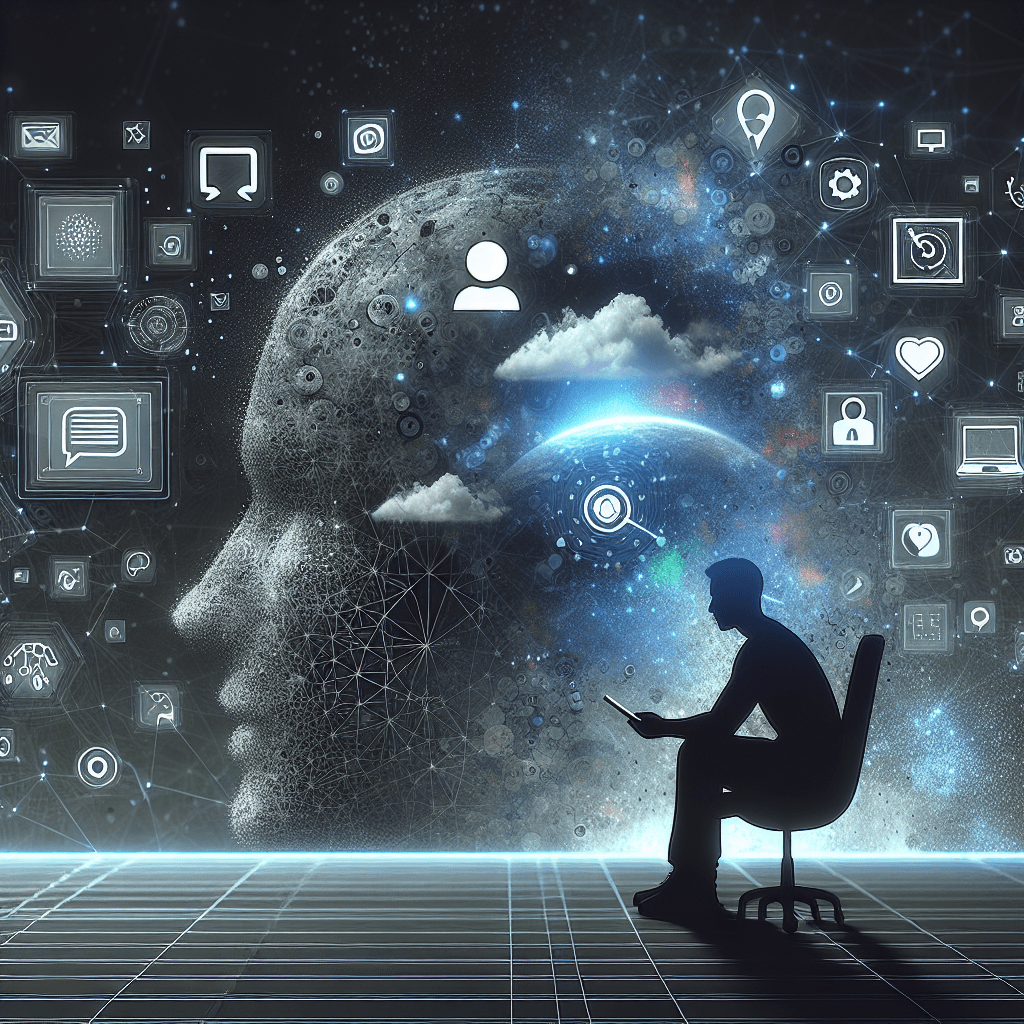
- technology
- innovation
- neuroscience
Optical Bridges to Lost Functions: Jepsen's Focus on Restoration Over Control
The popular image of brain-computer interfaces often centers on dystopian fears of external entities reading or directing thoughts at will. Yet the technology's nearer-term applications may instead center on recovering basic human capacities that illness or injury have taken away.
Mary Lou Jepsen's exploration of advanced optical brain-computer interfaces directly engages this tension. She presents systems designed for high-speed mind-to-machine communication whose primary value lies in restoring lost abilities rather than augmenting healthy ones. This framing shifts attention from speculative mind control toward practical reconnection between neural signals and external devices.
Where the Argument Lands and Where It Invites Further Scrutiny
Jepsen rightly highlights the engineering promise of optical approaches, which could achieve the rapid data exchange needed for fluid interaction. By anchoring the discussion in restoration, her account counters alarmist narratives and grounds the technology in therapeutic intent.
Still, the same high-speed pathways that enable restoration also surface ethical questions the description leaves open. When neural signals move bidirectionally at scale, issues of data ownership, long-term consent, and unequal access to the resulting devices become unavoidable. A system built to return speech or mobility could, without deliberate safeguards, expose inner states to new forms of observation or commercial use.
- Restoration goals do not automatically resolve privacy risks once continuous brain data flows outward.
- Optical interfaces may lower some hardware barriers, yet the expertise and cost required could widen gaps between those who regain function and those who cannot.
- High-speed communication blurs the boundary between voluntary control and unintended leakage of cognitive content.
Synthesizing Insight with the Larger Trajectory
Jepsen's emphasis on optical interfaces and functional recovery supplies a concrete mechanism for mind-machine merging that prioritizes repair. When paired with the broader topic of seamless integration, the result is a clearer mandate: technical progress must be accompanied by explicit ethical architectures that treat restored neural access as both a medical good and a source of new vulnerabilities. Only then can the merging of mind and machine expand human capability without eroding human agency.