How AI Could Compose a New Kind of Art
by Refik Anadol · how generative ai will reshape every business model
- AI
- art
- generative
- technology
A Supply Chain in Search of Spark
Picture a logistics company buried under endless streams of shipment data, sensor readings, and route histories. Managers hunt for ways to stand out, yet every optimization feels incremental. They sense that raw information could become something more than reports if only it could be experienced differently.
Refik Anadol's Central Claim
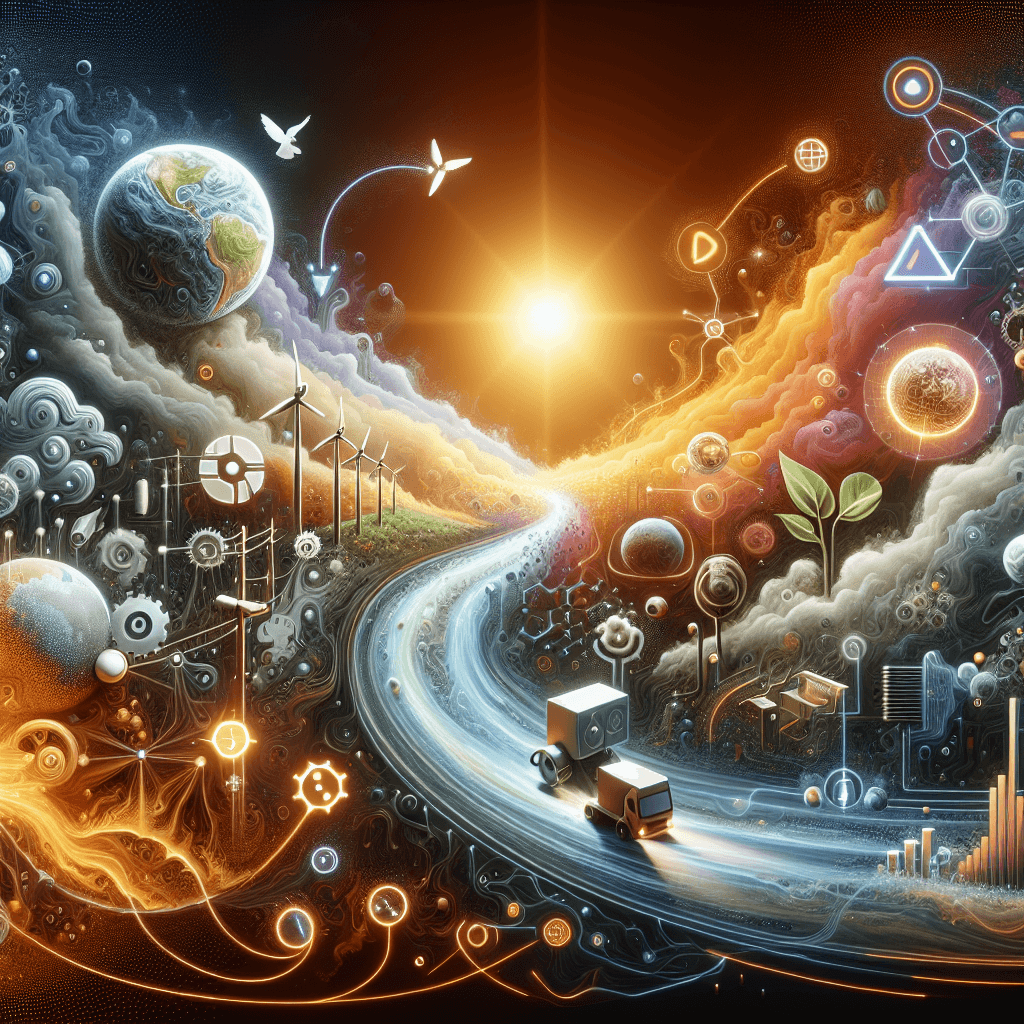
Refik Anadol argues that generative AI can compose an entirely new kind of art by turning data into living, immersive installations. He demonstrates this by reimagining vast datasets as dynamic visual environments that feel alive and responsive. Through these installations, Anadol shows how the same techniques that produce mesmerizing art can also reveal fresh patterns within information, suggesting that businesses might treat their own data not as static records but as material for creative disruption.
From Gallery to Boardroom
Anadol's approach directly addresses the logistics firm's challenge. Instead of viewing shipment data solely through dashboards, the company could feed those same records into generative systems that produce interactive visualizations. Stakeholders might walk through simulated environments where delayed routes pulse with color or inventory levels shift like tidal flows. Such experiences could surface overlooked opportunities for efficiency and collaboration, turning internal data into shared creative assets that attract partners or inspire new service offerings.
Revenue Streams Beyond the Expected
By adapting Anadol's methods, non-creative sectors gain tools to monetize data in unexpected ways. A logistics provider might license its generative visualizations to clients as training environments or sell access to customized installations that help other firms explore their own datasets. The core technique—recasting data as living art—thus becomes a repeatable process for inventing value where none was previously imagined.
The Question That Remains
What happens to an industry when every dataset is invited to become not just analyzed, but experienced?