Tough truths about plastic pollution
by Dianna Cohen · microplastics in our bodies: the invisible environmental threat
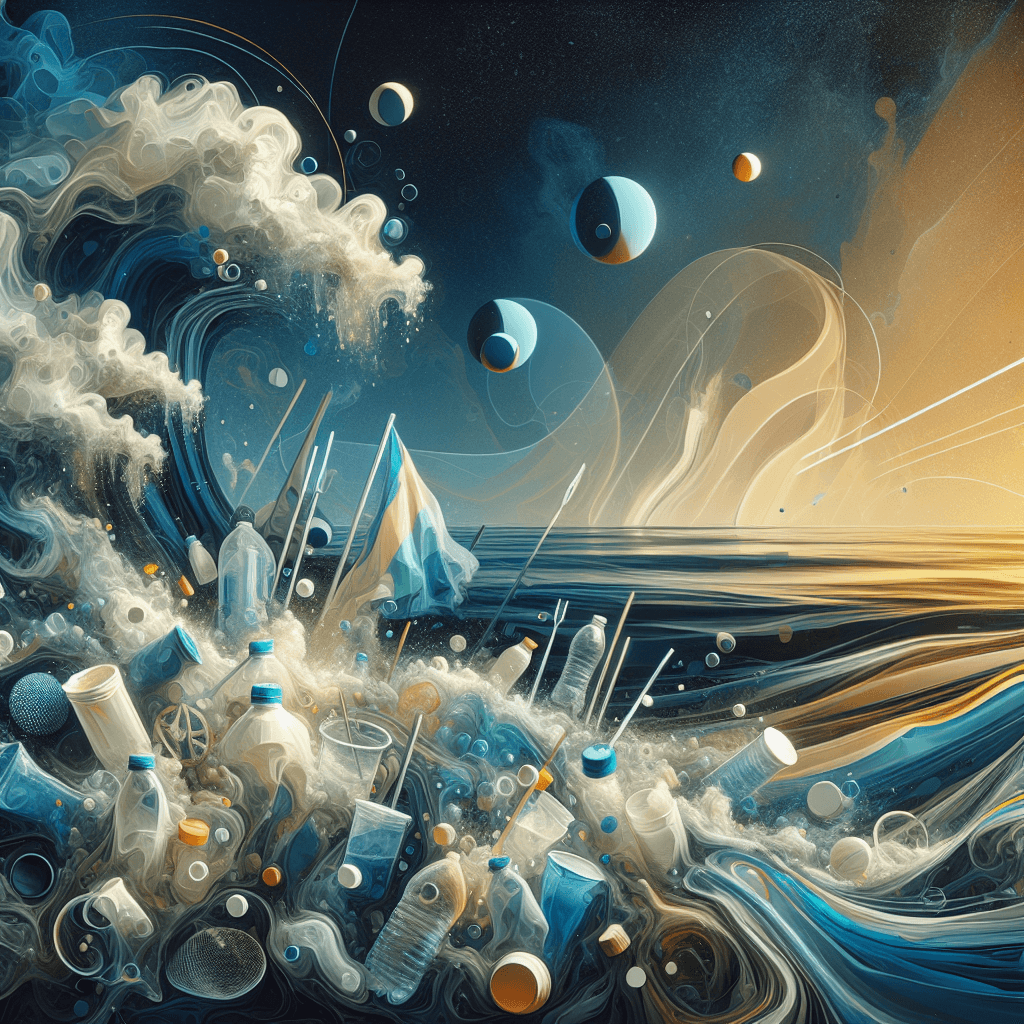
- plastic
- pollution
- art
- activism
- ocean
Microplastics now thread through the food we eat, the water we drink, and the air we breathe, turning an ocean crisis into a direct threat inside our own bodies. This invisible accumulation demands urgent attention because everyday plastic choices continue to feed the problem at its source. Artist and activist Dianna Cohen’s talk offers a practical lens for confronting that reality.
Cohen’s Core Thesis
Dianna Cohen’s TED Talk exposes the harsh realities of plastic pollution in the oceans and calls for action to reduce single-use plastics. Her presentation frames plastic waste as an immediate environmental emergency that artists and citizens alike must confront through deliberate changes in consumption.
How the Talk Reframes Microplastic Exposure
Cohen’s emphasis on ocean pollution directly reinforces the link between discarded plastics and microplastics entering human bodies, underscoring that the same single-use items breaking down at sea are the origin of particles now found inside us. By spotlighting reduction of single-use plastics as the primary response, her ideas simplify the path forward: fewer new plastics entering the system means less material available to fragment into microplastics. This focus complicates broader conversations that sometimes emphasize cleanup technologies alone, instead insisting that prevention through personal and collective refusal of disposables is essential.
Practical Guidance from Cohen’s Insights
- Prioritize reusable alternatives to single-use bottles, bags, and packaging to cut plastic inputs before they reach waterways.
- Support art and activism that makes the scale of ocean pollution visible, turning abstract microplastic threats into tangible motivation for daily change.
- Advocate for systems that make reuse the default rather than the exception, extending Cohen’s call beyond individual action to community-level shifts.
These steps translate her ocean-focused argument into concrete ways to lower personal microplastic exposure.
A Challenge for Readers
What single-use plastic item will you refuse this week, and how might that choice begin to shrink the invisible plastic load your body carries?