How computers are learning to be creative
by Blaise Agüera y Arcas · the ai revolution: redefining creativity and work
- AI
- creativity
- art
- machine learning
- technology
Many assume that artificial intelligence will first disrupt repetitive or physical labor, leaving creative fields untouched as the preserve of human imagination. Yet the opposite appears to be unfolding: machines are already venturing into art itself, forcing a reexamination of what counts as creative work.
The Speaker's Core Argument
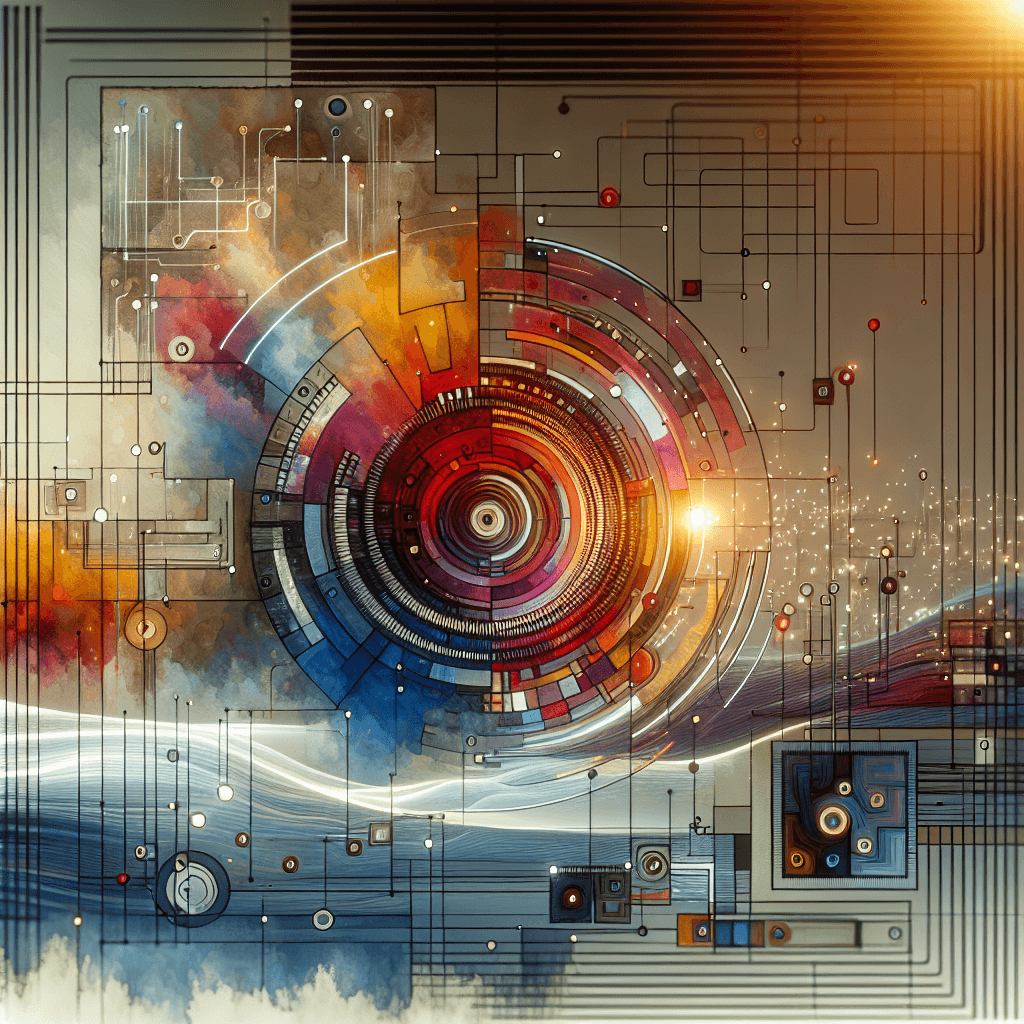
Blaise Agüera y Arcas's talk centers on neural networks producing astonishing imagery, placing us at a new frontier in art and creativity that is explicitly not human. This demonstration positions AI systems as developing creative capabilities, directly linking to the broader AI revolution by casting machines as innovative collaborators rather than mere tools.
How the Argument Engages the Opening Tension
Far from confirming fears of AI confined to routine tasks, the speaker upends expectations by showcasing neural networks generating novel visual works. The talk thereby illustrates how creativity and work are being redefined together, with machines entering domains once considered exclusively human and becoming partners in the creative process.
Nuances in the Speaker's Position
The speaker rightly highlights the edge of this frontier through concrete examples of machine-generated imagery, underscoring that neural networks can produce outputs that feel genuinely inventive. At the same time, the ideas may benefit from added context on collaboration: the positioning of machines as innovative collaborators suggests augmentation of human roles rather than outright substitution, though the precise boundaries between assistance and autonomy remain open to further exploration within creative industries.
Synthesizing a Takeaway
When combined with the trending topic of redefining creativity and work, the insight points toward job roles evolving into hybrid partnerships where humans guide and interpret AI outputs in art and related fields. This collaborative model could expand creative possibilities while prompting professionals to adapt by focusing on curation, direction, and integration of machine contributions, ultimately reshaping traditional workflows around shared innovation rather than isolated authorship.