Art in the age of machine intelligence
by Refik Anadol · how ai is reshaping human creativity
- AI
- art
- machine intelligence
- data
- creativity
Many assume that artificial intelligence will flatten human creativity into predictable patterns, yet the reality may prove more expansive: machines could act as vast mirrors reflecting hidden patterns in our shared data, inviting artists to collaborate with intelligence that sees what we overlook.
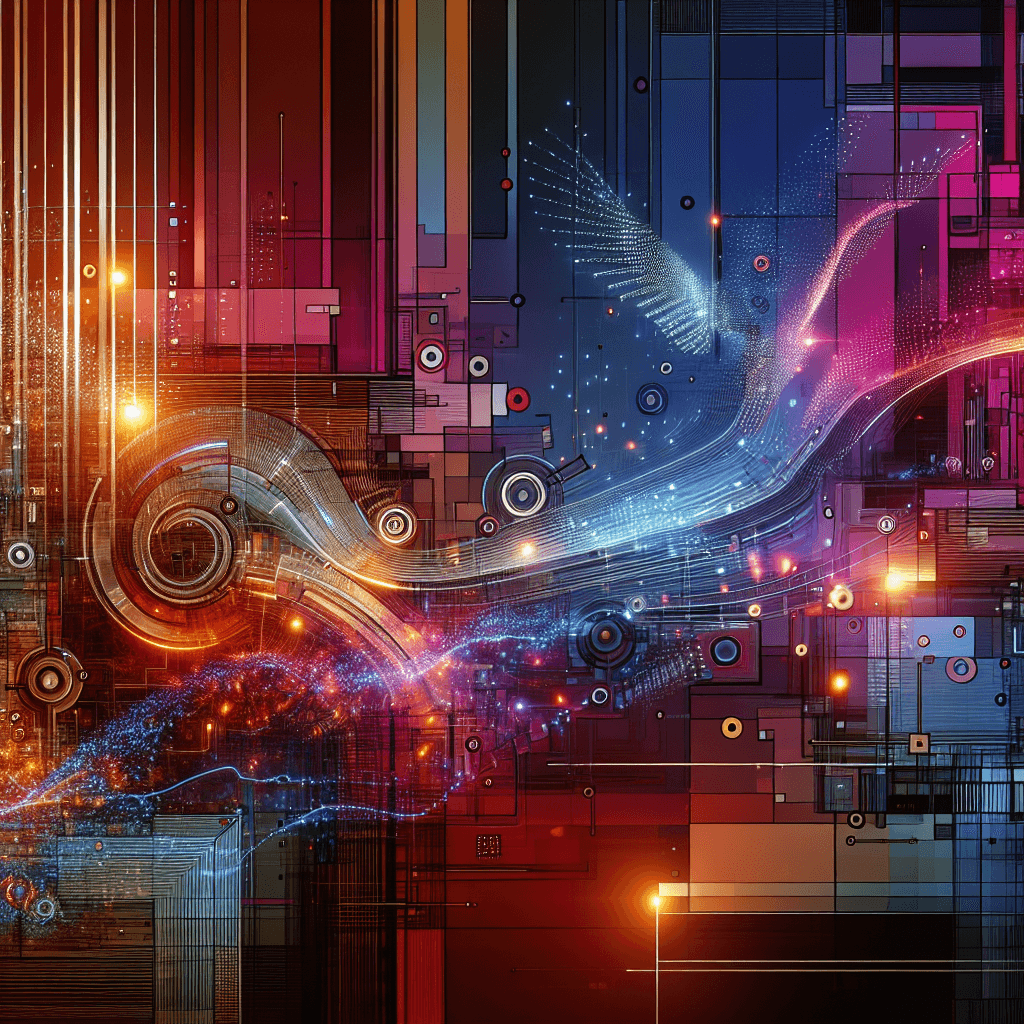
Refik Anadol's approach in "Art in the age of machine intelligence" directly engages this possibility. By training AI on vast datasets, he generates mesmerizing, dynamic installations that turn raw information into immersive experiences. This process exemplifies the trending topic of AI reshaping human creativity, demonstrating human-machine collaboration where the algorithm does not replace the artist but extends the reach of imagination through data.
Confirming the Tension Through Installation
Anadol's argument confirms the opening tension by showing how machine learning redefines creativity rather than diminishing it. The installations become living entities, pulsing with patterns extracted from enormous collections of information. In this way, the speaker illustrates artistic innovation born from the AI revolution, where data itself becomes the medium and the machine acts as a co-creator capable of surfacing unexpected forms.
Nuances Worth Examining
What Anadol gets right is the power of these dynamic installations to mesmerize viewers and expand the boundaries of what art can be. The emphasis on vast datasets highlights a genuine shift: creativity now involves orchestrating computational processes that reveal latent connections within information. Yet the ideas may benefit from further context around the human role. While the machines learn and generate, the artist's decisions about training data and installation design remain central, suggesting that redefinition happens through partnership rather than autonomous machine genius. Without this qualification, the vision risks overstating the independence of the AI component.
Applying the Insight to Personal Creative Expansion
Synthesizing Anadol's insight with the broader topic yields a practical takeaway for the central question of how AI tools might expand one's own creative process. Rather than viewing data as inert material, an individual could feed personal archives, notes, or sensory recordings into similar systems to surface unforeseen combinations. This mirrors the speaker's method of transforming information into immersive art, encouraging creators to treat machine intelligence as a collaborator that amplifies intuition. The result is not replacement but augmentation: a workflow where human intent guides algorithmic exploration, producing outputs that feel both familiar and startlingly new. In this light, AI becomes less a threat and more an invitation to rethink the sources and scale of creative work.