What AI can teach us about human creativity
by Marcus du Sautoy · the ai revolution: how machines are learning to create
- AI
- mathematics
- creativity
- philosophy
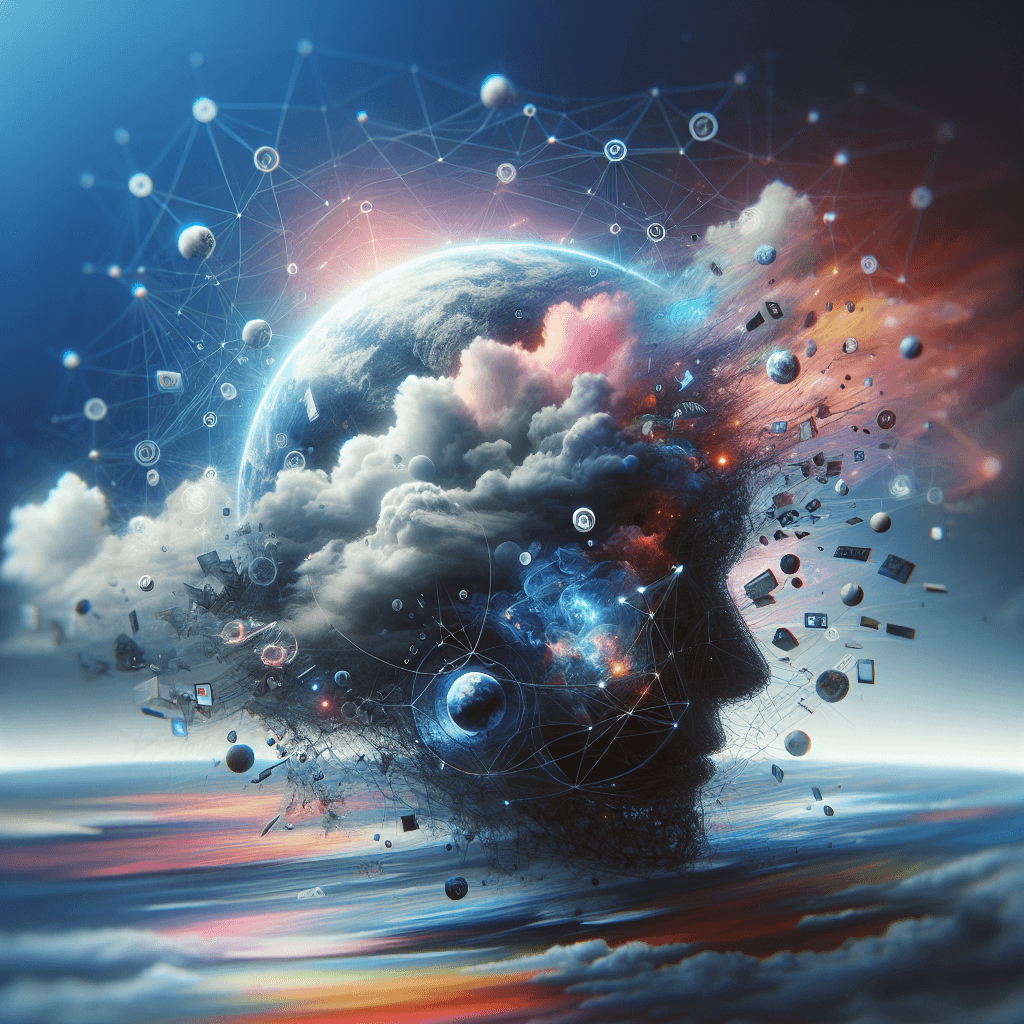
In a bustling studio, an artist stares at a canvas where an AI has just layered unexpected colors and shapes, forming a landscape no human hand had sketched. The machine, trained on vast datasets, produced this image overnight, prompting the creator to wonder if their own next brushstroke will feel diminished or inspired by the novelty on display.
The Speaker's Central Claim
Marcus du Sautoy's talk centers on AI's capacity to generate novel ideas and the light this sheds on human creative processes. As a mathematician, he examines how machines participate in the AI revolution by learning patterns that lead to original outputs, thereby illuminating rather than replacing the human drive for innovation. His argument draws from the intersection of mathematics, creativity, and philosophy to show that machine creativity expands our understanding of what it means to originate something new.
Connecting AI Creation to Human Value
This perspective directly engages the opening scenario of the AI-generated artwork. Rather than viewing the machine's output as a threat, du Sautoy's framing suggests it reveals the collaborative nature of creativity: humans have always built on existing patterns, and AI simply accelerates that process. The surprise in the studio becomes an invitation to examine which elements—intention, emotion, or context—still anchor value in human art and innovation amid the broader AI revolution.
Redefining Value Through Machine Insights
Applying the talk's lens, AI-driven creation encourages a shift in what societies prize. Instead of solely celebrating the final product, attention turns to the interpretive act that follows, where humans infuse machine ideas with personal meaning. This helps resolve the artist's initial hesitation by positioning AI as a mirror that highlights the distinctly human qualities of reflection and adaptation, ensuring that innovation remains a shared endeavor between people and their tools.
The central question—how AI-driven creation might redefine what we value in human art and innovation—lingers as an open prompt: will we measure creativity by its origin or by the fresh questions it raises in those who encounter it?