Innovating to zero!
by Bill Gates · sustainable tech: innovating for a greener planet
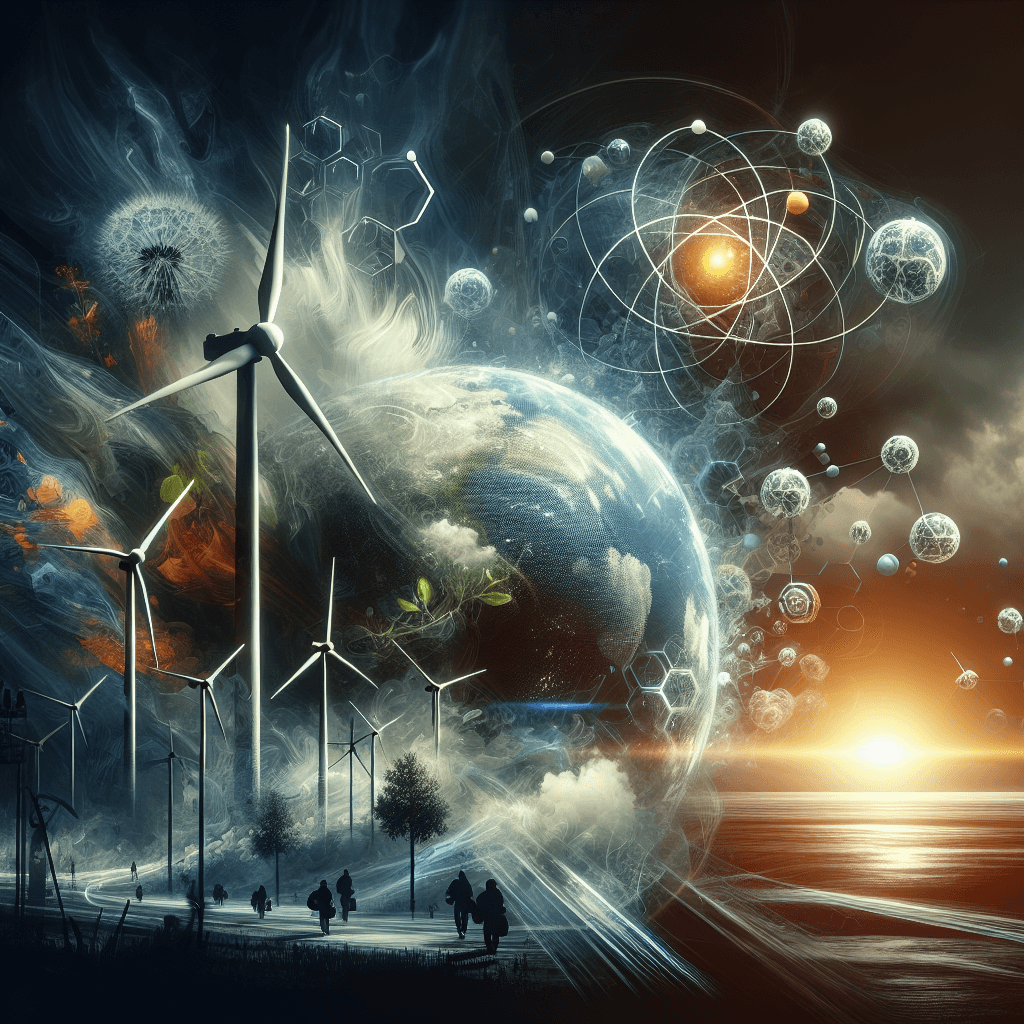
- climate change
- energy
- innovation
- technology
- nuclear power
Nuclear Leaps Toward Gates' Zero-Carbon Vision
What if the electricity fueling your morning coffee, your commute, and every screen you glance at could be generated without inching the planet closer to irreversible climate breakdown—yet only through energy breakthroughs that have not been invented yet? This question sits at the heart of Bill Gates' call for sustainable tech that can deliver zero carbon emissions worldwide by 2050.
Gates lays out a stark timeline: the world must reach zero emissions in roughly three decades or face planetary catastrophe. He insists that ordinary improvements to existing energy systems will fall short, declaring that "We need energy miracles." These miracles, in his view, must come from radically new technologies rather than incremental tweaks. The speaker anchors his optimism in one concrete bet: a dramatically different type of nuclear reactor that he is personally backing. This reactor design, he argues, could supply reliable, large-scale power while producing no carbon, directly addressing the scale of the emissions challenge.
His reasoning rests on the gap between current energy realities and the 2050 deadline. Without inventions that dramatically improve safety, cost, and waste profiles of nuclear power, Gates contends, societies will lack the steady, high-output energy needed to replace fossil fuels across electricity, transport, and industry. The talk positions this nuclear innovation not as one option among many but as an essential ingredient for the "miracles" required to hit zero emissions.
The speaker's focus intersects with the broader push for sustainable tech by narrowing the innovation lens onto nuclear breakthroughs that could complement wind, solar, and efficiency gains. Rather than treating all green technologies as equally viable, Gates' argument challenges the field to prioritize reactor designs capable of delivering baseload power at planetary scale. This emphasis reframes sustainable tech discussions away from diffuse optimism and toward targeted, high-impact engineering bets.
Yet the vision leaves an unresolved tension: even if such reactors prove technically feasible, the pace of development, regulatory approval, and global deployment must align perfectly with the 2050 cutoff. The audience is left wondering whether the needed miracles will materialize in time or whether the window for zero emissions will close before they arrive.