Creativity in the age of AI
by Fei-Fei Li · how generative ai is redefining creativity and work
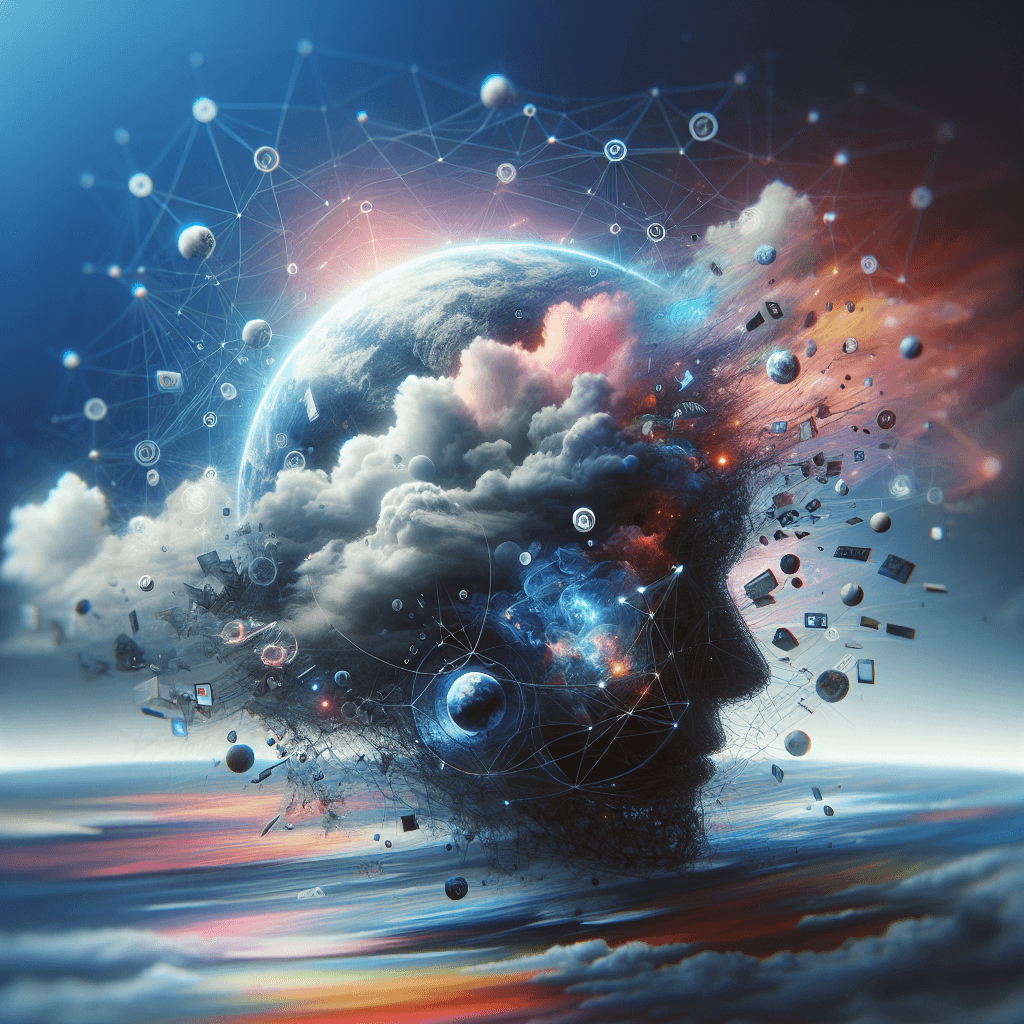
- AI
- creativity
- collaboration
Partnering with the Machine: Fei-Fei Li's Take on Creative Collaboration
In the setting of a TED Talk devoted to the intersection of technology and human expression, Fei-Fei Li brings forward a perspective shaped by her focus on how generative AI tools are transforming creative processes. The talk description positions her argument around the redefinition of artistic expression and the emergence of collaborative work between humans and machines, themes that align directly with the trending topic of AI redefining creativity and work.
Human-AI Partnership as the Central Claim
Li's central argument holds that generative AI is not merely automating tasks but actively reshaping how creativity unfolds. She builds this by emphasizing two intertwined ideas: first, that AI can expand artistic expression beyond traditional limits, and second, that the most promising outcomes arise when humans and machines operate as partners rather than competitors. The themes of redefining creativity and human-AI partnership serve as the foundation, showing that the technology alters workflows in fields where imagination and production meet.
Why This Perspective Matters in the Current Moment
The talk connects immediately to today's trending conversation because it moves past abstract fears of replacement and instead examines concrete shifts in labor and creative practice. As generative tools enter studios, offices, and classrooms, Li's framing explains why the conversation has grown urgent: these systems are already changing how ideas are generated, iterated, and shared. By anchoring the discussion in partnership, the talk offers a lens that feels especially relevant when many workers and artists are deciding how to integrate AI into daily routines.
Applying the Message in Practice
After absorbing Li's message, someone could begin by treating AI outputs as starting points rather than final products. In any creative field, this might mean prompting a model to sketch initial concepts, then layering personal judgment, cultural context, and refinement on top. The central question—how AI might augment rather than replace human creativity—finds an answer in deliberate collaboration: use the tool to handle repetitive generation or rapid prototyping, then invest human time in curation, emotional depth, and ethical choices that machines cannot supply. Over time, this approach turns AI into a tireless sketch partner that frees attention for the distinctly human work of meaning-making and storytelling.
By following this path, professionals can experiment with new workflows while staying grounded in the partnership Li describes. The result is not displacement but an expanded creative capacity that keeps human insight at the center of the process.