Innovating to zero!
by Bill Gates · tech's role in saving the planet
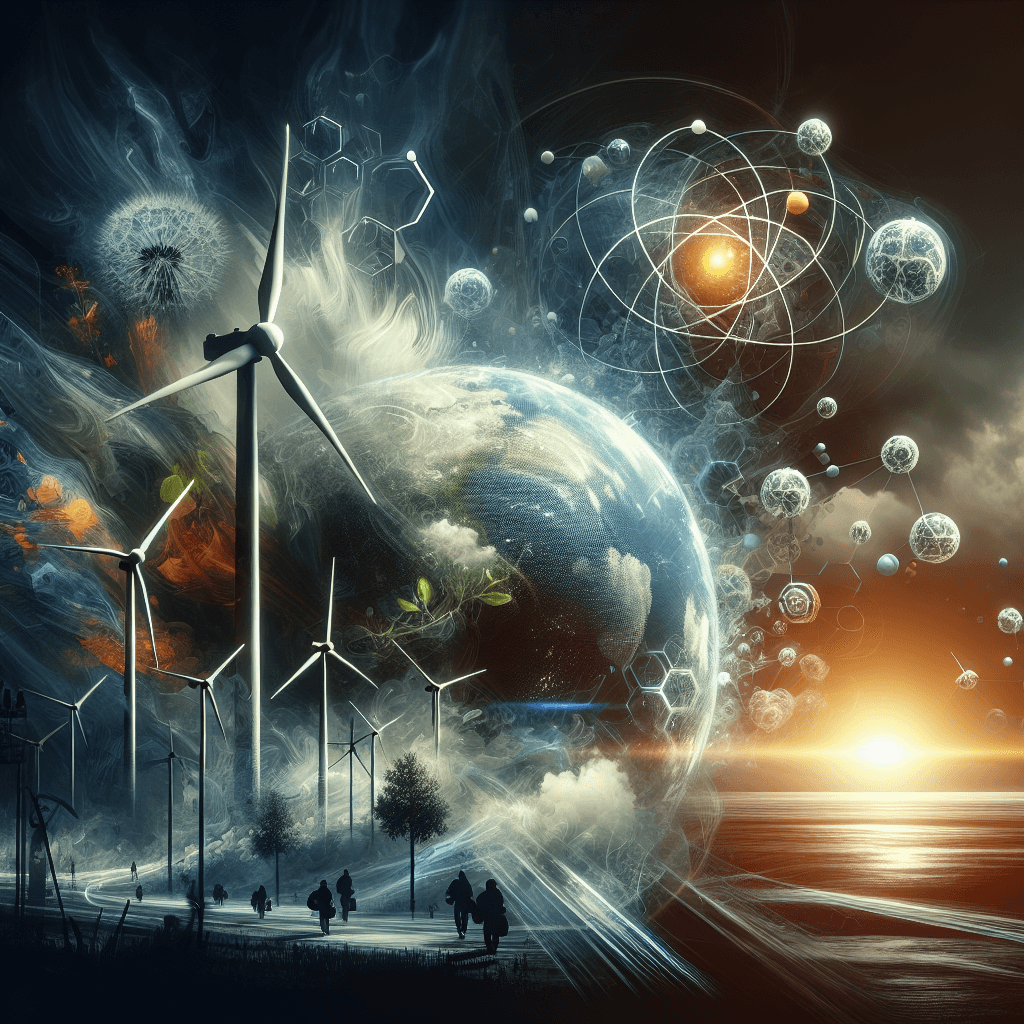
- climate change
- energy
- innovation
- technology
- nuclear power
Bill Gates' Unique Lens on Energy Innovation
Bill Gates brings a distinctive perspective shaped by his background as a technology pioneer who transitioned from building software empires to addressing global challenges through targeted investments. In the context of his TED talk, he presented this vision amid growing awareness of climate risks, positioning himself not just as an observer but as an active backer of unconventional solutions to reshape the world's energy systems.
The Core Argument for Reaching Zero Emissions
Gates' central argument centers on the urgent need to drive global carbon emissions to zero by 2050 to prevent planetary catastrophe. He emphasizes that achieving this requires technological 'miracles' beyond current capabilities, particularly highlighting his support for a dramatically different type of nuclear reactor as a key innovation. This builds through points on the limitations of existing energy approaches and the necessity of breakthroughs that can scale cleanly without compromising economic progress.
Connecting the Vision to Technology's Role in Sustainability
These ideas align directly with the trending topic of tech's role in saving the planet by underscoring how targeted innovations in energy can mitigate climate change. The talk remains especially relevant today as discussions around sustainable energy and carbon reduction intensify, reinforcing that technological advancement, exemplified by next-generation nuclear options, offers a pathway to the zero-emissions goal without relying solely on incremental changes.
Actions Individuals Might Take After Hearing the Message
After absorbing this perspective, someone could prioritize supporting policies and investments that fund advanced clean energy research rather than defaulting to familiar renewables. They might also advocate for regulatory frameworks that enable novel nuclear designs or redirect personal and professional efforts toward interdisciplinary tech collaborations aimed at energy breakthroughs, fostering a mindset shift from consumption reduction alone to actively enabling scalable miracles in innovation.