Art in the age of machine intelligence
by Refik Anadol · how generative ai is transforming human creativity
- AI
- art
- machine intelligence
- data
- creativity
Refik Anadol brings a distinctive viewpoint as an artist who directly trains AI systems on large collections of data to produce immersive, ever-changing installations, positioning him at the intersection of machine processes and creative output during a period of rapid technological adoption in the arts.
The Speaker's Core Perspective
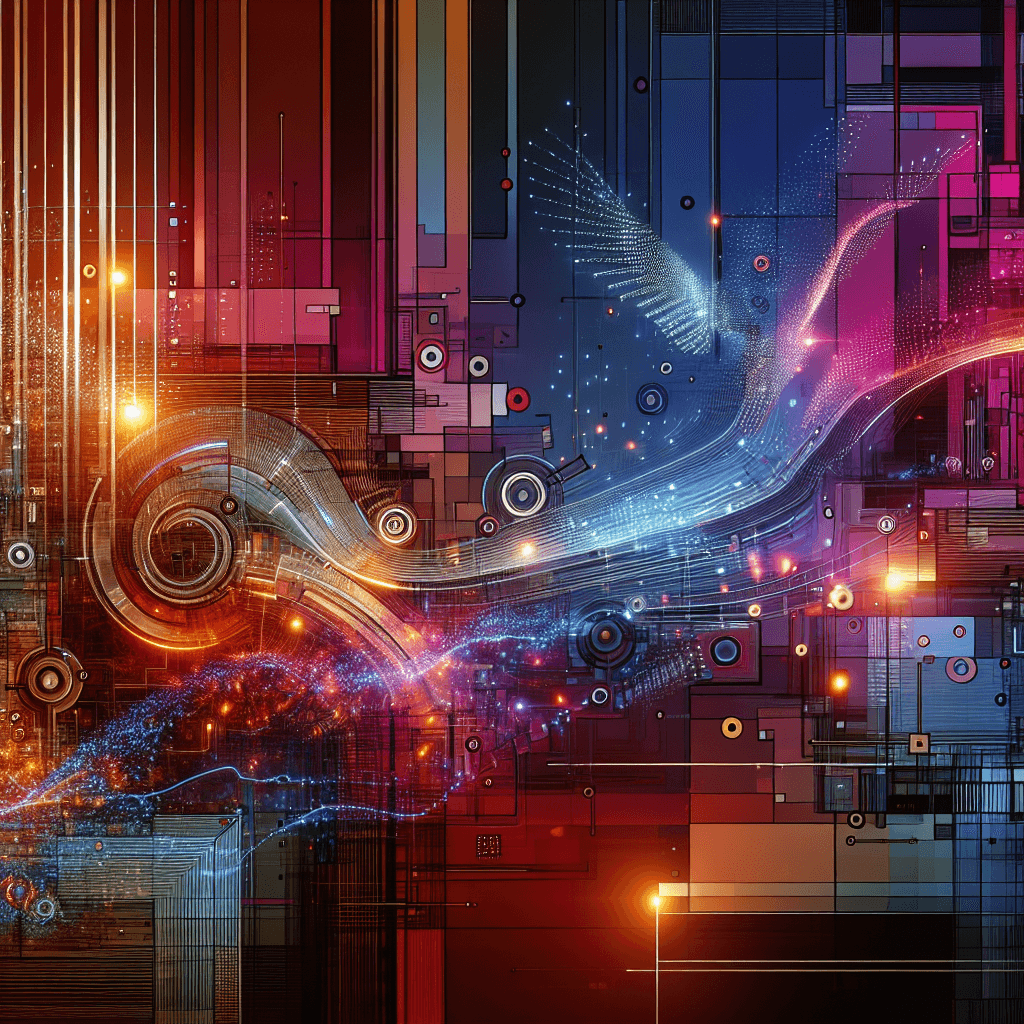
Anadol's central argument centers on the question of what occurs when machines acquire the capacity to generate art. He demonstrates this through his practice of feeding vast datasets into AI algorithms, which then output mesmerizing and dynamic visual experiences. These installations do not merely replicate human styles but actively reshape the boundaries of creativity by treating data itself as a raw material for artistic exploration. Key points include the transformation of raw information into living artworks and the resulting redefinition of what human creativity can encompass when paired with computational intelligence.
Connection to Generative AI and Human Creativity
This perspective ties directly to the trending topic of how generative AI is transforming human creativity. Anadol's installations serve as concrete examples of AI algorithms converting data into immersive forms, illustrating the shift from traditional tools to machine-assisted generation. The talk gains particular relevance today because it captures the ongoing AI revolution in artistic fields, where human-machine collaboration is moving from theoretical possibility to practical reality in studios and galleries worldwide.
Implications for Artistic Practice
After engaging with Anadol's message, an artist or creator might begin treating datasets as primary sources for inspiration rather than relying solely on personal sketches or physical media. They could experiment with training models on their own archives to produce evolving installations, thereby expanding traditional expression while remaining mindful of how such tools might also constrain originality if over-relied upon. This approach encourages deliberate integration of AI as a collaborative partner instead of a replacement, prompting ongoing reflection on the balance between algorithmic output and human intent.