How computers are learning to be creative
by Blaise Agüera y Arcas · how generative ai is transforming human creativity
- AI
- creativity
- art
- machine learning
- technology
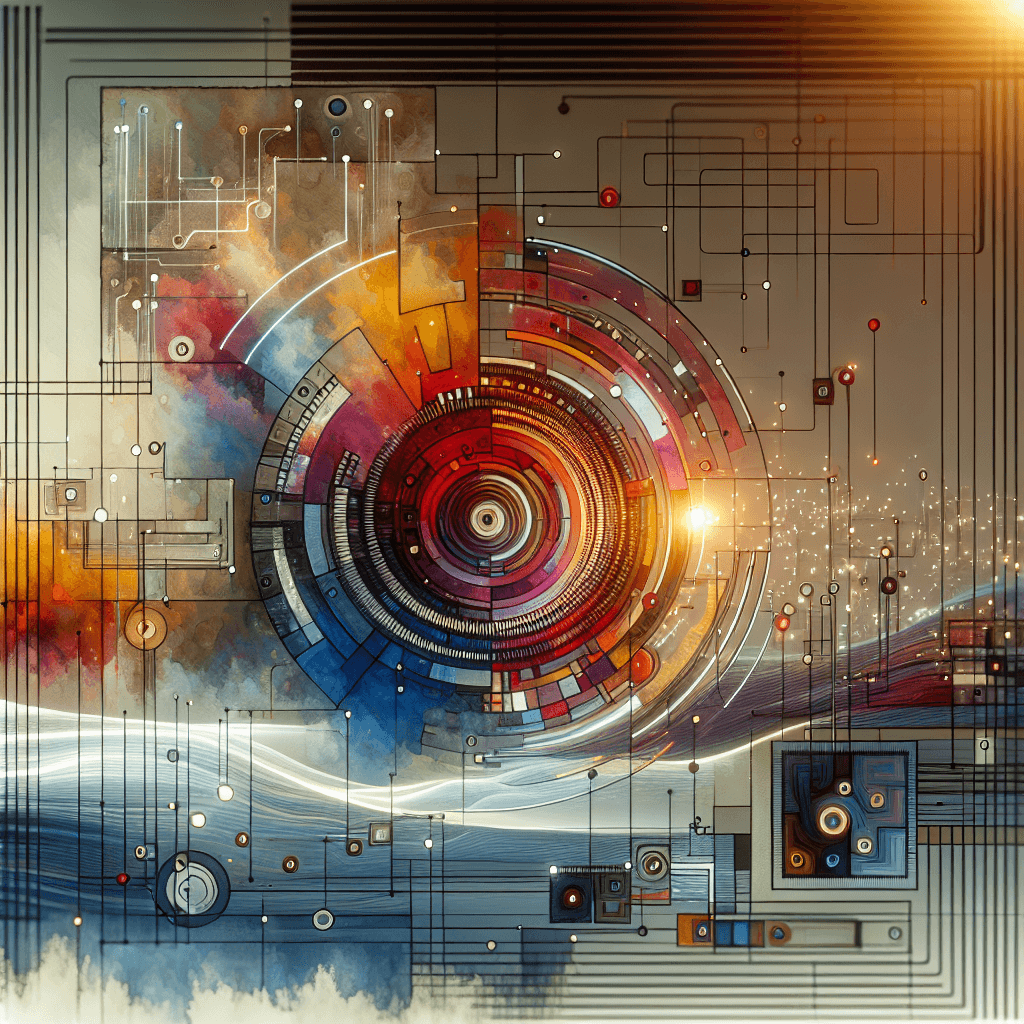
Many assume generative AI merely copies human styles, yet the real surprise is that neural networks might be pioneering entirely new forms of imagery that humans could not conceive alone.
The Speaker's Core Argument
Blaise Agüera y Arcas's talk positions computers at the frontier of creativity itself. He demonstrates imagery generated by neural networks that marks a shift away from purely human artistic production. This directly engages the central question of how generative AI could redraw the lines of originality by showing machine-created works as evidence of an emerging non-human creative domain.
How the Argument Addresses the Tension
Agüera y Arcas's presentation confirms the opening surprise rather than upending it. His demos illustrate machine-augmented imagination at work, aligning with the idea that AI expands creative possibilities through collaboration instead of mere replication. The talk frames these neural networks as active participants in art-making, supporting the notion that originality may no longer be an exclusively human trait.
Nuances and Qualifications
The speaker rightly highlights the astonishing outputs of neural networks and their potential to transform artistic practice. At the same time, his emphasis on a new frontier would benefit from added context on how such systems depend on human-curated training data and collaborative workflows to function. Without that qualification, the vision risks overstating autonomy while underplaying the hybrid nature of these creative processes.
Synthesizing a Takeaway
Agüera y Arcas's insights on neural-network imagery combine with the broader topic to suggest that generative AI redefines originality not by displacing humans but by enabling new partnerships that stretch imaginative boundaries. This points toward a future where creativity is understood as a shared endeavor between people and machines.