The circular economy: redesigning the future
by Ellen MacArthur · building climate-resilient supply chains for the next decade
- climate
- sustainability
- business
Loops Against the Storm: MacArthur's Blueprint for Resilient Chains
Global supply chains face mounting pressure as climate disruptions intensify, from extreme weather halting shipments to resource scarcity driving volatility. Companies reliant on linear take-make-dispose models now confront cascading risks that threaten operations and costs over the coming decade.
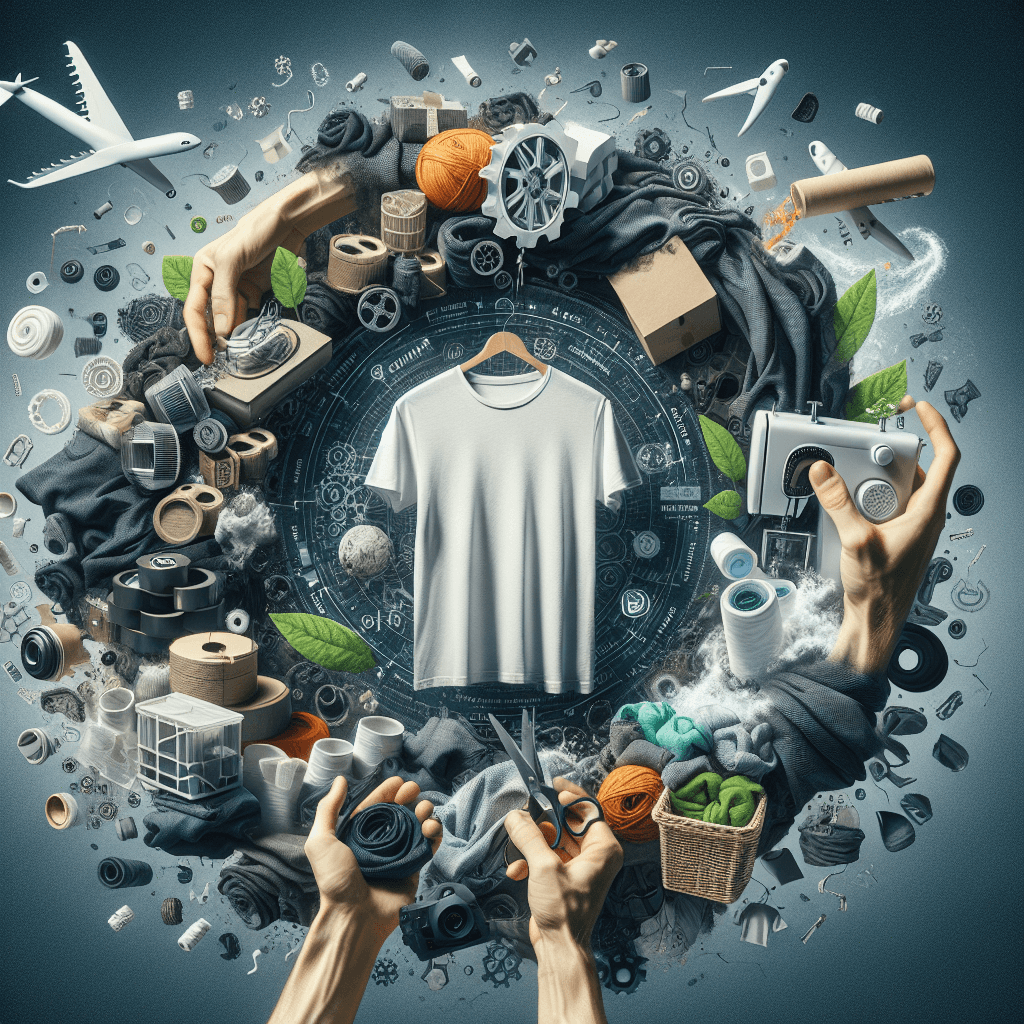
Ellen MacArthur's talk, "The circular economy: redesigning the future," offers a direct lens on this challenge. Her core thesis centers on redesigning systems through the circular economy to build resilience against climate disruptions in global supply chains, specifically by advocating reduced waste, material reuse, and closed-loop models.
Reframing Risk Through Closed Loops
MacArthur's ideas reinforce the trending conversation by linking circular strategies explicitly to climate adaptation. Reduced waste and material reuse cut emissions while buffering against resource volatility, turning potential disruptions into opportunities for stable flows. This reframes traditional resilience tactics—often focused on diversification or stockpiling—as incomplete without systemic redesign.
- Circular models shift supply chains from fragile linearity to self-reinforcing cycles that absorb shocks.
- Closed loops directly address the emissions and scarcity issues amplifying climate risks.
These approaches complicate existing business practices by demanding upfront redesign rather than incremental fixes, yet they align precisely with the need for decade-long resilience.
A Question of Action
How will your organization begin closing material loops to mitigate climate risks in its supply chains this year?