How computers are learning to be creative
by Blaise Agüera y Arcas · how ai will transform human creativity
- AI
- creativity
- art
- machine learning
- technology
What if the images flowing from your own imagination could be sparked or expanded by a machine that has never lived a single human experience—would that feel like collaboration or competition? This question sits at the heart of how artists today might relate to emerging technologies that generate visual work.
Speaker's Core Claim
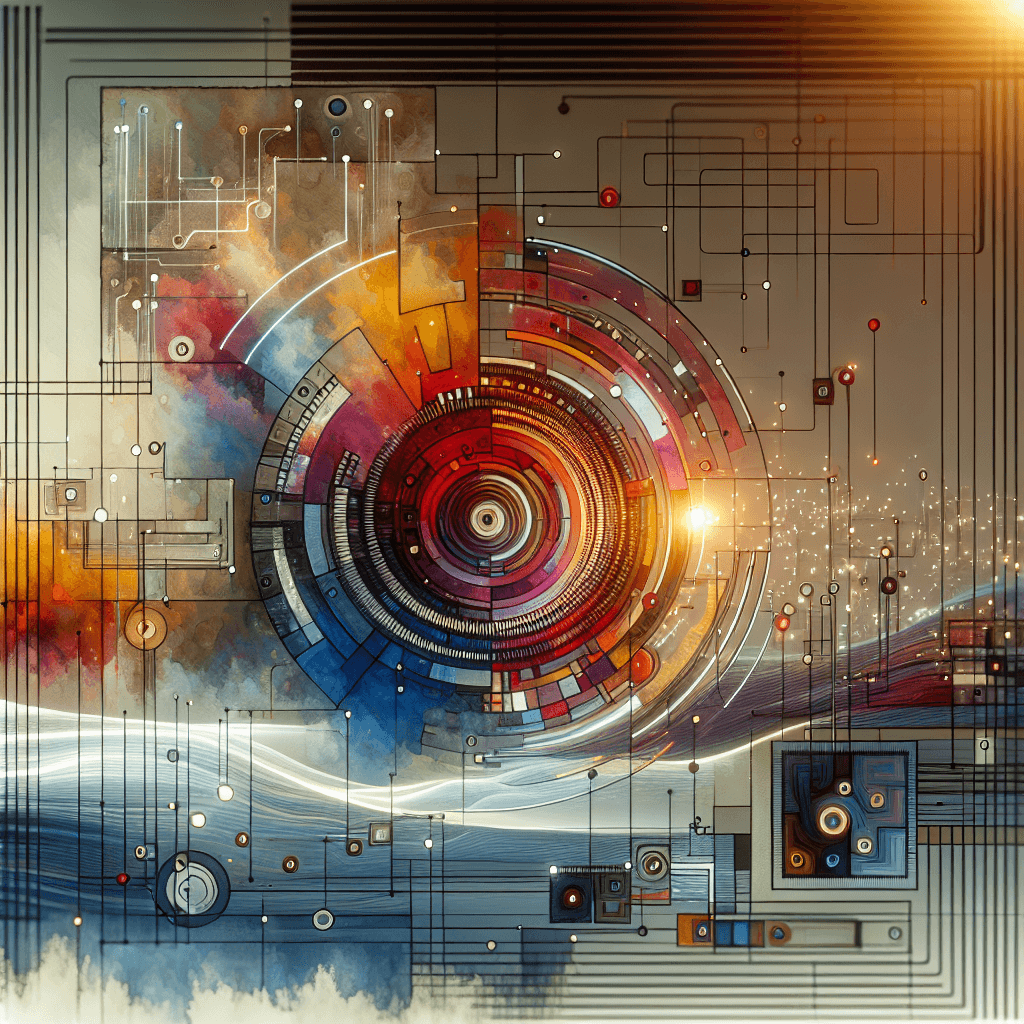
Blaise Agüera y Arcas presents neural networks as systems that are learning to be creative. He supports this by demonstrating new and astonishing imagery produced directly by these networks, positioning the development as the edge of a frontier in art and creativity that is explicitly not human. The reasoning rests on the observable output: the networks generate visuals that qualify as artistic innovation, thereby illustrating computers crossing into creative territory previously assumed to belong only to people.
Connection to Transforming Human Creativity
The talk's evidence of machine-generated imagery intersects with the broader topic by showing AI already participating in artistic production rather than merely assisting with tools. This challenges the notion of creativity as an exclusively human domain and opens the possibility that such systems could feed into human workflows. Instead of standing apart, the neural outputs become raw material that artists might remix, extend, or respond to, turning the technology into an additional source of inspiration within existing creative processes.
Pathways for Augmentation
By displaying imagery that arises without human lived experience, the demonstration suggests augmentation occurs when artists treat these outputs as prompts or starting points. A painter could incorporate unexpected forms or color relationships generated by the network into a larger composition, using the machine result to break habitual patterns. The non-human origin supplies novelty that a human creator then filters through personal intent, skill, and context, preserving the artist's central role while expanding the range of available choices.
Lingering Tension
The forward-looking implication is that the boundary between human and machine creativity may continue to blur, raising the unresolved question of whether artists will increasingly define their own work in dialogue with these non-human contributions or whether the distinction itself will lose practical meaning over time.